Edge AI and Cloud AI Serve Different Signal Jobs
Edge AI and cloud AI both help process signals, but they solve different parts of the problem. Edge AI runs close to the device, sensor, machine, vehicle, or gateway where signals are created. Cloud AI runs in centralized infrastructure with more storage, computing power, and cross-site visibility. The better choice depends on latency, bandwidth, privacy, cost, model size, reliability, and how much context the decision needs. Many strong signal systems use both layers rather than treating edge and cloud as rivals.
Edge AI Is Close to the Source
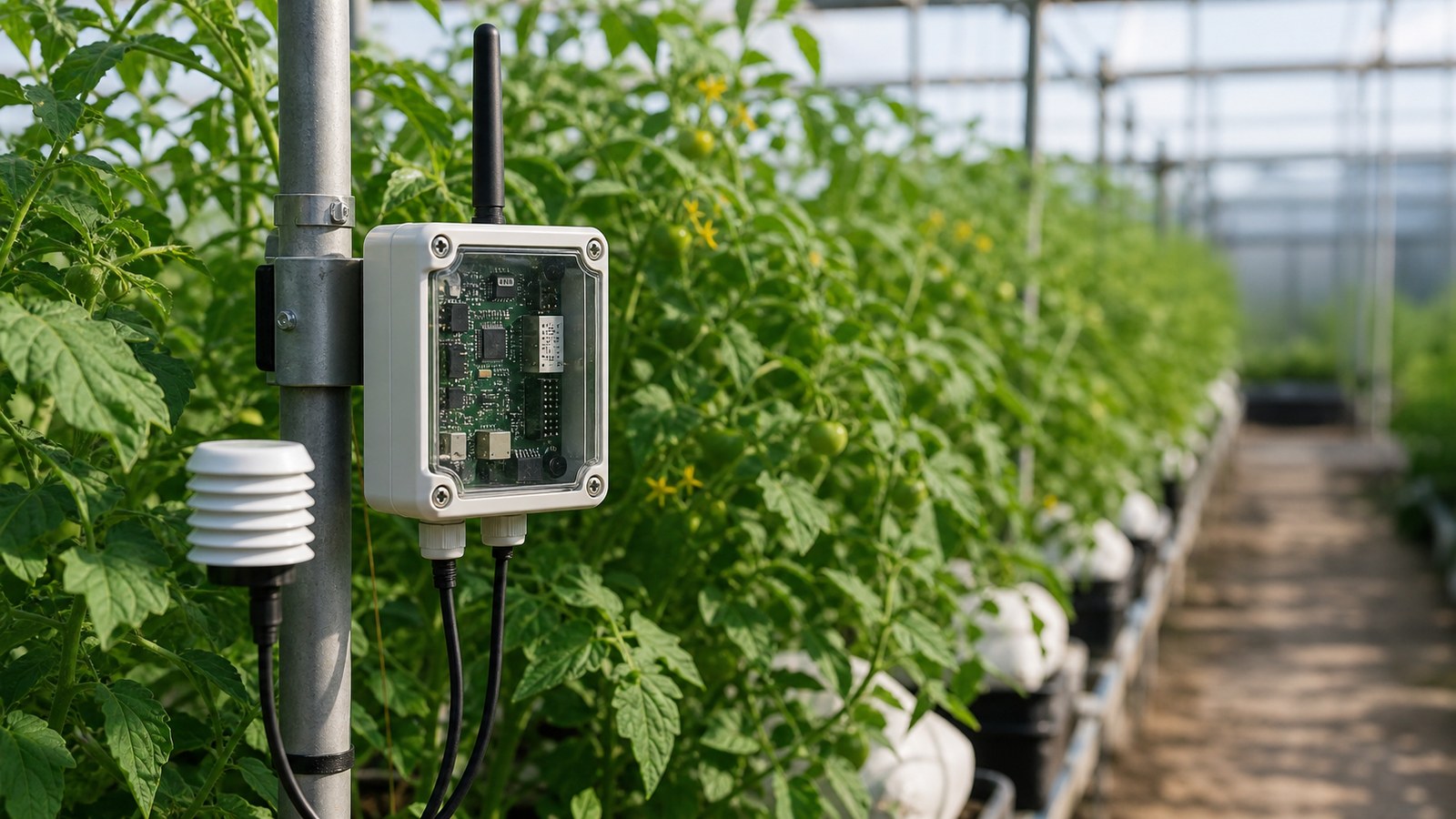
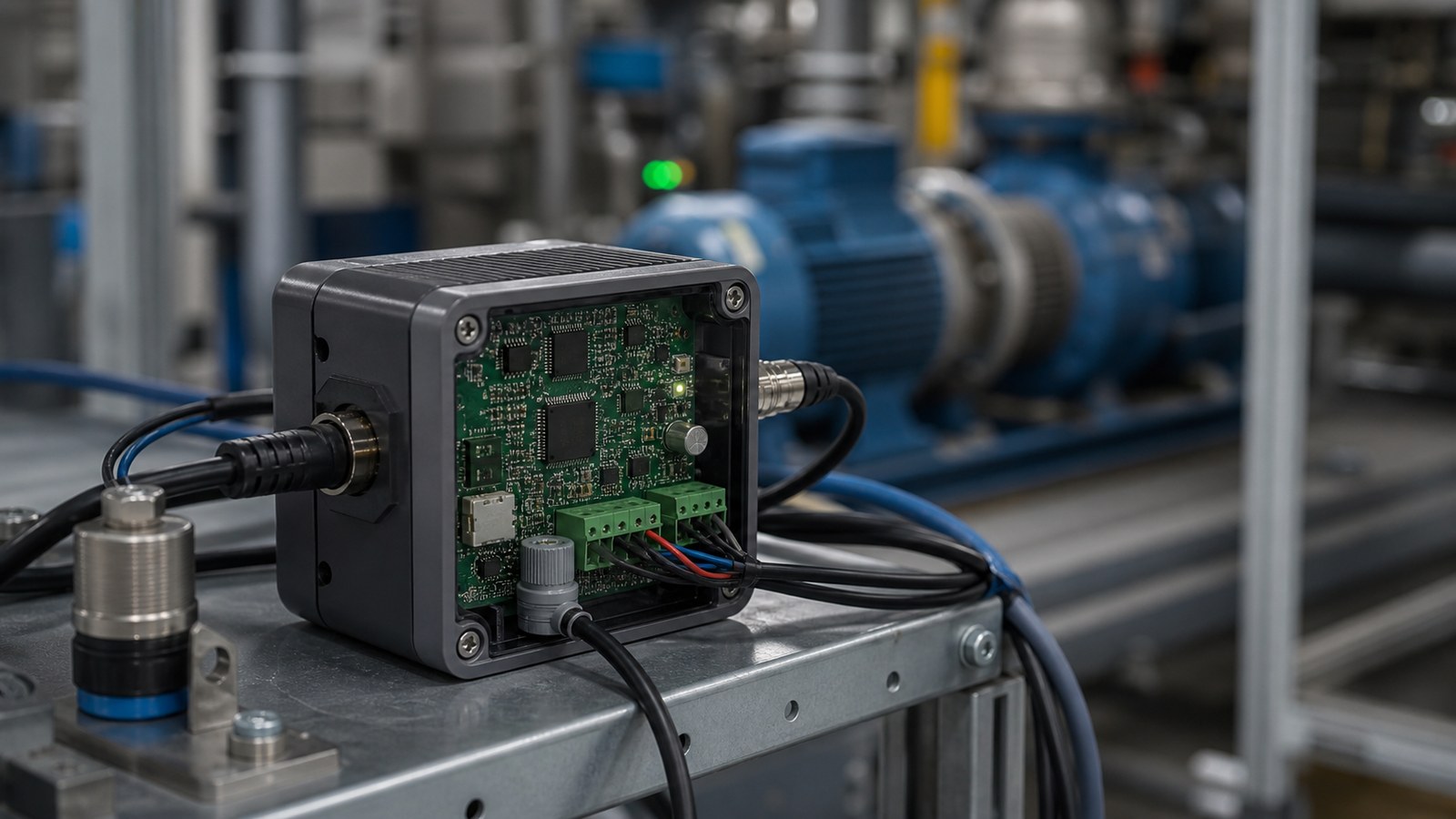
Edge AI processes signals near the place they are created. A camera, sensor gateway, phone, vehicle, router, or industrial controller can analyze data before it travels to a remote server.
This closeness helps when decisions need to happen quickly. A safety alert, collision warning, machine shutoff, or local quality check may need a response before cloud processing can return.
Edge processing can also reduce network load by sending summaries, alerts, or selected features instead of every raw signal.
Cloud AI Is Built for Scale
Cloud AI is strong when a task needs large storage, heavy computing, fleet-wide comparison, training data from many sources, or centralized dashboards. It can find patterns that one device cannot see alone.
The cloud is also easier to update centrally. Teams can improve a model, compare sites, store history, and connect results to business systems from one place.
The tradeoff is dependence on connectivity. If the network is slow, expensive, or unavailable, cloud-only processing may arrive too late or not at all.
Latency Often Decides the Layer
Latency is the delay between signal capture and useful response. If the decision window is very short, edge AI usually has an advantage. If the decision can wait, cloud AI may provide richer analysis.
A live robot, vehicle, or audio filter needs fast local processing. A weekly quality report, model retraining job, or long-term trend analysis can happen in the cloud.
Many systems split the task. The edge handles immediate response, while the cloud handles deeper review and future learning.
Bandwidth Changes the Cost
Raw signal data can be large. Video, audio, radar, high-frequency sensors, and network logs can overwhelm connections if everything is sent to the cloud continuously.
Edge AI can filter and compress that stream. It may send only events, summaries, selected clips, or features. This reduces bandwidth cost and keeps important data moving during busy periods.
Cloud AI still needs enough data to learn. The design should decide which raw signals are worth keeping, which can be summarized, and which can stay local.
Privacy Can Favor the Edge
Some signals are sensitive. Video, voice, location, health readings, behavior patterns, and industrial records may not need to leave the local environment in raw form.
Edge AI can analyze sensitive data locally and send only a result or alert. This does not solve privacy by itself, but it can reduce exposure when designed well.
Privacy still requires encryption, access control, retention rules, update policies, and clear purpose. Edge processing is a tool, not a complete privacy plan.
Cloud AI Helps Models Improve
Training large models usually fits the cloud better than the edge. The cloud can collect examples from many sites, run heavier experiments, compare versions, and store long histories.
After training, smaller versions of the model may be deployed back to edge devices. This creates a loop where the cloud learns broadly and the edge acts locally.
That loop is powerful when managed carefully. Teams need version control, rollout plans, and monitoring so edge devices do not drift into inconsistent behavior.
Reliability Depends on Failure Plans
Edge systems can keep operating during network outages, but edge hardware can fail, lose power, or miss updates. Cloud systems can be highly reliable, but they still need a working connection from the site.
A strong architecture defines what happens when either layer fails. Does the edge keep acting? Does it enter a safe mode? Does the cloud flag the missing device? These questions should be answered before deployment.
Reliability is not only uptime. It is predictable behavior during trouble.
The Best Choice Is Often Hybrid
Many signal systems use edge AI and cloud AI together. The edge handles urgent, local, privacy-sensitive, or bandwidth-heavy work. The cloud handles storage, training, cross-site comparison, reporting, and long-term learning.
A factory may detect machine anomalies locally and send summaries to the cloud. A camera may identify a safety event on device while the cloud reviews trends across locations. A network gateway may classify traffic locally while central systems compare fleet behavior.
Hybrid design works best when responsibilities are clear. Each layer should have a reason to exist.
Final Takeaway
Edge AI is better when signals need fast local response, privacy control, or bandwidth reduction. Cloud AI is better when signals need large-scale learning, history, coordination, and heavier computing.
The strongest answer is often not edge or cloud. It is a division of labor that matches the timing, cost, privacy, and reliability needs of the signal decision.
A good architecture makes that division visible, measurable, and easy to improve over time.
What to Check Next
Before choosing edge or cloud AI, teams should map the decision path. The map should show what needs to happen locally, what can wait, and what needs shared history.
They should compare cost across hardware, bandwidth, storage, updates, security, and maintenance. The cheapest layer for one task may be the expensive choice for another.
The review should also list the signals that are too sensitive, too large, or too urgent to move in raw form. Those signals often define where the edge layer has real value.
Finally, teams should ask which decisions need fleet-wide context. Those decisions usually belong in the cloud or in a hybrid loop.
Deployment Notes
Deployment should define failure behavior. If the network drops, local systems need a safe plan. If an edge device fails, central systems need to notice.
Model updates need a controlled path from cloud training to edge release. Each version should be traceable so teams can compare outcomes and roll back if needed.
Dashboards should separate local health from cloud health. A slow central report is a different problem from a device that has stopped processing signals.
Security work should cover both layers. The cloud needs strong identity and logging, while the edge needs update discipline and physical protection.
Final Review
The final review asks whether each layer has a clear job. If the answer is vague, the architecture may be more complex than necessary.
It should also ask whether users can tell where a decision came from. Local alerts, cloud recommendations, and hybrid outputs should not blur together.
A strong design keeps urgent action close to the signal and deeper learning close to the data history. That division makes the system easier to operate.
When the design is reviewed this way, edge and cloud AI become cooperating layers instead of competing buzzwords.
Practical Tradeoffs
The edge-cloud choice should also consider staffing. Edge fleets may require local device management, while cloud systems may require stronger central platform skills. The technology choice changes the support model.
Data retention is another tradeoff. Edge systems may keep less raw data, while cloud systems can store more history for later analysis. The right answer depends on privacy, audit needs, and model improvement plans.
Security looks different at each layer. Edge devices need physical protection and update discipline. Cloud systems need identity controls, logging, network security, and vendor review.
Performance testing should include normal and difficult conditions. A model may run well in the cloud but struggle on edge hardware, or run quickly at the edge but lack enough context.
The best architecture is the one the organization can operate reliably, not just the one that looks strongest in a diagram.
Operational Review
An operational review should ask whether the edge and cloud layers are both earning their keep. If a layer adds cost without improving timing, privacy, learning, or reliability, the design may need simplification.
Teams can review data movement first. Which signals stay local, which summaries move to the cloud, and which raw records are stored? That map often reveals unnecessary transfer or missing context.
They should also review model updates. Edge models need a clear process for rollout, version tracking, failed update recovery, and comparison with previous behavior.
The cloud layer needs its own review. Storage growth, dashboard use, training data quality, and cross-site analysis should be measured so the cloud does not become a dumping ground.
Hybrid systems work best when each layer has visible health checks. Users should know whether local devices are online, whether cloud processing is current, and whether alerts are delayed.
The operating model should also define ownership. Local teams may own devices, central teams may own models, and security teams may own access rules. Those responsibilities need to be explicit.
The final review asks whether the architecture still matches the signal decision. As devices, costs, and workflows change, the edge-cloud balance may need to change too.
Decision Quality
Decision quality improves when edge and cloud responsibilities are separated by need rather than trend. A task belongs at the edge when local speed, privacy, or connection resilience matters most.
A task belongs in the cloud when history, scale, heavy computation, or cross-site comparison matters most. A task may belong in both when local action and central learning support each other.
Teams can use a simple matrix: timing, data volume, privacy, compute demand, reliability, and model update frequency. Each factor points toward edge, cloud, or hybrid design.
The decision should also consider users. A local operator may need fast visible alerts, while a central analyst may need longer trends and comparisons across sites.
Good architecture serves both without confusing them. The local layer should not hide important evidence, and the cloud layer should not slow urgent action.
Decision quality also depends on feedback loops. Edge outcomes should teach the cloud, and cloud learning should improve the edge without breaking local reliability.
When the loop works, the system becomes stronger over time. When it is poorly governed, model versions, data definitions, and alerts can drift apart.
The best edge-cloud design is not the most complex. It is the one that keeps each decision at the layer where it can be made best.
Final Notes
A final edge-cloud review should include future growth. A system that works for ten devices may need different management when it grows to thousands.
The review should also include compliance and audit needs. Some industries require records that local-only systems may not preserve unless the architecture is designed for it.
Teams should plan how old models are retired. Edge devices running outdated models can create inconsistent results and security concerns.
Cloud systems need similar cleanup. Old datasets, stale dashboards, and unused pipelines can increase cost and confusion.
Cost review should look beyond monthly cloud bills. Device replacement, support visits, network upgrades, monitoring tools, and staff training can change the real economics of the design.
User experience belongs in the review as well. If local alerts are too noisy or cloud dashboards are too slow, the architecture may be technically correct but operationally frustrating.
When teams manage the full lifecycle, edge and cloud AI remain useful after launch instead of becoming technical debt.
The final standard is practical: the architecture should make signal decisions faster, clearer, safer, or easier to improve. If it does not, it should be simplified.