Edge and Cloud Signal Platforms Solve Different Timing Problems
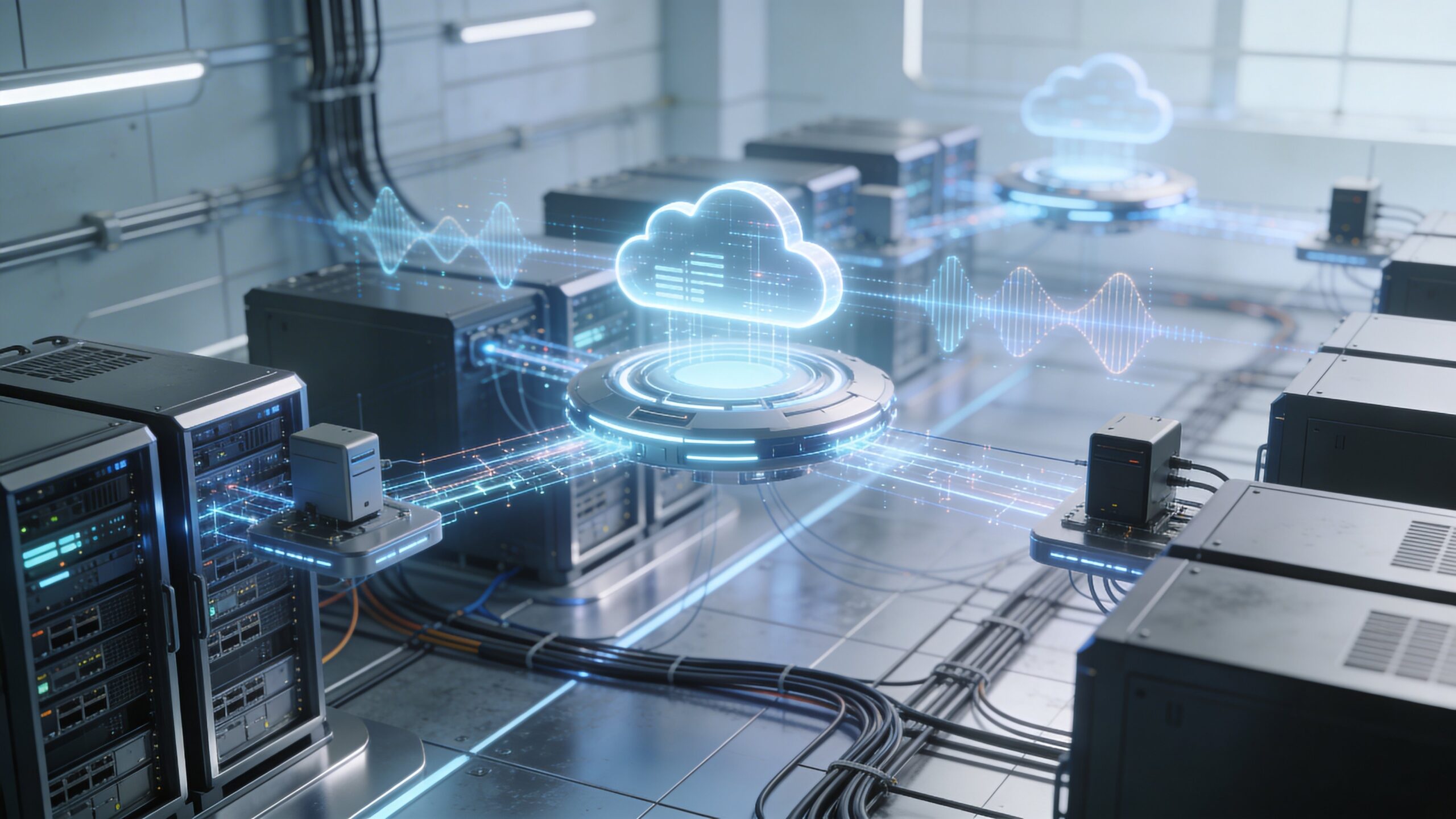
Edge and cloud signal platforms both help process data from devices, sensors, networks, and applications, but they serve different needs. Edge platforms process signals closer to where they are created, which can reduce latency, save bandwidth, and keep some decisions local. Cloud platforms provide large-scale storage, powerful computing, centralized analytics, and easier coordination across many sites. The best choice depends on timing, cost, privacy, reliability, model complexity, and how much information needs to be shared across the system.
The Edge Is Close to the Signal
An edge platform runs processing near the device, machine, camera, tower, gateway, vehicle, building, or factory floor where data is created. Instead of sending every raw reading to a distant data center, the edge system can filter, summarize, classify, or respond locally.
This local processing is valuable when time matters. A robot avoiding a collision, a camera detecting a safety issue, or a machine controller responding to vibration cannot always wait for a cloud round trip. The edge can act while the event is still happening.
Edge systems also reduce the amount of data that must travel over the network. Sending a meaningful event, trend, or alert may be cheaper and faster than sending every raw signal continuously.
The edge is especially useful when a signal loses value quickly. A safety event, machine fault, or navigation decision may need action before a cloud platform can receive, analyze, and return the result.
Local processing can also make systems feel smoother. A device that responds immediately builds confidence, while a device that waits on the network may feel unreliable even when the cloud analysis is accurate.
The Cloud Is Built for Scale
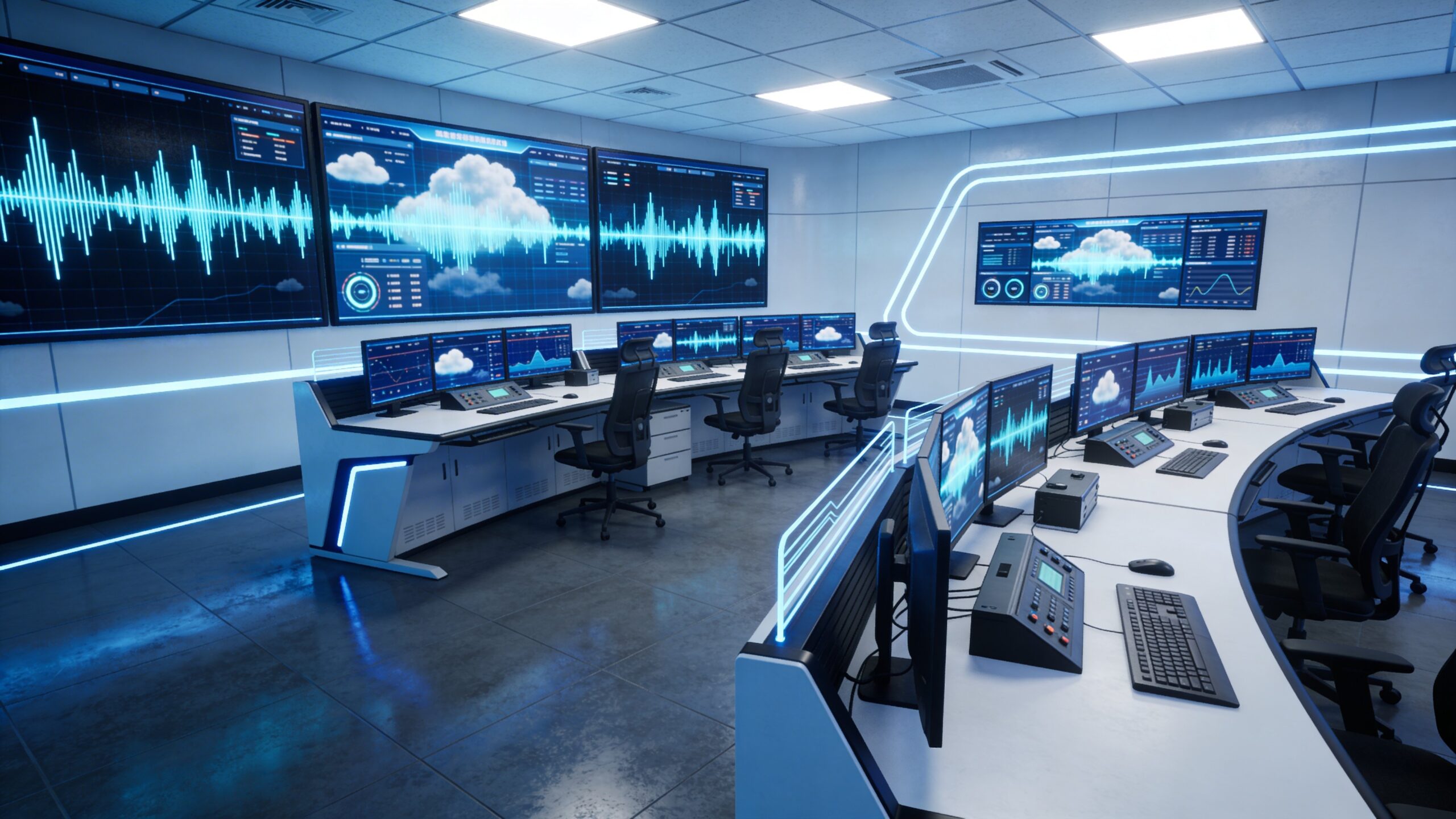
Cloud platforms are strong when the system needs storage, heavy computing, large model training, fleet-wide analytics, dashboards, backup, and coordination across many locations. They can gather signals from thousands or millions of devices and look for patterns that no single edge device can see.
The cloud is also easier to update and manage centrally. Teams can improve models, change dashboards, run reports, compare sites, and connect business systems without touching each device one by one. That central view is useful for planning and long-term analysis.
The tradeoff is distance. Cloud processing depends on connectivity, bandwidth, latency, and service availability. When the connection is weak or the decision is urgent, the cloud may be too far away for the first response.
Cloud scale is valuable when the question depends on comparison. A single store, factory, tower, or vehicle sees only its own signals. The cloud can compare many locations and discover patterns that local systems might miss.
This broader view also helps planning. Leaders can see which sites need maintenance, which models are drifting, which devices are offline, and where a process is improving or getting worse.
Latency Drives Many Choices
Latency is the delay between a signal event and the system’s response. Some tasks can tolerate seconds, minutes, or hours. Others need a response in milliseconds. The tighter the timing, the more attractive edge processing becomes.
A predictive maintenance report can often wait for cloud analysis. A safety shutoff, vehicle response, or live audio filter may need local action. A medical monitor may need both: an immediate local alert and a cloud record for later review.
Good architecture starts by sorting decisions by urgency. Not every signal needs edge processing, and not every signal belongs only in the cloud. Timing helps decide which layer should handle which part of the work.
Latency requirements are often mixed inside the same system. A camera may detect motion locally, send a summary to the cloud, and store selected clips only when the event matters. Each step has a different timing need.
Designers can use this split to avoid extremes. Not everything has to be local, and not everything has to be centralized. The best architecture assigns each task to the layer that can handle it responsibly.
Bandwidth and Cost Matter
Raw signal data can be large. Video streams, high-frequency sensor readings, audio, radar, logs, and industrial measurements may create more data than a network can afford to move continuously. Edge processing can reduce that burden.
The edge can compress, filter, sample, detect events, or send only exceptions. This saves bandwidth and may lower cloud storage costs. It can also keep networks from becoming overloaded during busy periods.
Cloud processing still matters for historical analysis and deeper comparison. The practical design often sends enough data for learning and oversight while keeping unnecessary raw volume close to the source.
Bandwidth savings also affect reliability. If a site has limited connectivity, sending less data can keep the most important alerts moving. Raw streams can be held locally, sampled, or uploaded later when the connection improves.
This matters in remote sites, vehicles, industrial facilities, and temporary deployments where network quality changes. Edge filtering can keep the system useful even when the pipe to the cloud is constrained.
Privacy Can Favor Local Processing
Some signals contain sensitive information. Video, voice, location, health readings, building occupancy, and behavior patterns may create privacy concerns if everything is sent to a central platform. Edge processing can limit what leaves the local environment.
For example, a camera might detect an event locally and send a count or alert instead of full video. A device might analyze a signal on site and upload only a summary. This can reduce exposure when the raw data is not needed elsewhere.
Local processing does not solve privacy by itself. Devices still need access control, encryption, retention rules, update policies, and clear purpose. The edge can help, but it must be part of a broader data protection plan.
Privacy-sensitive systems still need careful design at the edge. A local device can reduce exposure, but it may also become a target if it stores sensitive data or runs outdated software.
Security updates, physical protection, identity controls, and encryption remain important. Local processing changes the risk pattern; it does not remove risk entirely.
Reliability Depends on Failure Modes
Cloud systems can offer strong uptime, backups, and professional operations, but they still depend on network access from the device or site. If the link fails, a cloud-only system may lose visibility or control at the worst moment.
Edge systems can keep working locally during outages, which is useful for safety, industrial control, transportation, and remote locations. The tradeoff is that edge devices may be harder to monitor, patch, or replace across a large fleet.
A resilient design asks what should happen when the network drops, the cloud service slows, the edge device fails, or the sensor sends bad data. The answer often leads to a hybrid architecture with local fallback and central oversight.
Failure planning should be explicit. If the cloud is unreachable, does the edge keep acting, store data, enter a safer mode, or stop? If the edge fails, does the cloud notice quickly enough to alert a person?
Those questions prevent hidden dependencies. A system that looks resilient on a diagram may still fail if no one has defined what each layer does during trouble.
Models Belong Where They Fit
Some AI models are small enough to run on edge devices. Others need cloud GPUs, large memory, or access to huge historical datasets. The right placement depends on model size, power limits, update frequency, response time, and the cost of mistakes.
An edge model might detect a simple pattern quickly, while the cloud trains a larger model using data from many sites. The improved model can then be compressed or updated for edge deployment. This creates a loop between local action and central learning.
Model placement should not be driven only by excitement around edge AI or cloud AI. It should follow the task. Put fast, local, privacy-sensitive decisions near the signal, and put heavy analysis, training, and cross-site comparison where scale is available.
Model placement can also change over time. A team might start with cloud analysis, then move a smaller model to the edge after learning which patterns matter. Or it may bring edge summaries back to the cloud for retraining.
That movement is healthy when it is deliberate. The architecture can evolve as devices improve, models shrink, network costs change, and users learn which decisions truly need local action.
The Practical Takeaway
Edge and cloud signal platforms are not enemies. The edge is strong for low-latency response, local filtering, bandwidth control, privacy-sensitive processing, and resilience during outages. The cloud is strong for scale, storage, training, dashboards, coordination, and long-term analysis.
Most serious systems use both. A factory, hospital, network operator, vehicle fleet, or smart building may process urgent signals locally and send summaries, trends, or selected data to the cloud for broader insight.
The best architecture starts with the decision. How fast must the response be? How much data is created? What must stay private? What needs central comparison? Those questions reveal whether the signal belongs at the edge, in the cloud, or across both layers.
A hybrid platform often gives the strongest result. The edge handles immediate awareness, while the cloud handles memory, scale, and learning across the fleet. Each layer makes the other more useful.
The best tradeoff is visible to users. They get fast local response when it matters and broader insight when the system needs history, comparison, or deeper analysis.
How to Judge the Tradeoff
A practical platform decision starts with a map of the workflow. Which signal needs immediate action? Which signal needs long-term storage? Which signal is sensitive? Which signal becomes useful only when compared across many locations? Those answers point to edge, cloud, or both.
Cost should include more than compute price. Edge systems may need hardware, installation, local maintenance, updates, and physical security. Cloud systems may create storage, transfer, processing, and subscription costs. The cheaper option depends on the full operating pattern.
Governance also changes by layer. A cloud platform can centralize access rules and logs, while edge devices may sit in many places with different owners or conditions. Teams need a plan for who can update, inspect, and retire each part.
Performance testing should use real signal conditions. A platform that works with clean sample data may struggle with noisy sensors, network drops, temperature changes, crowded wireless channels, or device wear. The test should match the environment.
The best edge-cloud systems also define what happens to old data. Some raw signals may be deleted quickly, while summaries or events are kept for learning. Clear retention rules protect privacy and keep storage from becoming a hidden problem.
In the end, the strongest tradeoff is rarely all edge or all cloud. It is a clear division of labor: local systems respond quickly, central systems learn broadly, and users understand which layer is responsible for each decision.
That division also makes future upgrades easier. Teams can improve local models, cloud analytics, or network paths separately while keeping the overall signal workflow understandable.
When the layers are designed deliberately, edge and cloud stop competing and start acting like two parts of the same decision system.
That clarity helps teams troubleshoot later. If a result is late, incomplete, or wrong, they can see whether the issue began with the local device, the network path, the cloud model, or the handoff between them.
A good architecture makes those boundaries visible instead of hiding them behind a single dashboard.
That visibility keeps complex signal systems easier to govern, repair, and improve over time.