AI Combines Signal Types to Reduce Blind Spots
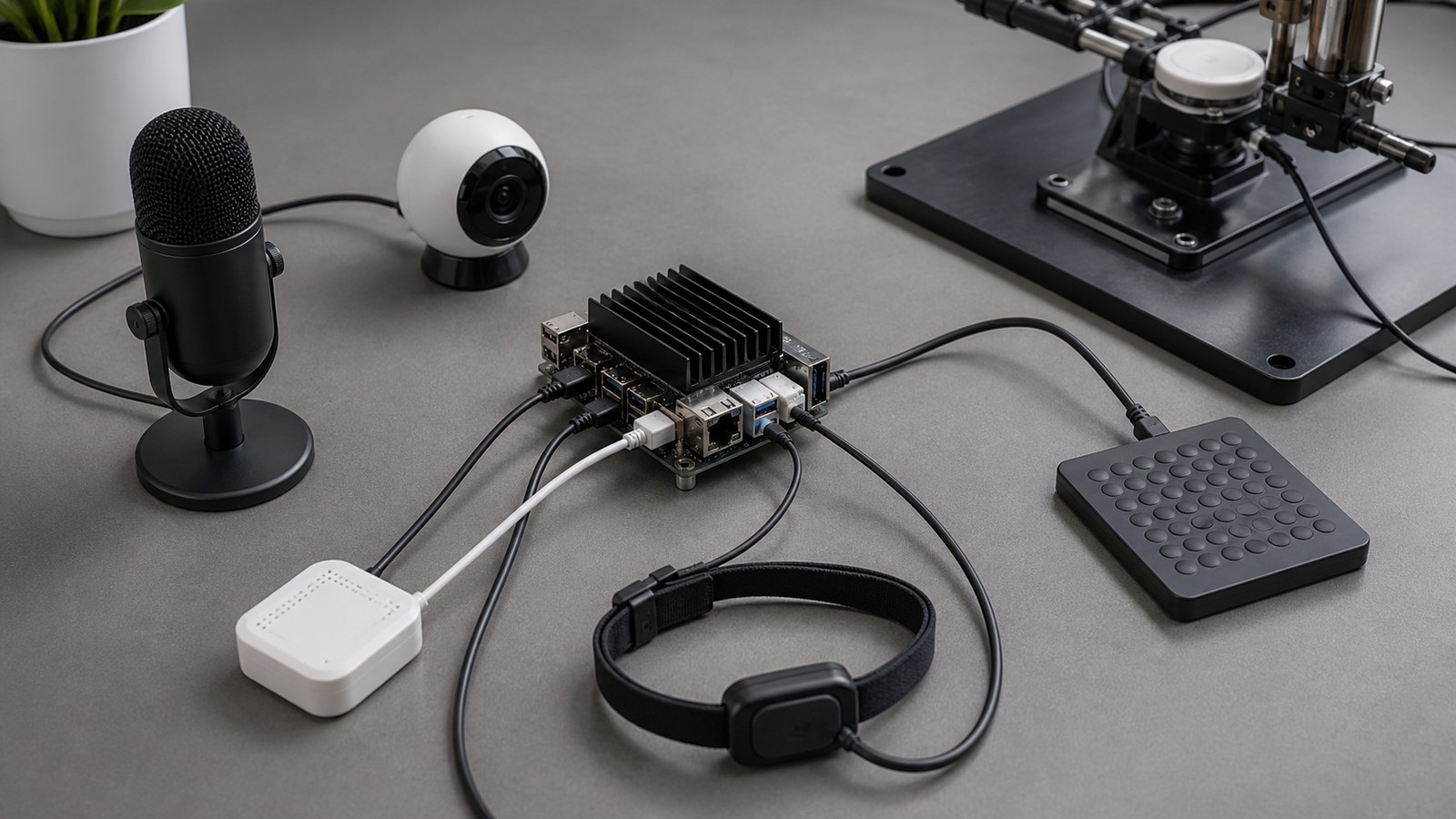
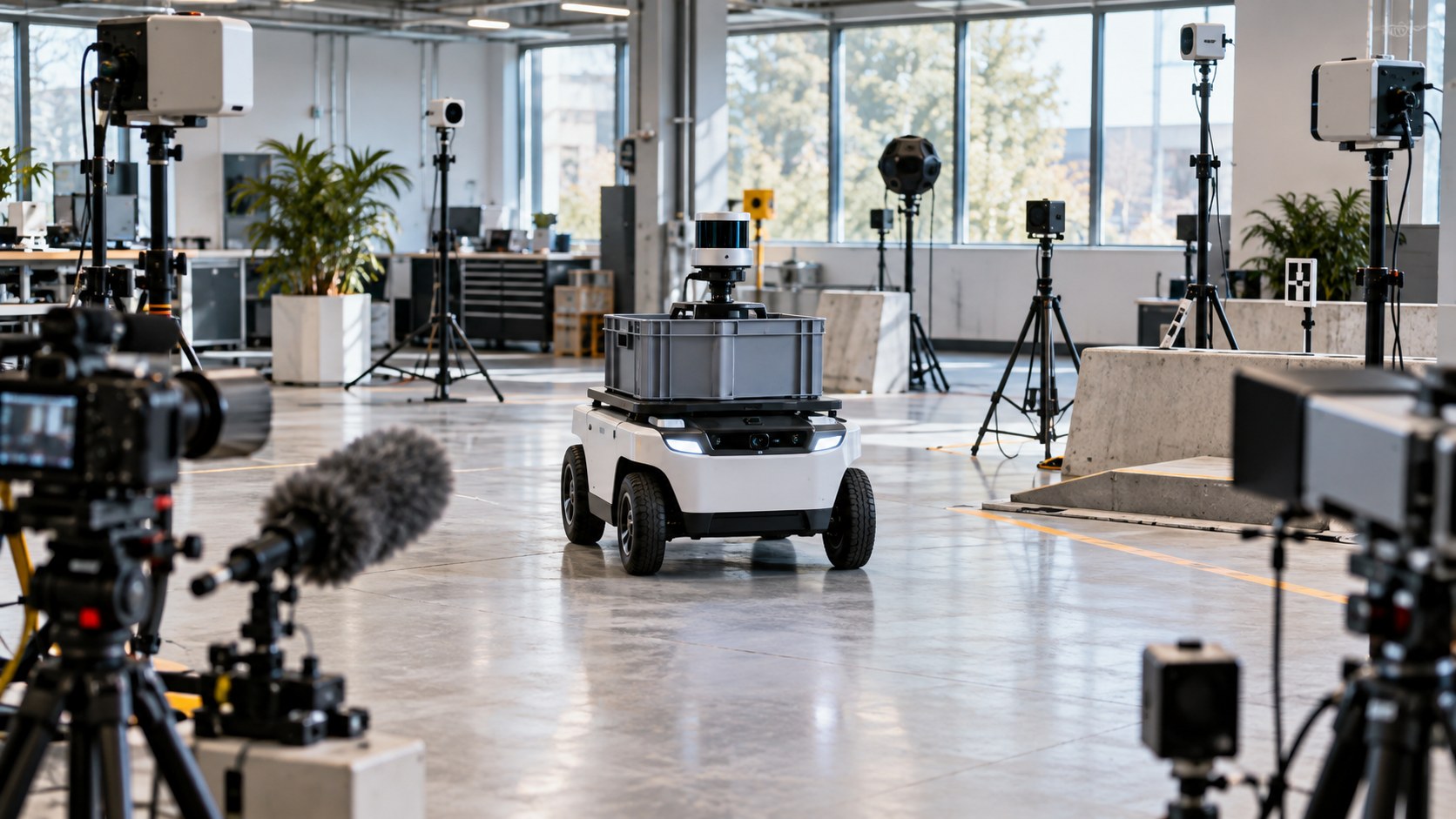
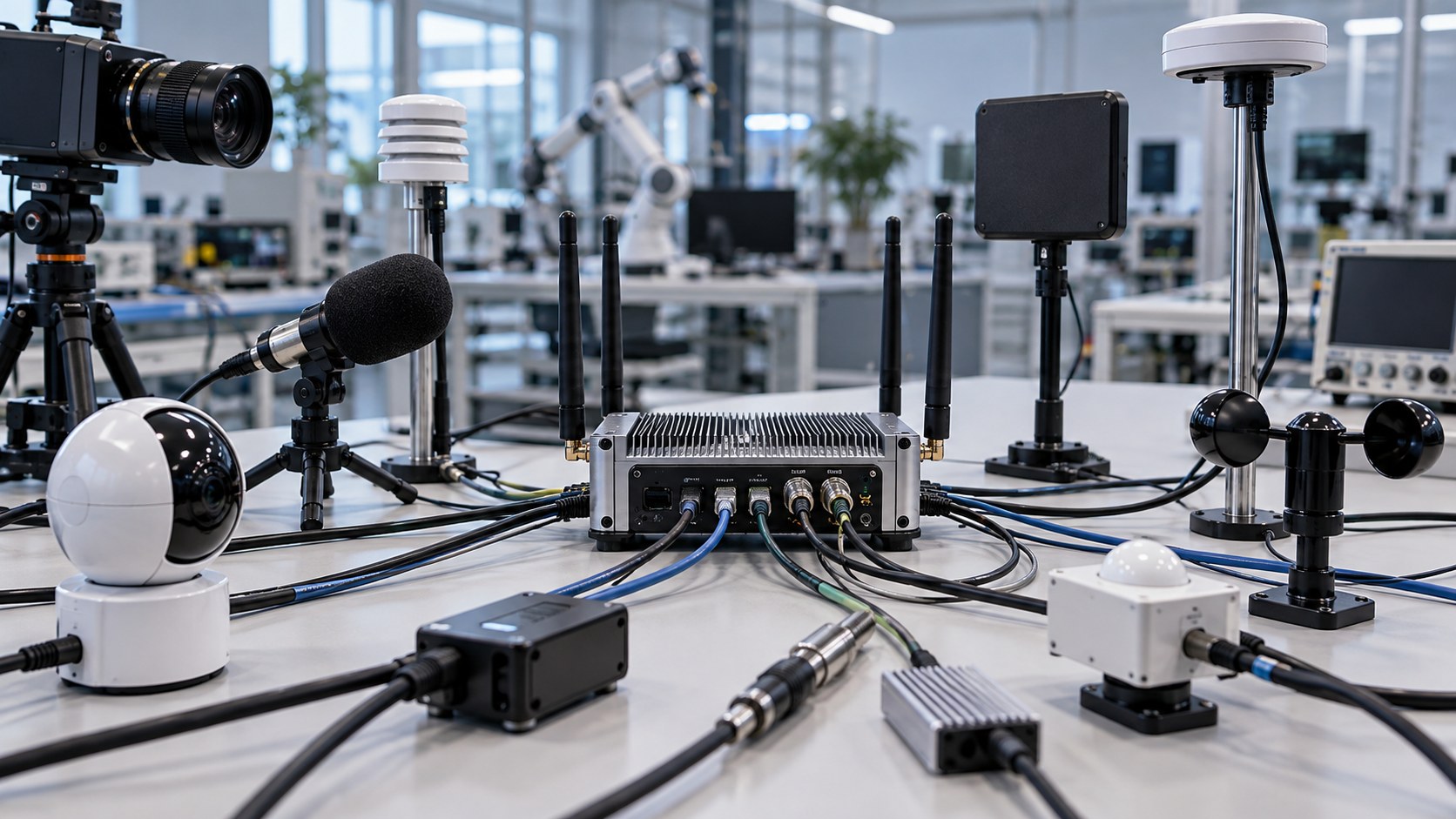
AI can combine audio, visual, wireless, sensor, and electrical signals to understand complex situations that one data stream cannot explain alone. Each signal type captures a different part of reality. Audio hears vibration or speech, visual data shows shape and motion, wireless readings reveal connection behavior, sensors measure physical conditions, and electrical signals expose system load or health. The best AI systems combine these sources carefully so the result is more accurate, more useful, and easier to trust.
Audio Adds Sound Evidence
Audio signals can reveal speech, alarms, machine noise, friction, vibration, or environmental events. A microphone may detect a sound pattern before a visual system sees the cause.
Audio is useful in maintenance, safety, accessibility, voice interfaces, and environmental monitoring. It can help identify a failing bearing, a broken fan, a spoken command, or an unusual acoustic event.
The weakness is noise. Background sound, distance, microphone quality, and room shape can all affect interpretation, so audio works best when paired with other evidence.
Audio also works well as an early warning source because many systems make sound before they visibly fail.
Visual Signals Add Spatial Context
Visual data shows location, shape, movement, object condition, and scene layout. A camera can help a model understand where something happened and what was visible when the signal changed.
Vision is useful for inspection, robotics, traffic, safety, medical imaging, and user interfaces. It can show cracks, gestures, posture, object presence, or motion direction.
Lighting, angle, glare, occlusion, and image quality can weaken visual signals. Combining vision with other modes helps prevent one poor image from driving the entire decision.
Visual evidence is strongest when it is paired with location and timing. A clear image without context may still be hard to interpret.
Wireless Signals Show Connection Behavior
Wireless signals reveal how devices connect, move, lose strength, change channels, or experience interference. These readings can help AI understand network quality and device behavior.
Wireless data is useful in Wi-Fi optimization, cellular planning, indoor positioning, IoT monitoring, and anomaly detection. It can show when a connection is weak, crowded, blocked, or behaving unusually.
Because wireless conditions shift with walls, weather, congestion, and distance, the model needs context. Pairing wireless readings with location, device data, or environmental signals improves interpretation.
Wireless behavior can also reveal hidden movement. A device that changes signal strength may be moving, blocked, or affected by new interference.
Physical Sensors Measure Conditions
Sensors can measure temperature, pressure, vibration, humidity, motion, light, flow, acceleration, and many other physical conditions. They provide direct evidence about the environment or machine state.
Sensor data is valuable because it can be continuous and precise. It helps AI detect trends, thresholds, cycles, and subtle changes that people may not notice in time.
Sensors still need calibration and maintenance. A drifting or poorly placed sensor can mislead the model, especially if no other signal checks the reading.
Physical sensors help ground the model in measurable conditions, which can reduce overreliance on visual or audio interpretation.
Electrical Signals Reveal System Load
Electrical signals can show voltage, current, phase, waveform shape, power quality, and device load. These readings are useful for motors, batteries, grids, electronics, and industrial systems.
Electrical patterns can reveal stress before a visible failure appears. A motor drawing unusual current may be overloaded, misaligned, or facing mechanical resistance.
These signals often require careful sampling and interpretation. Small changes may matter, but only when measured accurately and compared with the right operating context.
Electrical readings often explain why a device is stressed, not just that something looks wrong from the outside.
Fusion Creates a Stronger Picture
Signal fusion is the process of combining evidence from several sources. The model may combine raw signals, extracted features, confidence scores, or final decisions depending on the architecture.
Fusion is useful because signals can confirm each other. A visual sign of smoke, a heat sensor spike, and an alarm sound together create a stronger warning than any one cue alone.
Fusion can also reveal disagreement. If one signal says trouble and the others do not, the system can lower confidence or ask for review instead of acting too aggressively.
Fusion should be tested with disagreement cases. Those cases show whether the model can handle conflict without becoming overconfident.
Timing Keeps Evidence Honest
Signals need to refer to the same event. If the audio arrives late, the video frame is delayed, or the sensor reading is sampled at a different rate, the model may connect the wrong pieces.
Good systems use timestamps, buffering, synchronization, and event windows to keep signals aligned. This is especially important in robotics, safety, healthcare, and industrial monitoring.
Timing errors can look like intelligence when they are really data mistakes. Careful alignment protects the model from learning false relationships.
Timing also affects storage and processing. High-rate signals may need summaries so the system can stay responsive.
The Practical Takeaway
AI combines audio, visual, wireless, sensor, and electrical signals because each source sees something different. Together they can create a more complete view of a situation.
The benefit depends on quality, timing, context, and explanation. Combining weak or misaligned signals can create confusion instead of intelligence.
The strongest systems use each signal for what it does best, show uncertainty when evidence conflicts, and keep the final decision connected to real-world context.
A strong combined system should make each signal's role visible enough that users can understand the evidence.
How the Signals Work Together
A strong combined system gives each signal a role. Audio may detect the first clue, vision may show where it happened, sensors may measure the physical condition, wireless readings may show device behavior, and electrical signals may reveal system load.
Those roles can change by use case. In a smart building, wireless and environmental sensors may matter most. In a factory, vibration, current, heat, and audio may be stronger. In a vehicle, cameras, radar, motion, and electrical systems may work together.
The model should not treat every input as equally important all the time. It should learn when a signal is reliable, when it is missing, and when another source should carry more weight.
What Good Fusion Looks Like
Good fusion creates a result that is easier to trust than any single signal. If several independent signals point to the same conclusion, confidence can rise. If the signals disagree, the system can slow down, lower confidence, or request human review.
The best fusion systems also keep enough detail for review. A user should be able to see whether the decision came from audio, video, sensor patterns, wireless behavior, electrical readings, or a combination.
Fusion should also improve timing. A system that combines evidence too slowly may produce an accurate answer after the decision window has passed. The architecture needs to match the speed of the task.
Risks of Combining Too Much
Combining signals can create privacy concerns because the full picture may reveal more than any single stream. A camera image plus location plus device logs can become very sensitive. The system should collect only what the task requires.
Too many inputs can also make troubleshooting harder. If the model fails, teams need to know which source was wrong, late, missing, or misunderstood. Without that visibility, improvement becomes guesswork.
Complexity should earn its place. Every signal source should improve accuracy, reliability, context, speed, or explanation enough to justify the burden it adds.
Final Takeaway
AI combines audio, visual, wireless, sensor, and electrical signals because real-world situations are layered. Each source captures a different clue, and the combined view can be stronger than any single input.
The system works best when signals are aligned, roles are clear, privacy is protected, and users can understand why the model reached a conclusion.
The practical promise is fewer blind spots. A well-built fusion system can see, hear, measure, and compare enough evidence to support a better decision.
What to Check Next
Before combining signal types, teams can map the decision path. What does the system need to notice first? Which signal confirms the event? Which signal explains severity? Which signal helps decide the next action?
This map prevents random data collection. It gives each signal a job and makes it easier to remove sources that do not improve the decision.
Teams should also test conflict cases. If audio suggests trouble but the camera does not, or if electrical readings look normal while a sensor reports stress, the system needs a defined response.
The response may be lower confidence, human review, another measurement, or a conservative action. The important point is that disagreement should be handled deliberately.
A strong combined system makes disagreement useful. It does not hide conflict; it uses conflict to show where uncertainty remains.
Deployment Notes
Deployment should include a plan for each signal source. Audio devices need noise review, cameras need lighting checks, wireless readings need channel context, sensors need calibration, and electrical measurements need safe collection.
The system should also report health for each input. Users need to know when a camera is blocked, a sensor is offline, a microphone is noisy, or a wireless source is delayed.
A combined model is easier to trust when it can say not only what it thinks, but what evidence was available. Missing evidence should lower confidence or trigger review.
Teams should test the combined model against single-source versions. If the combined model is not clearly better, the added complexity may not be justified.
The best combined systems improve decisions in visible ways: faster detection, fewer false alarms, clearer diagnosis, better context, or safer action.
That visible improvement is what turns signal fusion from a technical experiment into a practical AI system.
Final Takeaway
A practical combined-signal system should be judged by the improvement it creates. Did audio reduce missed warnings? Did vision improve location context? Did electrical data explain stress earlier? Did wireless readings clarify movement or connectivity?
Those questions keep the project tied to value. They also help teams remove inputs that are expensive, sensitive, or rarely useful.
The system should keep learning from field results. If one signal source becomes unreliable or a new sensor improves decisions, the architecture should adapt.
Good fusion is not a one-time build. It is an ongoing process of checking which signals still matter and how they should be weighted.
When the balance is right, AI can combine signal types without drowning users in data. It turns several imperfect clues into a clearer, more useful picture.
That balance is what makes signal fusion practical rather than merely impressive.
A combined model should earn trust by improving real outcomes, not by showing off how many inputs it can collect.
When each input has a clear job, the whole system becomes easier to operate and easier to improve.
Field Review
In the field, combined signal systems should be reviewed with real cases. A test set should include normal activity, borderline cases, missing inputs, noisy environments, and events where signals disagree. Those examples show whether fusion improves judgment or only adds complexity.
Teams should also compare the combined result with each signal alone. If audio alone performs nearly as well, or if electrical data carries most of the decision, the architecture may be simplified. If the combined view clearly catches cases that single-source models miss, the added complexity is easier to justify.
The review should include users who respond to the output. They can explain whether the result arrives in time, whether the evidence is understandable, and whether the recommended action fits the workflow. Without that feedback, the model may optimize a technical score while missing the practical need.
A strong field review also checks maintenance. Cameras get dirty, microphones shift, sensors drift, wireless channels become crowded, and electrical probes need calibration. If the system depends on many inputs, each input needs a health plan.
The long-term value comes from keeping the combined system understandable. Users should know what evidence was available, what evidence was missing, and why the model reached its conclusion. That transparency makes signal fusion easier to trust.