Predictive and Preventive Maintenance Use Different Timing
Predictive maintenance and preventive maintenance both try to reduce equipment failure, but they use different timing logic. Preventive maintenance follows a planned schedule based on time, usage, or manufacturer guidance. Predictive maintenance uses signals from the equipment to estimate when attention is actually needed. One approach is calendar-driven, while the other is condition-driven. The best maintenance program often uses both, matching each method to the asset, failure risk, data quality, and cost of downtime.
Preventive Maintenance Uses a Schedule
Preventive maintenance is planned in advance. A team may inspect, lubricate, clean, tighten, replace, or test equipment after a set number of days, cycles, hours, or miles. The schedule is usually based on experience, manufacturer recommendations, regulation, or known wear patterns.
This approach is simple and dependable. It helps teams plan labor, order parts, and avoid neglect. It works especially well for tasks that are cheap, routine, safety-related, or required regardless of current condition.
The drawback is timing. Preventive work may happen too early, wasting parts and labor, or too late, missing a failure that developed faster than expected.
Schedules are easy to communicate. Everyone can see when the next inspection or replacement is due, which helps with staffing and compliance. That simplicity is one reason preventive programs remain common.
Predictive Maintenance Uses Condition
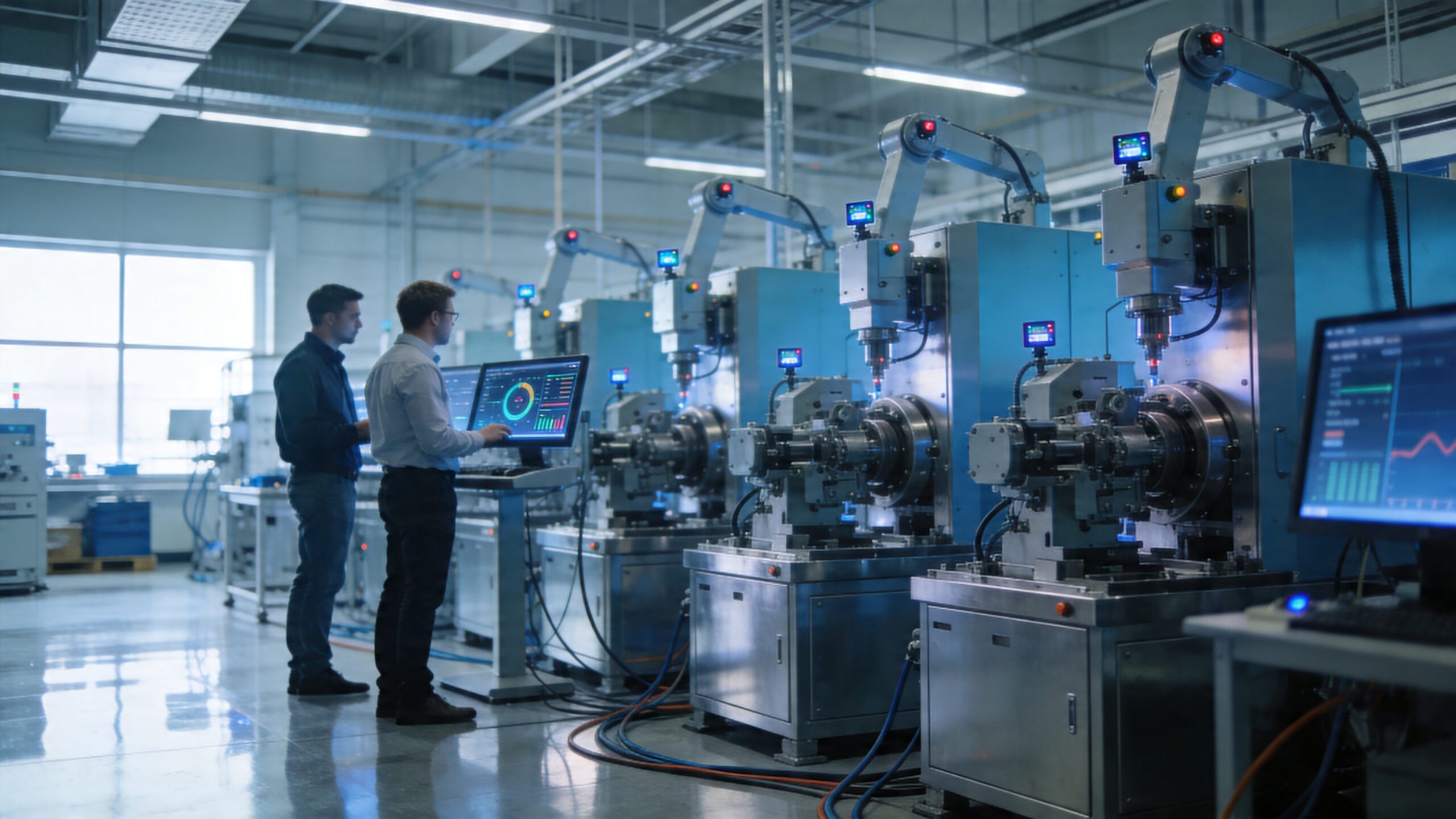
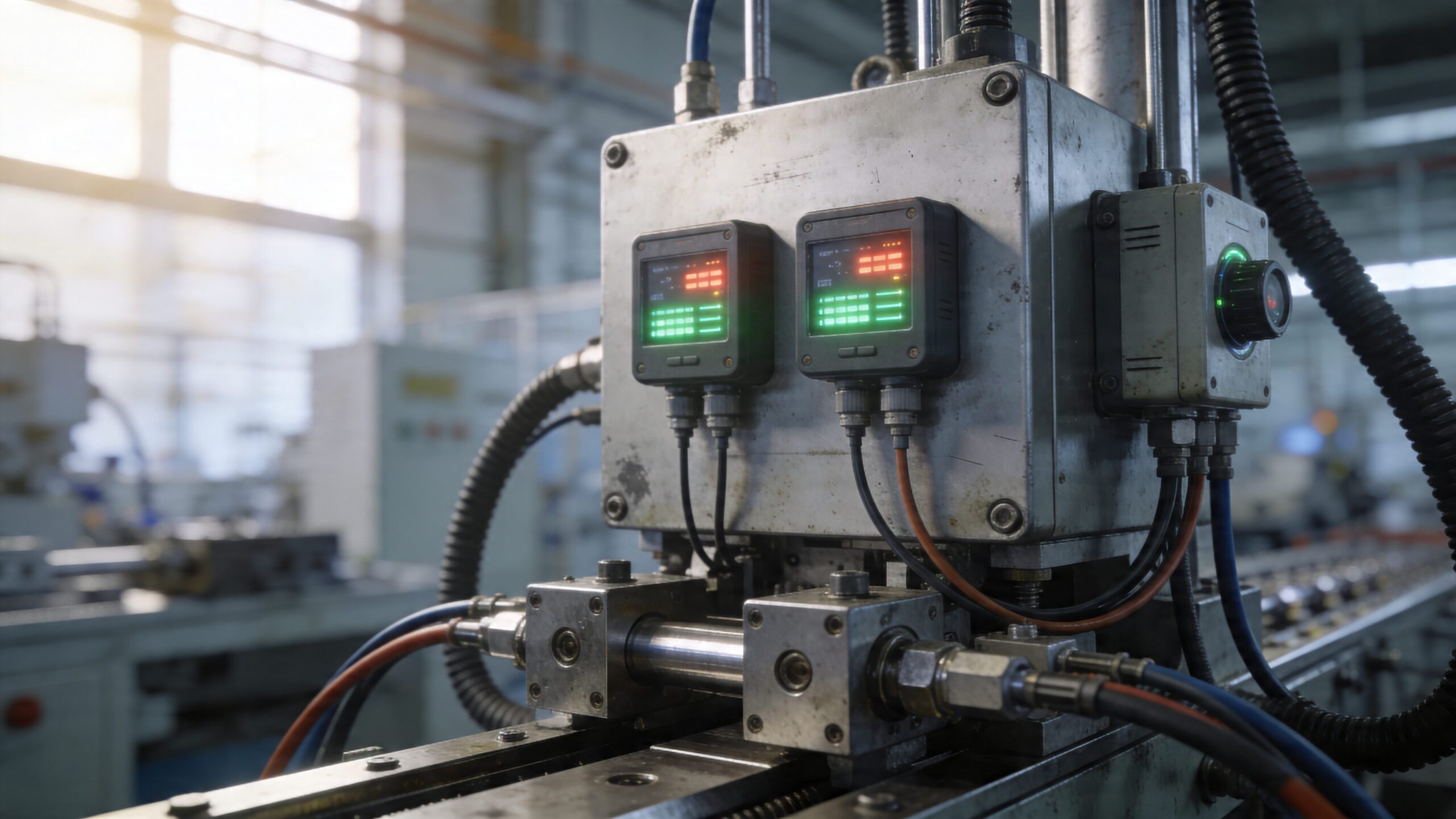
Predictive maintenance watches the actual condition of equipment. Sensors, inspections, operating data, and historical records help estimate when failure risk is rising. The team acts when the evidence says the asset needs attention.
This can reduce unnecessary work and catch problems before a fixed schedule would. A motor that runs smoothly may not need early replacement, while another motor under stress may need attention sooner than the calendar suggests.
Predictive maintenance depends on good data. If sensors are weak, records are incomplete, or failure patterns are poorly understood, prediction can become unreliable.
Condition-based timing can be more efficient, but it requires trust in the signal. If the team does not believe the data or does not understand the alert, predictive recommendations may be ignored.
Each Method Fits Different Assets
Preventive maintenance is often best for simple, low-cost, or regulation-driven tasks. Filters, belts, fluids, safety checks, and routine inspections may not require advanced prediction to justify scheduled work.
Predictive maintenance is often best for critical, expensive, or failure-prone assets where downtime is costly. Motors, pumps, turbines, compressors, conveyors, and production equipment can benefit when signals reveal early risk.
The choice should be practical. If the cost of monitoring is higher than the cost of failure, preventive or reactive maintenance may still make sense. If failure is dangerous or expensive, prediction becomes more attractive.
Criticality is the deciding factor. A small fan in a nonessential area may not justify advanced monitoring, while a production-line motor that can stop an entire shift may deserve close prediction.
Preventive Work Can Waste Resources
Scheduled maintenance can replace parts that still have useful life. It can also create downtime for equipment that was not close to failing. In busy operations, those planned stops still carry labor and production costs.
Preventive work can also introduce mistakes. Opening a system, replacing parts, or making adjustments can create new problems if the task is unnecessary or rushed. More maintenance is not automatically better.
This does not make preventive maintenance bad. It simply means schedules should be reviewed against evidence. If a task is always finding healthy parts, the interval may be too short.
Preventive intervals should not be frozen forever. If records show that parts consistently last longer than expected, the schedule can be adjusted. If failures appear early, the schedule may need tightening.
Predictive Work Can Overtrust Data
Predictive maintenance has its own risks. A model may miss a failure mode, rely on a bad sensor, or generate alerts that do not match reality. If teams trust the system blindly, they may delay necessary work or chase false alarms.
Prediction also needs process discipline. Someone must review alerts, confirm conditions, schedule work, and record outcomes. Without that workflow, the model may produce insight that never becomes action.
The safest predictive programs treat model output as evidence. Technicians still inspect, verify, and decide how to respond based on the machine, the risk, and the operating plan.
Predictive systems also need maintenance. Sensors can fail, software can drift, and dashboards can become cluttered. The monitoring system becomes part of the maintenance program.
Hybrid Programs Are Common
Many organizations use both methods. Preventive schedules cover routine tasks, safety checks, and known service intervals. Predictive tools watch critical components where condition data can improve timing.
A hybrid plan can reduce waste without abandoning dependable routines. It may keep required inspections on schedule while using vibration, temperature, oil analysis, or current data to adjust more expensive repairs.
This blended approach also helps adoption. Teams can add predictive methods gradually while keeping the preventive structure that already supports planning and compliance.
Hybrid programs are easier when roles are clear. Preventive tasks keep known basics covered, while predictive alerts help adjust the work that depends on actual wear or stress.
Measurement Makes the Choice Clearer
Maintenance strategy should be measured. Useful metrics include downtime, emergency repairs, parts cost, labor hours, mean time between failures, false alarms, missed failures, and planned versus unplanned work.
These metrics reveal whether the current approach is working. If preventive tasks are reducing breakdowns at reasonable cost, they may be worth keeping. If failures still appear between scheduled work, predictive monitoring may help.
The right strategy can change over time. As equipment ages, production changes, or better data becomes available, the balance between preventive and predictive work may shift.
Measurement also helps with culture. When teams can see fewer emergency repairs or better uptime, predictive methods become easier to trust. Evidence turns the change into a practical improvement rather than a technology experiment.
The Practical Takeaway
Preventive maintenance asks when work should happen based on schedule. Predictive maintenance asks when work should happen based on condition. Both approaches can reduce risk, but they solve timing in different ways.
The strongest programs do not treat the methods as rivals. They use preventive routines where schedules are reliable and predictive tools where signals can improve timing.
A good maintenance plan protects uptime, safety, budget, and equipment life. The best method is the one that supports those goals with evidence rather than habit alone.
A mature maintenance strategy is not loyal to one method. It is loyal to uptime, safety, cost control, and equipment life.
How to Choose the Right Method
The choice begins with criticality. If failure would create safety risk, major downtime, or expensive damage, the asset deserves closer attention. That may mean predictive monitoring, shorter preventive intervals, or both. If failure is cheap and easy to fix, a simpler approach may be enough.
The next question is predictability. Some failures follow wear patterns that sensors can detect. Others happen suddenly or for reasons that are hard to measure. Predictive tools work best when the failure mode creates signals before the breakdown.
The final question is operational readiness. A predictive system is useful only if the team can respond to its warnings. If staffing, parts, or scheduling cannot change, the organization may need process improvement before advanced prediction pays off.
Examples of Good Fit
Preventive maintenance fits routine tasks such as lubrication, filter replacement, safety inspections, calibration checks, and parts with known service intervals. These tasks are predictable enough that a schedule provides good value.
Predictive maintenance fits assets where condition changes can be measured. Vibration on rotating equipment, oil analysis for engines, thermal readings for electrical systems, and current patterns in motors can all reveal developing problems.
Some assets need both. A compressor might receive scheduled safety checks while sensors watch for abnormal vibration or heat. The schedule covers known basics, and prediction handles changing condition.
What Success Looks Like
A successful preventive program reduces neglect. Work happens on time, required checks are documented, and basic wear items are handled before they create avoidable problems. The team gains consistency.
A successful predictive program reduces surprise. Work happens when condition evidence supports it, not just because a date arrived. The team gains better timing and a clearer reason for intervention.
A successful hybrid program does both. It keeps dependable routines while adjusting major work based on machine evidence. The result should be fewer emergencies, better planned downtime, and more confidence in maintenance decisions.
Final Takeaway
Predictive and preventive maintenance are not enemies. Preventive work protects routine reliability, while predictive work improves timing when machine signals reveal changing risk.
The best maintenance strategy uses evidence rather than fashion. If a schedule works, keep it. If condition data can reduce waste or catch failures earlier, use it. If both are needed, combine them deliberately.
The goal is not to make maintenance sound more advanced. The goal is to protect equipment, people, budgets, and production with the right work at the right time.
What to Check Next
A useful maintenance review begins with asset ranking. Equipment can be grouped by criticality, failure cost, safety risk, repair difficulty, and available condition data. That ranking helps decide which assets deserve predictive monitoring and which are better served by schedules.
Teams should also inspect the current preventive calendar. Some tasks may be required by safety rules, warranties, or operating standards. Others may exist because no one has reviewed them in years. Evidence can reveal which intervals still make sense.
For predictive work, teams need enough history to compare alerts with outcomes. If failures are rare or poorly documented, the model may need more time before it becomes dependable. A weak history does not make prediction impossible, but it changes expectations.
Communication is important during the transition. Technicians may worry that predictive tools are judging their work, while managers may expect instant savings. Clear roles help: the tool supplies evidence, and people remain responsible for maintenance decisions.
The best strategy is reviewed regularly. Preventive intervals can change, predictive thresholds can change, and equipment priority can change. Maintenance planning improves when it stays connected to current evidence.
Final Takeaway
The simplest way to remember the difference is this: preventive maintenance asks what work is due, while predictive maintenance asks what condition evidence says now. Both questions matter, but they do not answer the same thing.
A good program uses preventive work to cover known obligations and predictive work to improve timing where condition data is strong. That mix can reduce waste without abandoning the structure maintenance teams need.
The wrong approach is choosing a method because it sounds modern or familiar. The right approach is matching the method to the asset, risk, evidence, and workflow.
When the match is right, maintenance becomes less reactive. Teams spend less time responding to surprises and more time planning work around clear evidence.
That is the practical goal: fewer preventable failures, fewer unnecessary interventions, and a maintenance rhythm that supports production instead of constantly interrupting it.
Teams can review the balance once or twice a year. If emergency repairs are still common, the strategy may need better prediction or shorter intervals. If scheduled work often finds healthy parts, some intervals may be too aggressive.
That review keeps the program honest. Maintenance strategy should change as equipment, data, staffing, and operating conditions change.
The best result is not a perfect label. It is a maintenance plan that keeps improving because the team compares the method with real outcomes.