Quantum and Classical Signals Use Different Rules
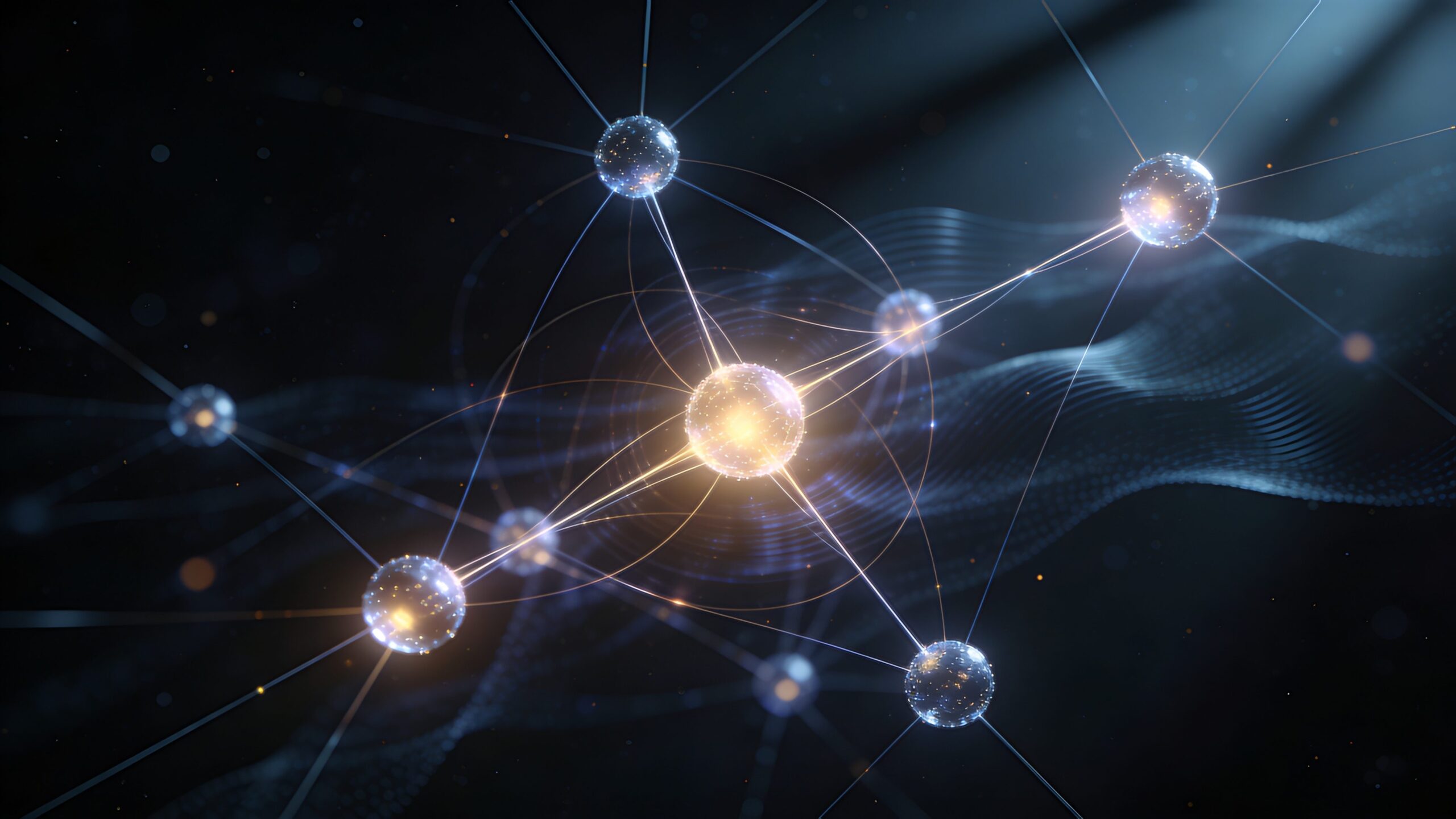
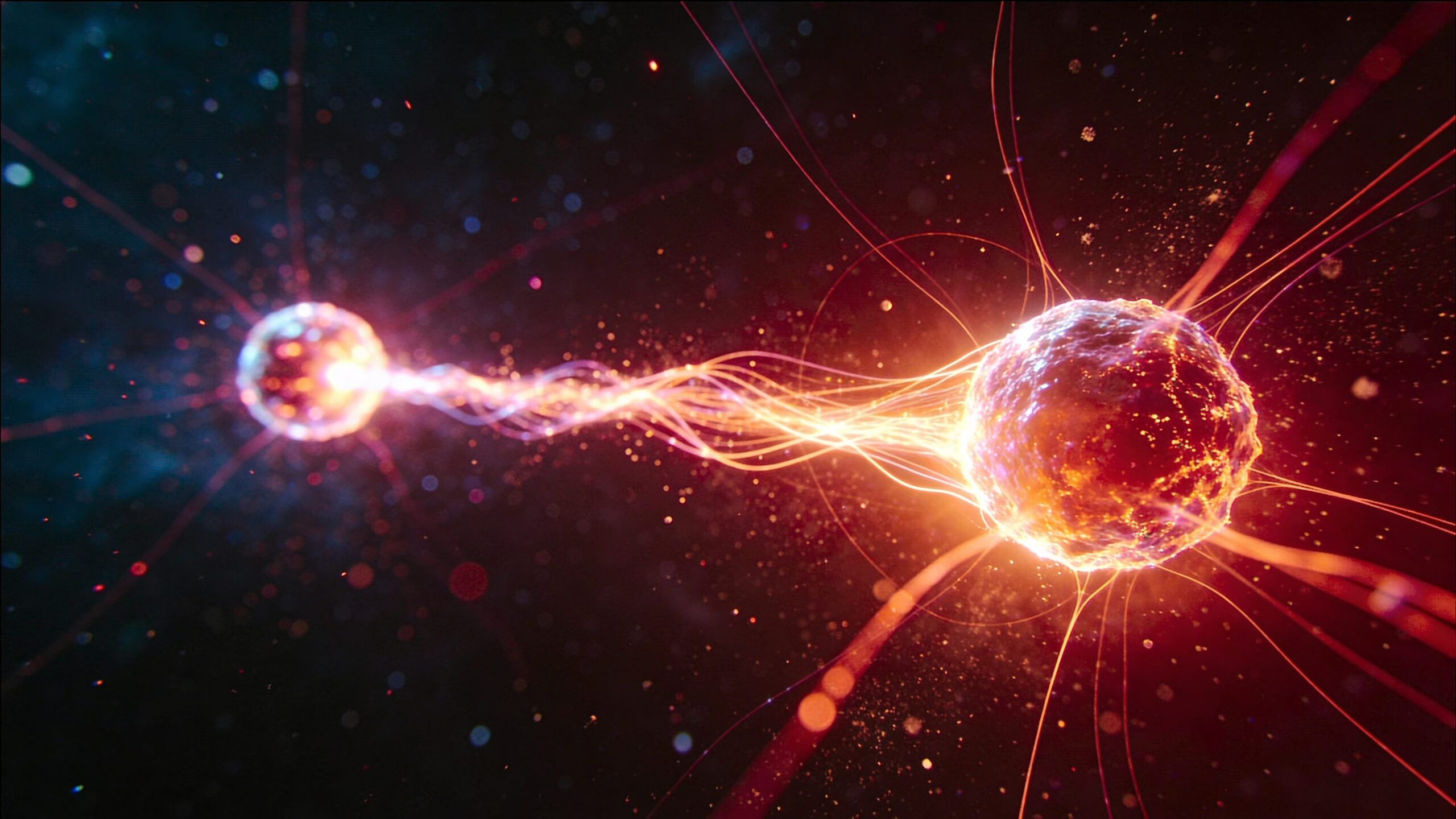
Quantum communication and classical signals both move information, but they rely on different physical rules. Classical systems use signals that can usually be copied, amplified, routed, measured, and corrected in familiar ways. Quantum systems use fragile states that can be disturbed by measurement and cannot simply be copied without changing the problem. That difference affects security, distance, hardware, cost, and the kinds of networks each approach can support. The right comparison is not which one is better in every situation, but what each is built to do.
Classical Signals Are Built for Scale
Classical communication is the foundation of modern networks. Fiber optics, radio, copper lines, satellites, Wi-Fi, Bluetooth, cellular systems, and Ethernet all use classical signals. These systems can carry huge volumes of data, route traffic through many devices, and recover from noise with mature engineering tools.
Classical signals can be measured and repeated without the same limits that affect quantum states. A router can inspect packets, a repeater can boost a weak signal, and a server can copy data many times. This makes classical networking flexible, affordable, and scalable.
That scale is why classical systems will remain essential. Even if quantum networks grow, ordinary data traffic, streaming, browsing, cloud services, and business communication will continue to depend on classical infrastructure for a long time.
Classical scale also benefits from decades of troubleshooting knowledge. Engineers know how to measure loss, replace components, reroute traffic, balance loads, and recover from failures. That operational maturity is a major advantage.
This maturity is easy to overlook when a newer technology sounds more exciting. A network used by billions of people needs not only clever physics, but dependable maintenance, tools, training, and cost control.
Quantum Signals Are Built Around Fragility
Quantum communication uses states that behave differently from ordinary signals. A photon’s polarization or another quantum property can encode information, but the act of measuring it can change the state. This makes the signal fragile, but it also creates special security possibilities.
The fragility changes the engineering mindset. Instead of freely copying or amplifying the signal, a quantum system must preserve delicate states and detect when something has disturbed them. Equipment quality, channel loss, timing, and noise become central issues.
That makes quantum communication more difficult to build at scale. It is not a general replacement for classical links. It is a specialized tool for situations where the unique behavior of quantum states creates value that ordinary signals cannot provide.
Fragility can be useful only when the system is designed around it. If the hardware is unstable or the channel is too noisy, the special properties become a burden rather than a benefit.
That is why quantum systems are often discussed with careful conditions. Temperature, alignment, detector quality, fiber route, distance, and timing can all decide whether a method works outside the lab.
Copying Is a Key Difference
Classical information can be copied easily. A file, packet, or bit pattern can be duplicated and sent to many places. This is one reason the internet works so well. Information can be cached, routed, backed up, inspected, and repaired across many layers.
Quantum information does not allow the same kind of copying of unknown states. This limitation is often called the no-cloning principle. It makes quantum networks harder to build, but it also supports security methods where unwanted measurement can be detected.
The difference matters because many ordinary network tools depend on copying. Quantum systems need different strategies, such as careful measurement, entanglement distribution, trusted nodes, or future repeaters designed for quantum behavior.
The copying difference also changes how errors are handled. Classical networks can resend, duplicate, cache, and compare information freely. Quantum systems require more careful protocols because the state being protected cannot simply be treated like an ordinary packet.
This does not make quantum communication impossible. It means the network has to use tools suited to quantum behavior, with classical messages helping confirm what can be confirmed safely.
Security Works in Different Ways
Classical security usually depends on mathematics, protocols, authentication, software quality, and operational discipline. Encryption protects information by making it impractical to read without the right key. If the math becomes weak or the key is stolen, the protection can fail.
Quantum communication can add physical evidence to parts of the security process. In quantum key distribution, disturbance in the quantum channel can reveal certain forms of interception. This does not remove the need for classical authentication, secure devices, or good procedures.
The strongest future security plans may use both approaches. Post-quantum cryptography can strengthen ordinary networks against future attacks, while quantum links may serve special environments that need high-assurance key exchange or scientific coordination.
Security comparisons can become misleading when they ignore the rest of the system. A quantum channel may detect certain interference, while a classical encrypted system may still be strong enough for many uses if managed well.
The practical question is risk. What information needs protection, who might attack it, how long it must remain secret, and what budget or complexity is reasonable? Different answers lead to different designs.
Distance and Hardware Shape Adoption
Classical networks can send signals across oceans, through cities, and into homes with well-developed repeaters, amplifiers, routers, and optical systems. Decades of investment have made the infrastructure reliable and relatively inexpensive per user.
Quantum links face harder distance limits because loss and disturbance are more damaging. Sending quantum states across long fiber routes or through free space requires specialized sources, detectors, timing systems, and sometimes trusted intermediate nodes or satellite paths.
This hardware burden affects adoption. Quantum communication may be worth the cost for high-value links, but it will not be the default choice for every office, home, or mobile device until equipment becomes far easier to deploy and maintain.
Hardware also affects who can adopt the technology. Classical networking equipment is widely available and supported by large supply chains. Quantum equipment is more specialized, which can increase cost and limit deployment options.
Over time, better integration may reduce that gap. Smaller sources, better detectors, improved packaging, and easier calibration would make quantum links more practical beyond research settings.
Speed Is Not the Main Comparison
People sometimes assume quantum communication means faster-than-light communication or instant internet. That is not how practical systems work. Quantum effects can support special correlations and security methods, but useful communication still respects physical limits and often requires classical coordination.
Classical systems are already extremely fast for many tasks. Fiber networks, modern wireless systems, and data centers can move ordinary information at tremendous scale. Quantum communication should not be judged as a simple speed race against those systems.
The better comparison is capability. Classical signals are excellent for general data transport. Quantum signals are valuable when their physical properties support security, sensing, timing, or distributed quantum technology in ways ordinary signals cannot.
Speed myths are common because the word quantum sounds futuristic. In practice, quantum communication is often paired with classical communication that still follows ordinary timing limits.
The value is not instant messaging across impossible distances. The value is in security, coordination, and future links between quantum systems where classical signaling alone cannot provide the same function.
Hybrid Networks Are the Likely Path
The future is likely to combine classical and quantum systems. Classical networks will carry most traffic, manage control messages, and support user services. Quantum channels may add specialized links for key exchange, research coordination, or future quantum computing networks.
This hybrid approach is practical because it uses existing infrastructure where it works and adds quantum capability where it helps. It also gives standards, hardware, and operations time to mature before broader deployment.
Hybrid design avoids the false choice between old and new. Classical communication is not obsolete, and quantum communication is not merely a laboratory curiosity. Each can serve a role when the network is designed around the actual requirement.
Hybrid networks also let organizations keep what already works. Existing applications do not need to be thrown away just because one part of the security or research workflow uses quantum signals.
This mixed approach is how many infrastructure changes happen. New layers appear for specific needs, prove themselves, and then become ordinary parts of the larger system if they are useful enough.
The Practical Takeaway
Classical signals are durable, scalable, and built for the everyday internet. Quantum signals are fragile, specialized, and useful because measurement changes the situation. That difference explains why the two technologies have different strengths.
A careful comparison looks at purpose. If the goal is ordinary data movement, classical systems are unmatched. If the goal involves quantum-secure key exchange, entanglement distribution, or future quantum computing links, quantum communication may provide capabilities classical systems cannot duplicate.
The most realistic future uses both. Classical networks provide reach and scale, while quantum signals add specialized trust and coordination where the physics is worth the cost.
The simplest rule is to match the signal type to the job. Classical signals win on general reach, cost, and flexibility. Quantum signals win only where their unusual properties provide a specific advantage.
That balanced view makes the comparison clearer. Quantum communication is not a universal replacement, and classical communication is not outdated. They answer different engineering questions.
How to Judge the Tradeoff
A practical comparison begins with the information being moved. Ordinary messages, video, files, payments, and web traffic are well served by classical signals. Quantum states are useful when the special behavior of measurement, entanglement, or key exchange is part of the goal.
The second comparison is operational. Classical systems are easier to repair, monitor, copy, and route. Quantum systems may provide unusual protection or scientific value, but they require more specialized handling and tighter environmental control.
Cost follows from that operational difference. Classical equipment benefits from mass production and mature supply chains. Quantum equipment is earlier in its development, so deployment will be selective until hardware becomes smaller, cheaper, and easier to maintain.
Security claims also need careful wording. Quantum methods can strengthen parts of communication, but they do not remove all attack paths. A secure system still needs good identity management, endpoint protection, software updates, and human procedures.
The most realistic future uses the strengths of both. Classical networks provide the universal transport layer, while quantum links provide special capabilities where the physics matters enough to justify the complexity.
That balanced view makes the comparison useful. It avoids dismissing quantum work as hype and avoids pretending classical networks are obsolete. Each signal type belongs where its strengths match the task.
For buyers and planners, the safest question is practical: what capability is missing from the current system, and does quantum communication actually supply it better than a classical alternative?
If the answer is clear, the added complexity may be justified. If the answer is vague, classical systems may remain the better fit.
This is especially important for organizations with limited budgets or small technical teams. A mature classical upgrade, better key management, or post-quantum software transition may solve the immediate problem with less risk.
Quantum communication becomes compelling when the physical property itself is needed. If that special property is not central to the use case, the newer technology may add complexity without adding enough value.
The best comparison therefore stays concrete. Name the task, name the risk, name the required distance, and name the operational burden before deciding which signal approach fits the real deployment.
Specific requirements prevent vague technology choices.