Cloud Signal Processing Turns Live Data Into Shared Insight
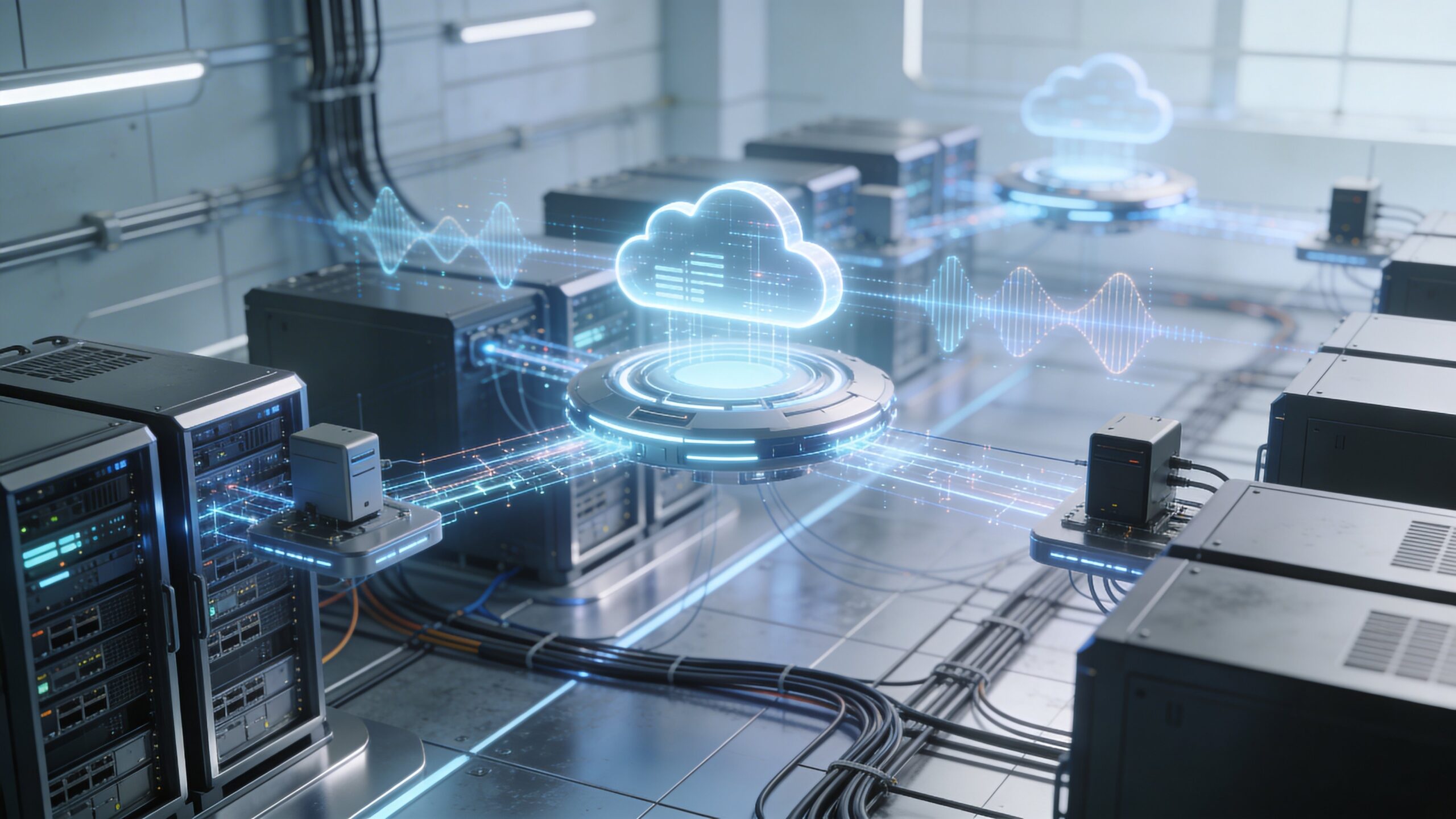
Real-time signal processing in the cloud helps teams analyze streaming data from devices, applications, sensors, machines, networks, and users while events are still fresh. The cloud can collect many signal streams, compare them across locations, run models, store history, and deliver dashboards or alerts to people who need to act. The challenge is balancing speed with reliability, privacy, cost, and network limits. A useful cloud pipeline does not only process data quickly; it gives the right users timely evidence they can understand and trust.
Real Time Has a Deadline
Real-time processing means the system has a useful response window. That window may be milliseconds for audio cleanup, seconds for network monitoring, minutes for operations alerts, or longer for business dashboards. The deadline depends on the decision the signal supports.
Cloud platforms can handle many real-time tasks, but the round trip from device to cloud and back must fit the use case. If an action needs to happen instantly at the source, edge processing may handle the first response while the cloud handles broader analysis.
A strong design begins by naming the deadline. Once the timing requirement is clear, teams can decide which data goes to the cloud, which processing stays local, and which results need immediate notification.
That timing work also affects cost. A system designed for millisecond response may need more edge support, faster messaging, and tighter engineering than a system that updates a dashboard every minute. Real-time should match need, not marketing language.
Streams Need Structure
A signal stream is not useful just because it moves quickly. It needs timestamps, source labels, device identifiers, units, quality checks, and a consistent format. Without that structure, the cloud receives a fast mess instead of a usable record.
Stream design also needs rules for missing data, duplicate events, late arrivals, and sensor drift. Real systems are imperfect, and the pipeline has to handle that imperfection without collapsing or quietly producing misleading results.
Good structure makes later analysis easier. Models can compare signals fairly, dashboards can show the right context, and alerts can explain what changed instead of only saying that something looks unusual.
Structured streams also support audits. If an alert later proves wrong, teams can examine the source, timing, model input, and transformation steps. That record helps improve the system instead of leaving the mistake unexplained.
Cloud Scale Helps With Comparison
The cloud is valuable because it can combine signals from many devices, sites, customers, machines, or regions. A single edge device may know what is happening locally, but the cloud can notice wider patterns across the whole system.
This comparison is useful for fleet monitoring, network operations, predictive maintenance, fraud detection, market analysis, and customer experience work. The platform can identify whether a change is local, regional, seasonal, or part of a broader trend.
Scale also supports learning. Historical data from many sources can improve models and reveal cases that one site would rarely see on its own.
Cloud comparison can also reveal uneven performance. If one site reports more faults than similar sites, the team can ask whether the equipment, environment, staff process, or sensor quality differs. The cloud makes those questions visible.
Latency and Bandwidth Shape Architecture
Every cloud signal pipeline depends on network conditions. If bandwidth is limited, sending every raw sample may be too expensive or unreliable. If latency is high, alerts may arrive too late for certain decisions.
Teams often solve this with filtering, compression, event detection, batching, and edge summaries. The cloud receives enough information to understand the pattern without carrying every unnecessary detail.
The best architecture matches the signal to the cost of moving it. Critical events may travel immediately, summaries may travel often, and large raw records may be stored locally or uploaded only when needed.
Architecture should also account for bursts. A storm, product launch, outage, or market event can create sudden spikes in signal volume. The pipeline needs to absorb bursts without dropping the events that matter most.
Models Need Monitoring
Cloud platforms make it easier to deploy and update models across many signal sources. A team can improve anomaly detection, forecasting, classification, or recommendation logic from a central place instead of updating each site manually.
That convenience creates responsibility. Models can drift when devices change, user behavior shifts, markets move, or operating conditions evolve. A real-time system needs performance checks, retraining plans, and alerts when the model itself begins to weaken.
Monitoring should include false alarms, missed events, response time, data quality, and user feedback. The goal is not only to keep the model running, but to keep it useful.
Model monitoring benefits from human feedback. Operators can mark alerts as useful, late, irrelevant, or wrong. That feedback is valuable because the people closest to the work often know whether the model is helping.
Security and Privacy Must Be Designed In
Signal streams can include sensitive information such as location, behavior, equipment status, financial activity, voice, images, or health-related measurements. Moving that data into the cloud requires careful access control, encryption, retention rules, and audit logs.
Privacy design starts with asking what the cloud truly needs. Sometimes the platform needs raw data. Other times a summary, count, event label, or transformed feature is enough. Collecting less can reduce risk while still supporting the decision.
Security also includes operational discipline. Keys, roles, dashboards, APIs, and integrations must be managed so the cloud platform does not become a broad doorway into sensitive systems.
Privacy design also helps with trust. Users and customers are more likely to accept signal processing when the purpose is clear and the system avoids collecting raw sensitive data that the decision does not require.
Dashboards Should Support Decisions
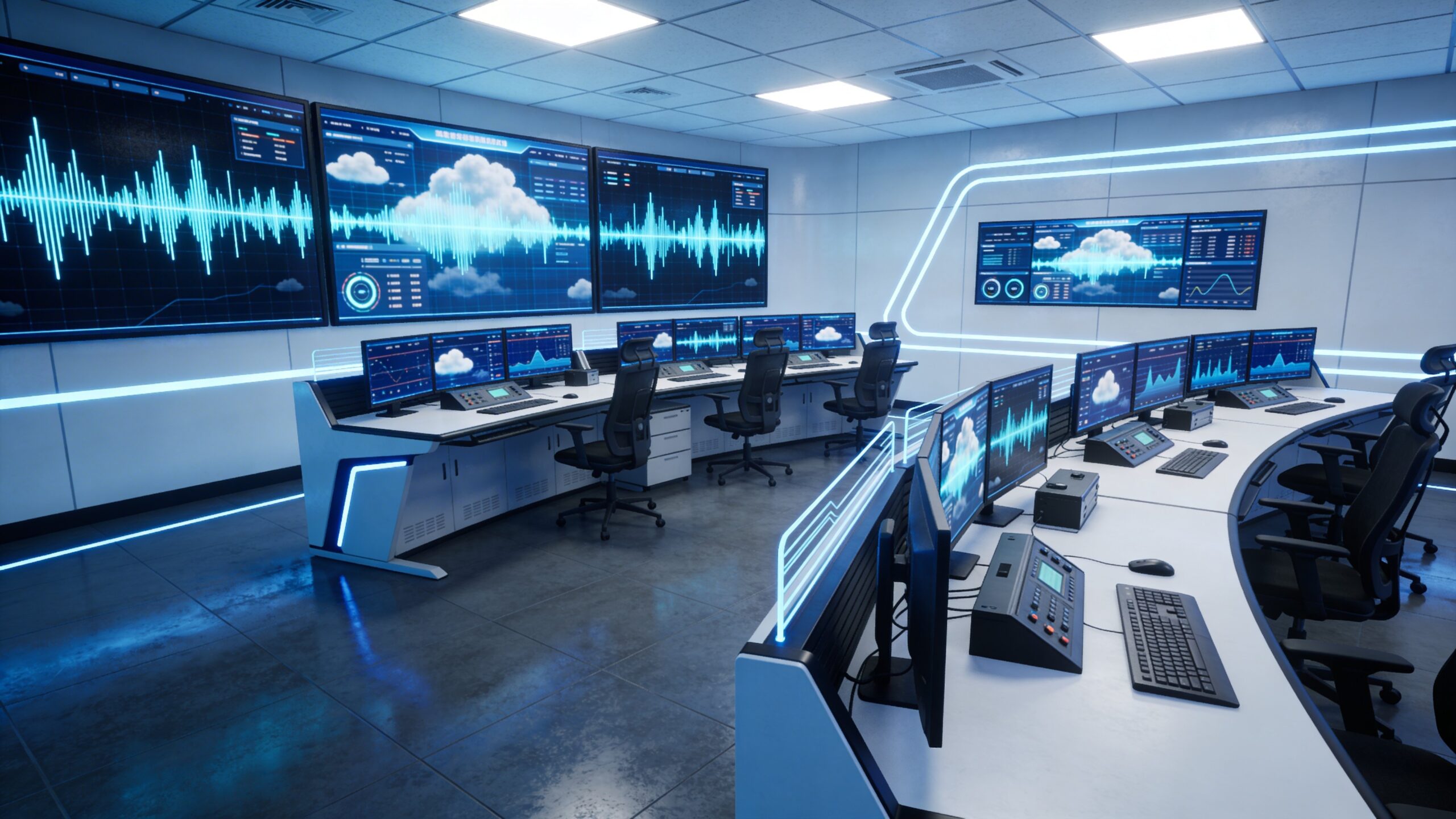
A real-time dashboard can become overwhelming if it shows every metric at once. Useful dashboards prioritize change, severity, confidence, and next steps. They help users understand what deserves attention now and what can wait.
Good design also separates status from diagnosis. A red alert may show that something is wrong, but users still need supporting evidence: which signal changed, when it changed, what normal looks like, and what has already been checked.
The best dashboards reduce confusion during pressure. They make the live system easier to read instead of adding another noisy screen to the workflow.
Decision-focused dashboards often use layers. The first view shows priority and status, while deeper views show raw evidence, history, and model explanation. That keeps the main screen clean without hiding important detail.
The Practical Takeaway
Real-time cloud signal processing is strongest when it combines fast streams with clear structure, useful comparison, monitored models, secure handling, and decision-focused output. Speed matters, but it is only one part of the system.
Cloud platforms are especially helpful when signals need shared history, broad visibility, centralized model management, and cross-site learning. They are less ideal for decisions that must happen locally with almost no delay.
The best design is usually layered. Local systems handle urgent response, the cloud handles scale and learning, and users receive evidence at the moment when it can still improve the decision.
A practical cloud system therefore feels less like a storage bucket and more like a coordinated signal workspace. It receives, organizes, compares, learns, and presents evidence in a way that supports timely action.
How to Use the Signal
A cloud signal platform should be judged by the workflow it improves. If it only moves data faster, the benefit may be limited. If it helps people detect issues earlier, compare sites, reduce downtime, or understand changing demand, the platform is doing useful work.
Teams should also inspect failure modes. What happens if a device disconnects, a message arrives late, a model produces a bad alert, or the dashboard becomes unavailable? Real-time systems need graceful behavior when the world is messy.
Cost review matters because streaming systems can grow quietly. Data transfer, storage, model inference, dashboard users, and logging can all add expense. Good design keeps high-value signals flowing while controlling unnecessary volume.
Governance should be part of the design from the beginning. Someone needs ownership of data definitions, alert thresholds, user permissions, model updates, and retention rules. Without ownership, the pipeline can drift into a confusing collection of feeds.
The strongest systems create a learning loop. Operators respond to alerts, outcomes are recorded, models are refined, and dashboards improve. The cloud is valuable because it can connect those lessons across the whole organization.
A practical real-time cloud pipeline is therefore measured by clarity, not just speed. It should make live conditions easier to understand, give users better timing, and preserve enough history to improve the next decision.
Practical Review
Implementation should start with one well-defined stream. Teams can choose a machine signal, network event, customer action, or device feed where faster awareness would clearly help. A narrow start makes it easier to measure improvement and avoid building a platform that is broad but unfocused.
The first version should define normal behavior. Without a baseline, the system cannot tell whether a change is meaningful. Baselines may vary by hour, season, location, device type, or customer group, so the cloud needs enough history to compare fairly.
Alert design should be tested with real users. A technically correct alert can still fail if it arrives too often, uses unclear language, or goes to the wrong person. The people expected to act on the signal should help shape the threshold and message.
Data retention should match the purpose. Raw streams may be useful for debugging and model training, but keeping everything forever increases cost and risk. Summaries, sampled data, or event records may be enough after the immediate review window passes.
Cloud vendors and internal teams should also plan portability. Signal systems can become central to operations, and switching later may be difficult. Clear data formats, documented pipelines, and export options protect the organization from being trapped by one tool.
The strongest implementation feels boring in a good way. Signals arrive on time, alerts make sense, users know what to do, and the platform keeps learning without constant emergency repair.
Final Takeaway
The best real-time cloud systems make timing, context, and ownership visible. Users know what happened, where it happened, how confident the system is, and who should respond. That clarity matters more than raw processing speed.
A cloud platform should also make improvement easier. Every alert, missed event, and user response can teach the system something about normal behavior and meaningful change. Over time, that feedback makes the pipeline more valuable.
When a team designs for timing, structure, privacy, cost, and decision quality together, cloud signal processing becomes a practical operating tool. It helps people see live conditions clearly enough to act before the moment passes.
That is the real promise of the cloud layer. It connects many streams into one shared view while leaving enough detail for review, accountability, and future learning.
What to Check Next
Before committing to a cloud signal platform, teams can review five questions. What decision needs faster awareness? Which signals prove that decision is changing? How quickly must the result arrive? What data can stay local? Who owns the response after an alert appears?
Those questions keep the project grounded. They prevent the team from buying a streaming tool when the real need is better data definitions, clearer thresholds, or a simpler dashboard.
They also help define success. A good outcome might be fewer outages, faster repairs, better routing, earlier fraud detection, lower monitoring cost, or clearer compliance records. The platform should be measured against that outcome.