Multi-Modal Signals Give AI a Wider View
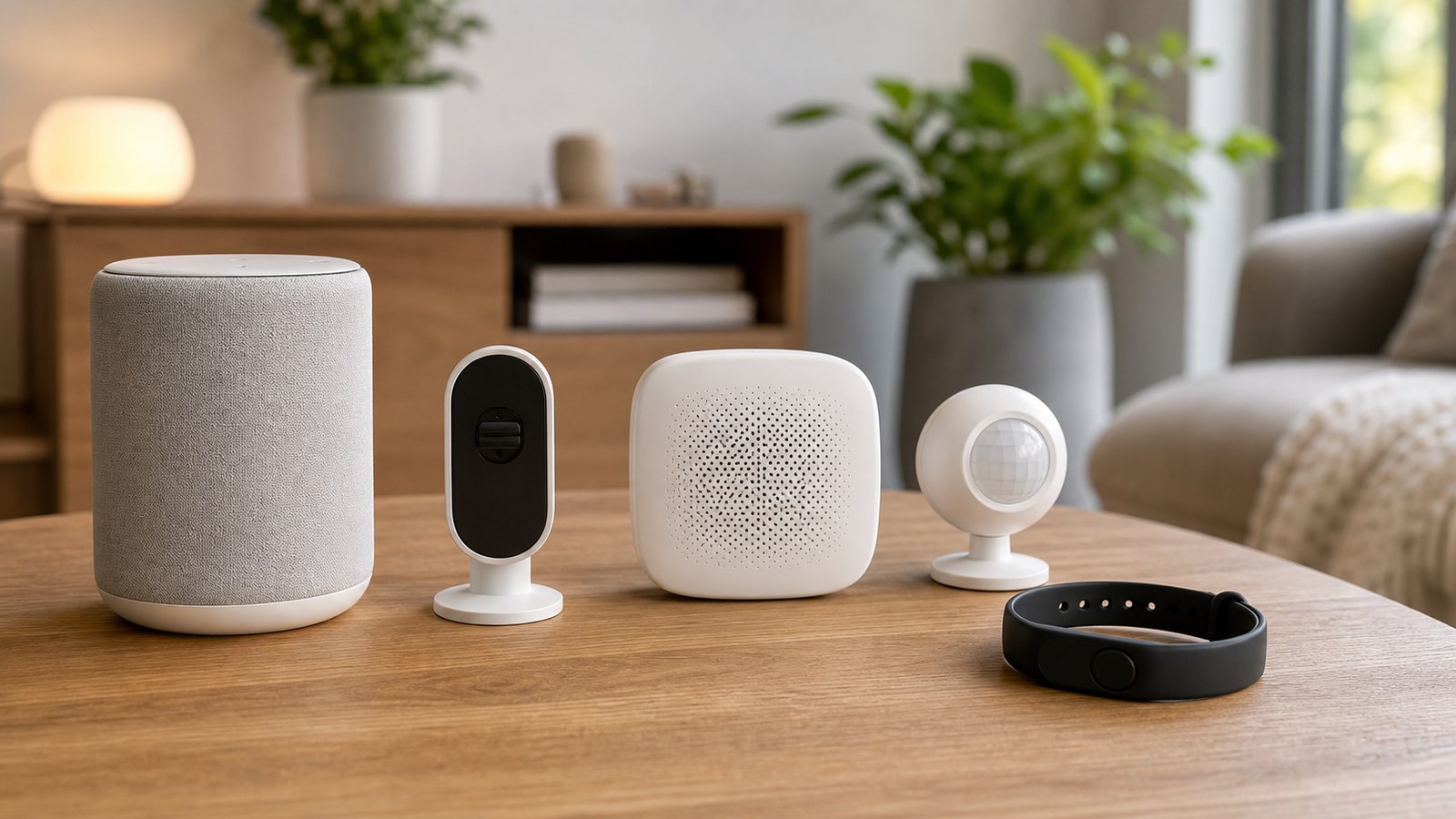
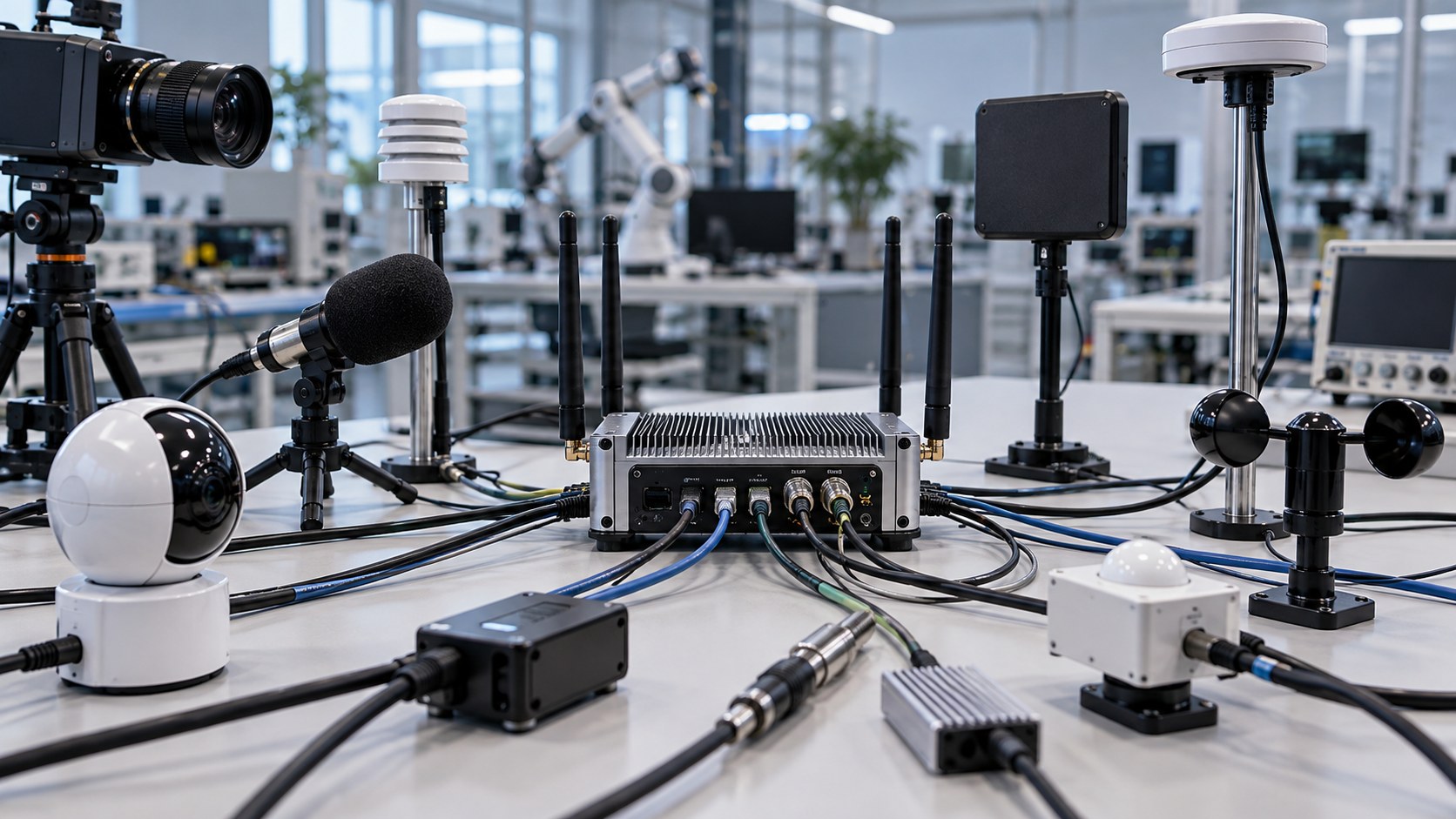
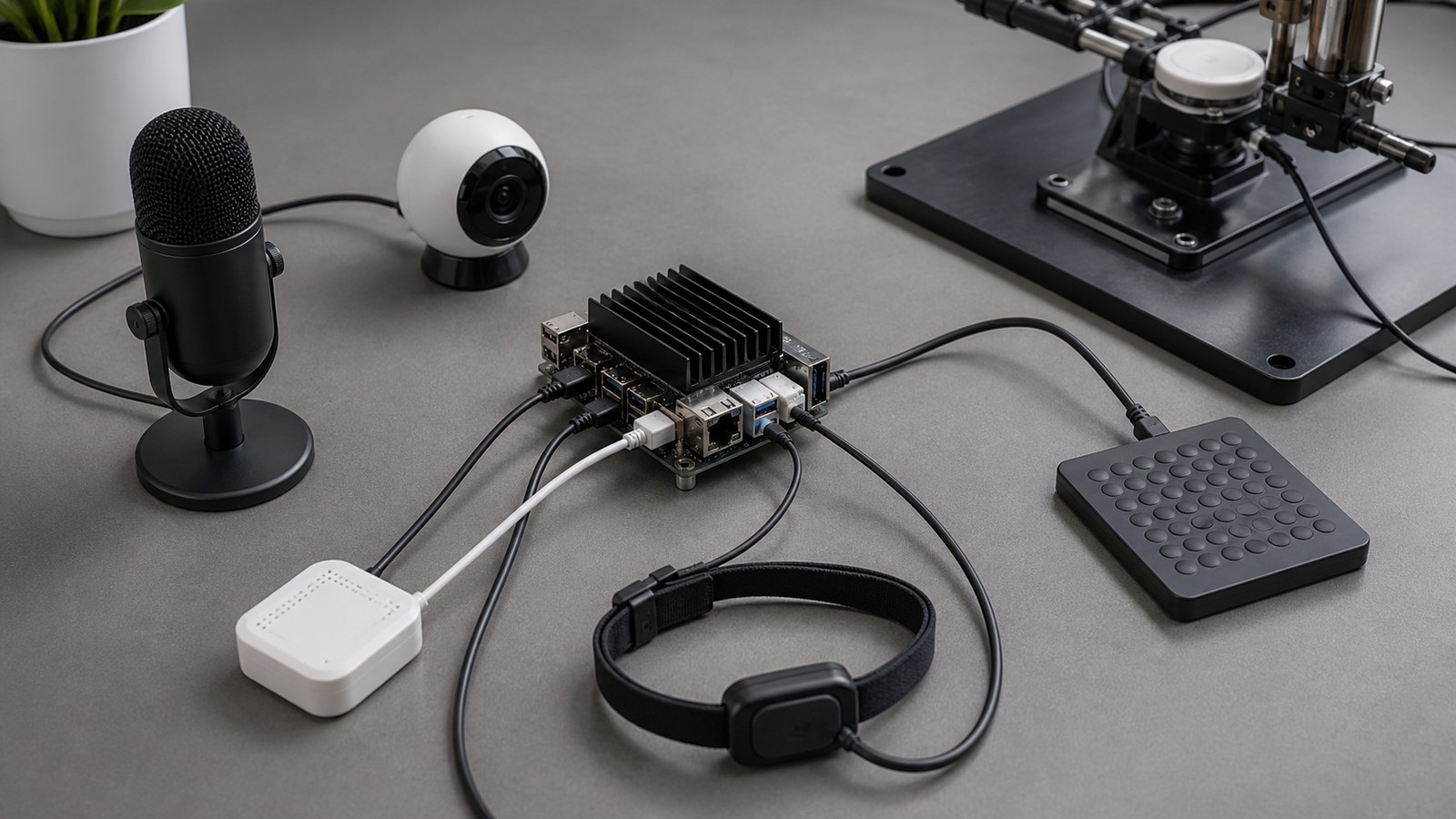
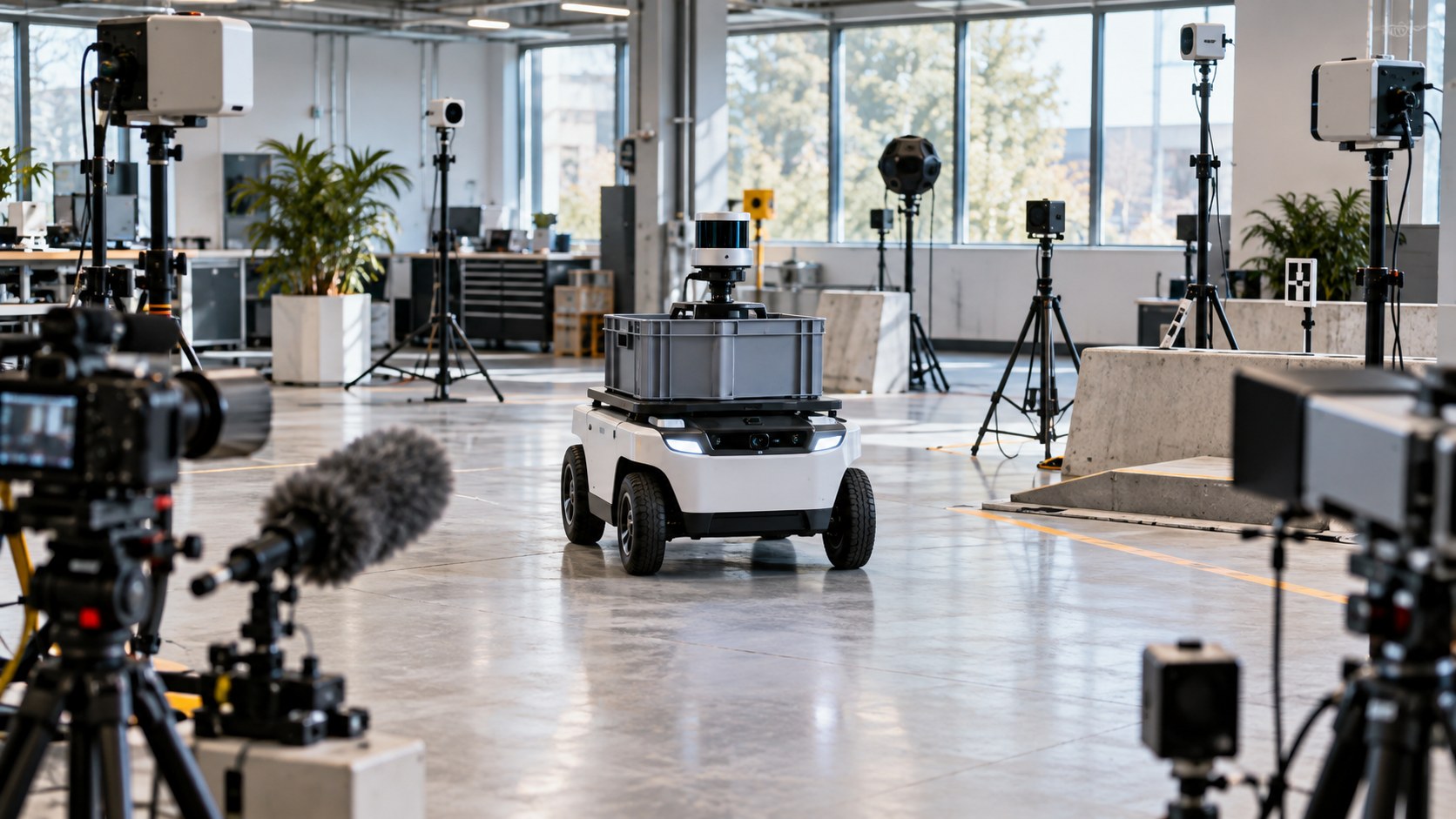
Multi-modal signal analysis matters because many real situations cannot be understood from one stream of data alone. Audio, video, wireless readings, sensor measurements, text, logs, and electrical signals can each reveal part of what is happening. When AI combines those sources carefully, it can make better decisions than a system that sees only one clue. The challenge is alignment, quality, privacy, timing, and explanation. More signals help only when they are connected to the same event and used for a clear purpose.
One Signal Can Miss the Story
A single signal often gives a narrow view. A camera may show movement but not temperature. A microphone may capture sound but not location. A wireless reading may show connection strength but not the physical cause of a weak link.
Multi-modal analysis adds context. If a machine vibrates, heats up, and draws unusual current at the same time, the combined pattern is more meaningful than any one reading alone.
The value comes from comparison. Each signal can confirm, challenge, or explain the others, which helps the model avoid overreacting to one noisy clue.
This is especially true in safety, healthcare, robotics, and infrastructure, where one signal may be incomplete during the exact moment when the decision matters most.
Alignment Is the First Challenge
Signals must be lined up in time and meaning. Audio, video, sensor readings, and logs may use different clocks, sampling rates, delays, and file formats. If they are not aligned, the model may connect events that did not actually happen together.
Good alignment starts with timestamps, synchronization, device records, and a clear event definition. Teams need to know which pieces of data belong to the same moment or process.
Alignment is not glamorous, but it decides whether the model learns real relationships or accidental overlap.
Alignment also includes meaning. Two signals may share a timestamp but describe different parts of the environment, so the event definition needs to be precise.
Each Mode Has Its Own Weakness
Every signal type has limits. Video can struggle with lighting and occlusion. Audio can be distorted by noise. Wireless readings can shift with walls and interference. Sensors can drift or fail.
A multi-modal system should not assume that every input is equally reliable. It needs ways to weigh signals, notice missing data, and avoid letting one bad source corrupt the whole result.
This is where domain knowledge matters. People who understand the environment can explain which signal is trustworthy under which condition.
A strong system may assign reliability scores to each input. That helps the model reduce the influence of a sensor that is blocked, noisy, or drifting.
Fusion Can Happen at Different Stages
Some systems combine raw data early, before the model has interpreted each signal. Others analyze each mode separately, then combine features, scores, or decisions later. Each approach has tradeoffs.
Early fusion can capture deep relationships but may require heavy processing and careful synchronization. Late fusion can be easier to manage because each signal has its own pathway before results are combined.
The best fusion method depends on the task, available data, timing requirement, and need for explanation. There is no one universal structure.
Fusion can also be staged for explanation. A team may keep separate pathways visible so users can see how each mode contributed before the final decision.
Missing Data Is Normal
A real system cannot assume every signal will always be available. A camera may be blocked, a sensor may drop offline, a wireless reading may be delayed, or a log source may stop sending events.
A strong multi-modal model has a plan for missing data. It can degrade gracefully, ask for review, rely on remaining signals, or lower confidence when important evidence is absent.
This planning prevents brittle behavior. The system should not collapse simply because one input disappears for a moment.
Graceful degradation is part of trust. Users need to know whether the system can still operate when one mode is missing or whether it needs human review.
Privacy Gets More Complicated
Combining signals can reveal more than any single source. Location plus audio, video plus device logs, or health signals plus behavior patterns may create sensitive profiles.
Privacy design should limit collection to the signals needed for the task. It should define access, retention, consent, and whether summaries can replace raw data.
A multi-modal system deserves extra review because combined evidence can become powerful quickly. The more complete the picture, the more careful governance needs to be.
Privacy review should happen before collection expands. It is easier to limit data early than to remove sensitive dependencies after the model is built.
Explanations Need Plain Language
A multi-modal model can become hard to understand if it blends many inputs into one score. Users need to know which signals mattered and whether they agreed or conflicted.
Useful explanations might say that vibration rose while temperature stayed normal, or that video detected motion while wireless readings showed device movement. That kind of explanation helps people judge the result.
The goal is not to expose every calculation. The goal is to make the evidence understandable enough for a responsible decision.
Plain-language explanations also help debugging. When signals disagree, users can inspect the source of conflict instead of treating the final score as mysterious.
The Practical Takeaway
Multi-modal signal analysis matters when one signal is not enough. It can improve AI decisions by combining several forms of evidence, but only if the signals are aligned, reliable, and relevant.
The strongest systems handle missing data, protect privacy, explain which signals mattered, and keep humans involved when the outcome is important.
More data is not automatically better. Better-connected evidence is what makes multi-modal AI useful.
The best multi-modal systems feel careful rather than flashy. They use extra signals only when those signals improve the decision.
Where Multi-Modal Analysis Helps Most
Multi-modal analysis helps most when a decision depends on context that no single sensor can provide. A safety system may need vision, audio, and motion. A machine-health model may need vibration, current, temperature, and maintenance history. A network system may need wireless readings, logs, and device location.
The best use cases share a pattern: one signal can raise a question, but another signal helps answer it. A camera may show a person near equipment, while a proximity sensor confirms distance and an audio signal detects an alarm. Together, the signals give the system a stronger reason to act.
This approach is also useful when one signal is unreliable at certain times. If light is poor, audio or motion may still help. If a microphone is noisy, visual or sensor data may carry the decision. Multi-modal design can make the system more resilient.
How Teams Can Start Small
A practical project does not need every signal at once. Teams can begin with two sources that clearly support the same decision, then add more only when they solve a known weakness. Starting small makes alignment, privacy review, and evaluation easier.
The first step is defining the event. If the event is a machine fault, the team should decide which time window, sensor readings, and labels describe it. If the event is a safety issue, the team should define what visual, audio, or motion evidence counts.
Once the event is clear, teams can test whether the second signal actually improves the result. If it does not improve accuracy, timing, explanation, or reliability, it may not be worth the added complexity.
Common Failure Points
Multi-modal systems fail when teams assume more data always means better intelligence. Extra signals can add cost, storage, privacy risk, and synchronization problems. If the added signal does not change the decision, it may only add friction.
Another failure point is hidden mismatch. Signals may come from different devices, time zones, software versions, or sampling rates. The model may learn relationships that exist only because the data was lined up incorrectly.
A third problem is explanation. If users cannot tell which signal mattered, they may distrust the output or overtrust a result that deserves review. The system should make signal contributions visible enough for practical decisions.
Final Takeaway
Multi-modal signal analysis is strongest when it fills real blind spots. It should help the system understand context, handle missing inputs, and explain uncertainty better than a single-source model.
The approach requires discipline. Signals need alignment, quality checks, privacy limits, and a clear reason to be included. Otherwise, a wider view can turn into a wider mess.
The practical goal is not to collect everything. It is to connect the right signals so AI can make a better-supported decision at the right time.
What to Check Next
Before building a multi-modal model, teams can ask what each signal adds. If a new source only repeats what another source already proves, it may not be worth collecting. If it explains a blind spot, it may be valuable.
Teams should also ask whether signals can be collected consistently. A mode that works only sometimes may still help, but the model needs to know when that evidence is present, absent, or unreliable.
Another review point is cost. More devices, more storage, more labeling, and more privacy review can make a project harder to maintain. The benefit should justify that burden.
Evaluation should include missing-mode tests. The team should know what happens when video drops, audio is noisy, a sensor fails, or logs arrive late. Those tests reveal whether the model is resilient.
The final check is whether users can act on the output. Multi-modal AI should turn several signals into clearer evidence, not a score that feels impressive but hard to use.
Deployment Notes
Deployment should begin with monitoring for signal disagreement. If one mode repeatedly conflicts with the others, the team needs to know whether that mode is revealing a hidden problem or producing noise.
Teams should also track which modes contribute to decisions over time. If one source rarely changes the result, it may be unnecessary. If one source dominates every result, the system may not be truly multi-modal.
User feedback is valuable because people can notice when a combined result feels wrong. Their feedback can reveal timing errors, missing context, or signals that the model overweights.
Multi-modal systems also need version control. Changing a camera, microphone, gateway, sensor, or preprocessing step can change the relationship between modes. Those changes should be recorded.
The practical goal is a model that becomes clearer as signals are added. If every added mode makes the system harder to explain, the architecture needs review.
A good multi-modal system widens understanding without losing discipline. It connects evidence, handles uncertainty, and keeps the final decision tied to the real event.
Final Takeaway
The final test is whether the combined system improves a real decision. If it catches problems earlier, explains uncertainty better, or reduces false alarms, the extra signal work is justified.
If it only adds complexity, storage, and privacy risk, the project should be narrowed. Multi-modal analysis is a tool, not a requirement for every AI system.
The best projects stay anchored to the decision. They add signals because those signals help, not because more data sounds more advanced.
That discipline keeps multi-modal AI practical. It gives models a wider view while keeping users able to understand and challenge the result.
The best outcome is simple to describe: more useful context, less confusion, and a decision that is easier to defend.
That is the standard that matters.