Signal Anomalies Point to Change
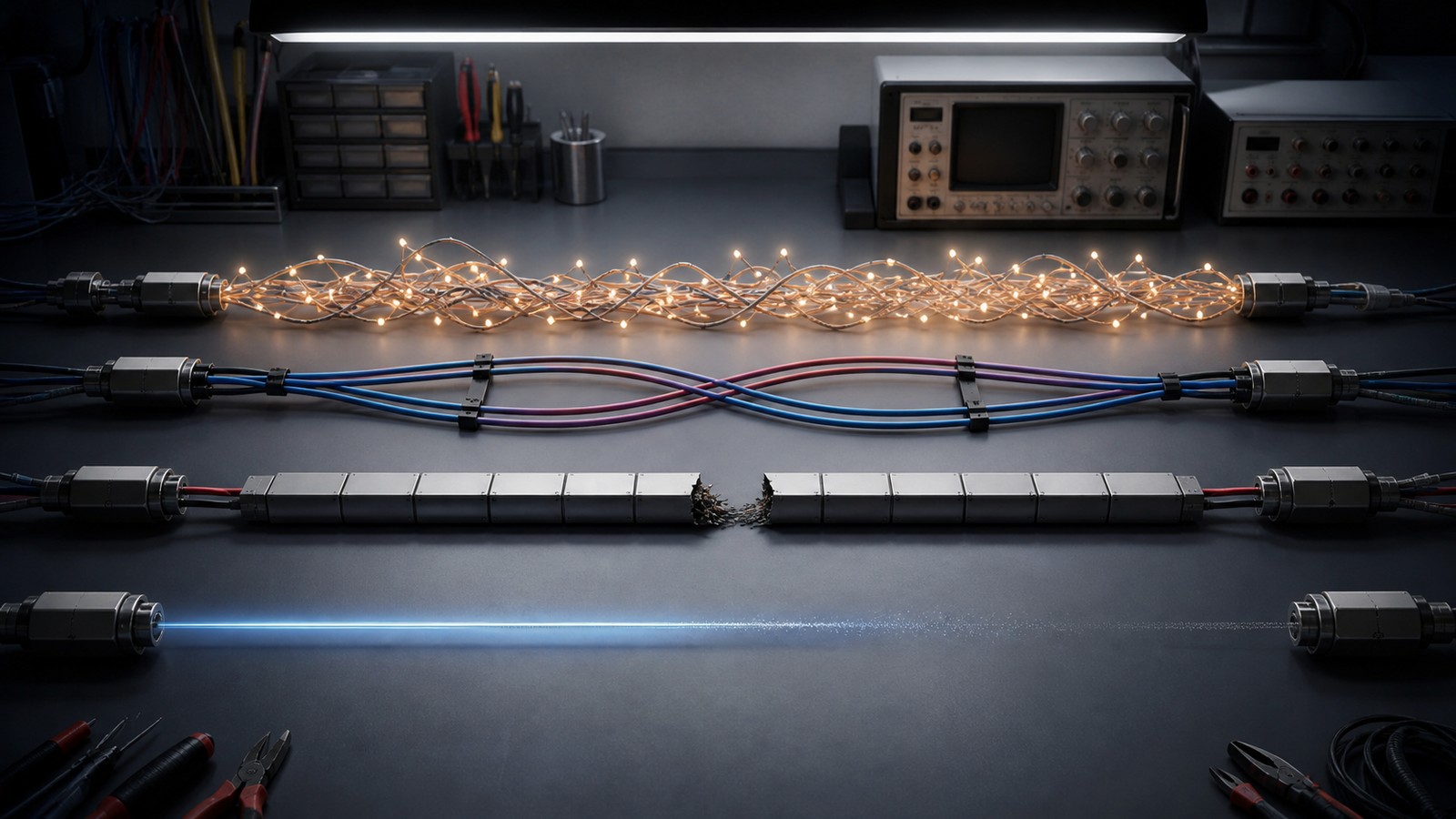
Signal anomalies are unusual patterns that can reveal noise, interference, faults, failures, or changing conditions inside a system. An anomaly is not automatically bad, but it deserves attention because it differs from the expected signal behavior. AI can help find these patterns in wireless, electrical, audio, sensor, industrial, and network data. The value comes from connecting unusual signals to context, cause, severity, and a useful next step.
Anomalies Are Differences
An anomaly is a difference between what the signal is doing and what the system expects. It may be a spike, drop, shift, gap, delay, distortion, or unusual rhythm.
The key question is whether the difference matters. Some anomalies are harmless, while others are early warnings of trouble.
Baselines Define Normal
Anomaly detection needs a baseline. Normal behavior may depend on time of day, load, season, device age, location, or operating mode.
A weak baseline creates weak alerts. The system may treat routine variation as trouble or miss real changes because normal was defined too broadly.
Noise Can Look Like Trouble
Noise adds unwanted variation to a signal. It may come from sensors, environment, power supplies, movement, weak connections, or measurement limits.
AI should distinguish noise from meaningful change where possible. Filtering and signal quality checks help prevent false alarms.
Interference Changes Patterns
Wireless and electrical systems can be affected by interference from other devices, reflections, shielding, or overlapping signals.
Interference may reduce performance without immediately breaking the system. Detecting it early can help teams adjust channels, shielding, placement, or equipment.
Faults May Start Small
A fault can begin as a subtle signal change before a visible failure occurs. Heat, vibration, current draw, latency, or waveform shape may shift gradually.
AI can catch these early clues if it has enough history and context. Early detection is useful only when someone can act on the warning.
Failures Create Strong Signals
A failure may produce a clear signal break, sudden silence, repeated error pattern, or extreme reading. These anomalies are easier to notice but often arrive late.
The system should still classify failures accurately and quickly. Fast recognition can reduce downtime and help teams respond in the right order.
Context Reduces False Alarms
An unusual signal may be normal during maintenance, startup, storms, heavy traffic, or planned changes. Context helps the model avoid unnecessary alerts.
Useful anomaly detection connects signal behavior with operating mode, schedule, environment, and recent events.
Severity Needs Ranking
Not every anomaly deserves the same response. Some should be logged, some should be watched, some should trigger review, and some should cause immediate action.
Severity ranking helps teams focus attention. Without ranking, alerts can become noise of their own.
Time Windows Matter
An anomaly may last milliseconds, minutes, or days. The detection window should match the kind of change the system cares about.
A short window catches sudden spikes. A longer window can reveal drift, wear, or seasonal patterns. Both can matter.
Multisignal Evidence Helps
An anomaly is more convincing when several related signals change together. Vibration, temperature, current, and sound may combine to show equipment stress.
Single-signal anomalies still matter, but comparison can reduce false alarms and improve confidence.
Rare Events Need Examples
Many important anomalies are rare. That makes supervised training difficult because there may be few labeled failure examples.
Teams can use simulation, expert rules, unsupervised methods, or review workflows to handle rare events. The approach should match the available data.
Unsupervised Methods Find Surprise
Unsupervised anomaly detection can learn normal patterns and flag unusual behavior without needing every failure label in advance.
This is useful when failures are rare, but it can also flag harmless novelty. Review and tuning remain important.
Thresholds Need Maintenance
A fixed threshold may work for a while and then become stale as equipment, users, or environments change.
Thresholds should be reviewed against recent outcomes. If alerts are too frequent or too late, the threshold may need adjustment.
Root Cause Takes More Work
Detecting an anomaly is not the same as explaining it. The system may know something changed without knowing whether the cause is noise, interference, fault, or failure.
Root cause analysis may require additional sensors, inspection, logs, maintenance history, or expert review.
Alerts Should Include Evidence
A useful anomaly alert should show what changed, when it changed, how unusual it was, and what evidence supports the warning.
Evidence helps responders trust the alert. It also helps them decide whether to inspect, wait, escalate, or ignore.
What to Check Next
Teams should check baselines, thresholds, signal quality, context data, severity ranking, and response steps.
They should also review both false alarms and missed anomalies. Each kind of error teaches something different.
Deployment Notes
Deployment should include alert ownership, feedback loops, model monitoring, and a way to pause or tune noisy alerts.
Anomaly systems should be reviewed after maintenance, hardware changes, seasonal shifts, and major workload changes.
Final Takeaway
Signal anomalies reveal change, but the meaning of that change depends on context. Noise, interference, faults, and failures can look similar until evidence is compared.
The best systems detect unusual patterns, rank severity, show evidence, and connect alerts to practical response.
Practical Anomaly Review
A practical review asks whether the alert helped someone act sooner or more accurately. If an anomaly warning creates work without improving decisions, the system needs tuning.
The review should include examples from real operations. Patterns that look important in a chart may be routine once technicians explain the workflow.
Good Anomaly Systems Learn
Anomaly detection should improve as teams confirm causes and outcomes. Each reviewed event can help refine baselines, thresholds, labels, and response rules.
That learning loop keeps the system from becoming either too noisy or too quiet. The goal is useful attention, not endless alarms.
Noise Has Many Sources
Noise may come from measurement limits, loose wiring, weak sensors, weather, vibration, radio congestion, power quality, or nearby equipment. The first step is recognizing that not every strange pattern has the same cause.
A useful system separates signal quality warnings from operational warnings. That prevents teams from chasing a system fault when the problem is actually poor measurement.
Interference Can Be Intermittent
Interference may appear only at certain times, loads, locations, or device states. That makes it harder to diagnose than a constant failure.
AI can help by comparing timing and context. If anomalies appear when a nearby device runs or a channel becomes busy, the pattern can point toward interference.
Faults Often Create Families of Clues
A fault may affect several measurements at once. Temperature, vibration, current, pressure, sound, and timing can shift together as a system moves toward failure.
Looking for families of clues helps reduce guesswork. It also helps responders choose the right inspection path.
Failure Evidence Should Be Preserved
When a failure occurs, the signal history before the event is valuable. It may show the early pattern that future detection should catch sooner.
Teams should preserve pre-event and post-event data where possible. That evidence turns one failure into training material for prevention.
Normal Can Be Seasonal
Normal signal behavior may change by season, weather, production schedule, or usage pattern. A winter baseline may not describe summer behavior well.
Seasonal baselines help prevent false alarms. They also make real seasonal stress easier to see.
Maintenance Events Need Tags
Maintenance can create signal changes that look anomalous. A replaced part, reboot, calibration, cleaning, or inspection may shift the signal suddenly.
Tagging maintenance events helps the model understand why the signal changed. It also protects the anomaly history from confusing planned work with failure.
Alert Timing Matters
An anomaly alert is useful only if it arrives with enough time to act. A perfect explanation after failure is less valuable than an early warning with clear next steps.
Teams should measure detection delay. If alerts arrive too late, the model may need shorter windows, better features, or more direct signals.
Anomalies Need Owners
Every alert type should have an owner. If nobody is responsible for reviewing a warning, the system will slowly lose credibility.
Ownership also improves feedback. The person who investigates an alert can confirm whether it was noise, interference, fault, failure, or something else.
Charts Should Be Readable
Anomaly dashboards should make the unusual pattern easy to see. A responder should not need to inspect dozens of raw traces before understanding the warning.
Readable charts show baseline, current signal, severity, timing, and related signals. Good display design turns detection into action.
Models Should Avoid Drama
Not every anomaly needs urgent language. Overstated alerts can cause fatigue, unnecessary work, and distrust.
The alert language should match severity. A watch item, review item, and emergency item should feel different.
Field Feedback Improves Categories
Confirmed cases should refine the difference between noise, interference, fault, and failure. These categories become stronger when tied to inspected outcomes.
Over time, feedback can turn broad anomaly alerts into more specific diagnoses. That makes the system more useful for real operations.
Final Anomaly Review
Before launch, teams should ask whether the system knows normal, ranks severity, shows evidence, and sends alerts to the right owner.
After launch, review should focus on false alarms, missed events, late warnings, and whether responders trust the system.
Anomalies Can Cluster
Several anomalies may appear close together when one underlying problem affects multiple signals. A power issue, failing component, or interference source can create a cluster of alerts.
Clustering related alerts helps responders see the event instead of chasing separate warnings. It also reduces alert fatigue.
Suppression Rules Need Care
Suppression rules can hide repeated alerts during known events, but they should be used carefully. A rule that is too broad can hide a real problem.
Teams should review suppressed alerts occasionally. The goal is to reduce noise without losing important evidence.
Model Confidence Should Be Practical
Confidence should help people decide what to do. A high-confidence anomaly may need quick action, while a low-confidence pattern may only need monitoring.
Confidence should be calibrated against outcomes. If high-confidence alerts are often wrong, users will stop trusting the system.
Reports Should Include Cause Status
An alert report should distinguish between detected anomaly, suspected cause, confirmed cause, and resolved issue. These are different stages of understanding.
This helps teams avoid overclaiming. The system may detect a strange signal before anyone knows whether it is noise, interference, fault, or failure.
Costs Should Be Part of Tuning
Every alert has a cost. It may interrupt staff, trigger inspection, slow production, or create user concern.
Tuning should consider those costs along with missed-event risk. The best threshold is practical, not merely mathematical.
A Good System Builds Trust Slowly
An anomaly system earns trust through repeated useful alerts and honest uncertainty. It should show enough evidence for people to learn its strengths and limits.
Trust grows when the model helps responders find real issues sooner. It shrinks when alerts feel mysterious or exaggerated.
Final Signal Check
Before expanding automation, teams should compare alerts with inspected outcomes. The system should prove that its warnings improve timing or accuracy.
After deployment, the anomaly process should remain adjustable. Signals, equipment, and environments change, so the detection logic must be reviewable.
Useful Evidence Beats More Alarms
An anomaly program should be judged by evidence quality, not the number of alerts it creates. The best warning is specific enough to guide action and restrained enough to avoid wasting attention.
That standard keeps the system practical. It helps teams focus on patterns that explain noise, interference, faults, or failures instead of chasing every small movement in the data.
Team Learning Closes the Loop
Every reviewed anomaly should teach the team something about the signal, the equipment, or the workflow. Even a false alarm can reveal a weak threshold, missing context, or confusing display.
When that learning is captured, anomaly detection becomes a living process. The system gets better because people and models improve together.