Interviews & Profiles

Interviews & Profiles

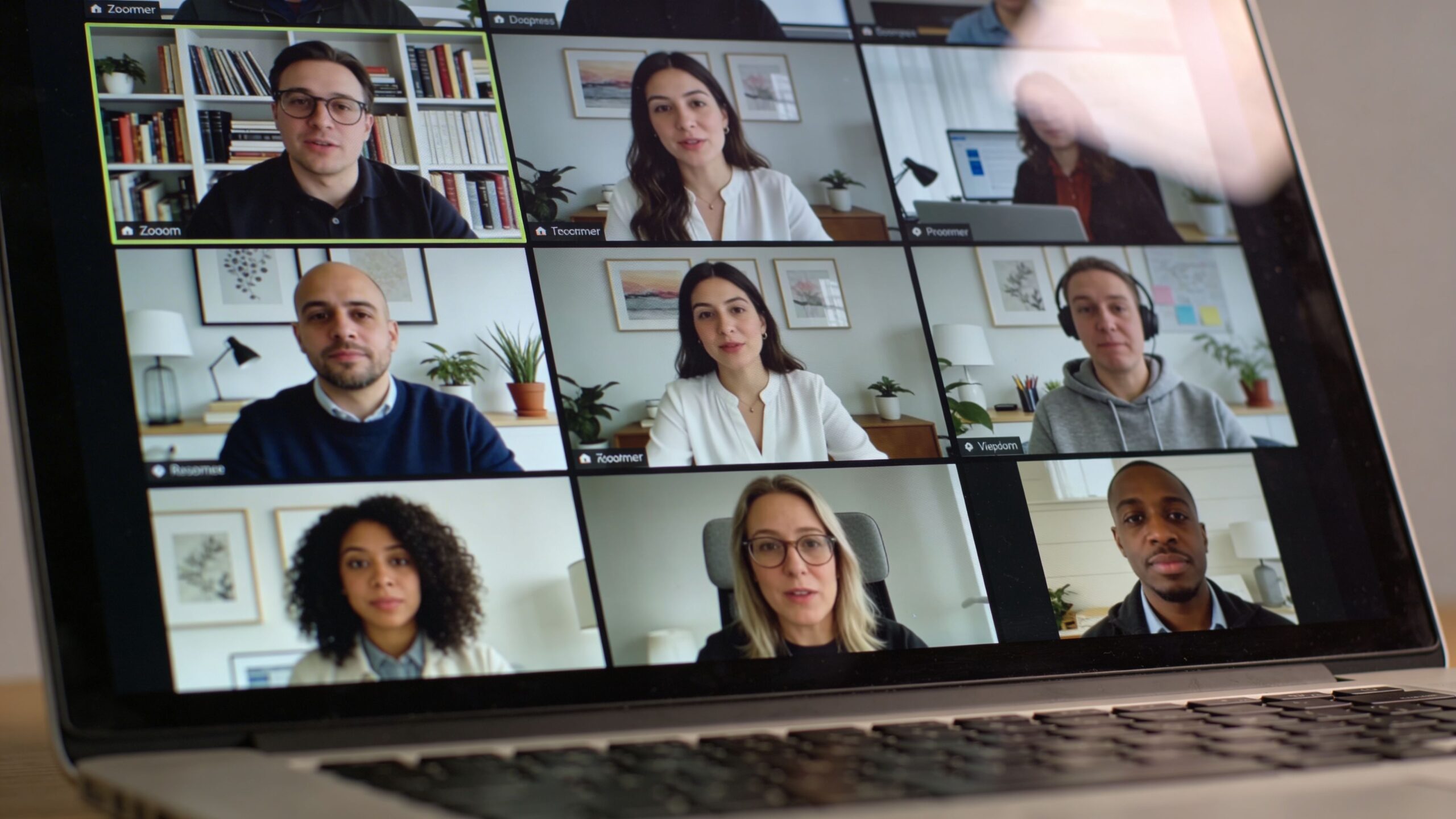
Interviews & Profiles is where Signal Streets gets personal—in the best way. Instead of only talking about tech, trends, and platforms, we zoom in on the people behind the signals: creators, analysts, builders, storytellers, and everyday users who notice patterns others miss. These articles highlight real journeys, honest lessons, and the small choices that shape big outcomes. You’ll find quick Q&As, long-form spotlights, and behind-the-scenes looks at how someone learned a craft, built a tool, launched a project, or changed their perspective after one surprising moment. We keep it friendly and easy to follow, even when the topic gets a little technical. Think of this page as a hallway lined with open doors—each one leads to a new voice, a new workflow, and a new way to see what’s happening across the signal landscape. Browse around, pick a profile that sparks your curiosity, and leave with fresh ideas you can actually use.

Core Signals
1. What makes a great interview: clear questions, real listening, and simple follow-ups.
2. Profile vs. interview: one is a conversation; the other is a full story about a person.
3. “Signal” in plain terms: a clue that tells you something meaningful is happening.
4. How we pick subjects: interesting work, unique perspectives, and useful lessons.
5. What we ask first: the origin story—how it started and why it mattered.
6. The “turning point” moment: one decision that changed the direction.
7. The toolbelt question: what apps, gear, or habits make their day easier.
8. The mistake question: what went wrong—and what they do differently now.
9. The myth-buster: one common belief they think people get wrong.
10. The takeaway: one small step readers can try today.
Data Bursts
1. Quick read tips: scan for the “why,” then the “how,” then the “what next.”
2. Red flags in claims: no examples, no specifics, and lots of vague “everyone knows.”
3. Green flags in advice: simple steps, real constraints, and honest trade-offs.
4. Pattern spotting: repeat ideas across different people—those are strong signals.
5. Timeline trick: ask “what changed” between version 1 and version 2.
6. The “two metrics” rule: one measure for quality, one for speed.
7. Beware vanity numbers: big counts don’t always mean real impact.
8. Small wins matter: tiny improvements often beat giant plans.
9. Simple note method: capture quotes, then your own summary in one sentence.
10. Follow the feedback loop: what they measure, review, and adjust each week.
Tech Toolshed
1. Recording basics: quiet room, close mic, and a backup device if possible.
2. Better calls: headphones reduce echo and make voices clearer.
3. Question bank: keep a reusable list, then tailor it per guest.
4. Warm-up questions: easy starters help people relax and speak naturally.
5. “Show me” prompts: ask for a real example, not a general opinion.
6. Story framing: problem → attempt → surprise → lesson → next step.
7. Note-taking shortcuts: mark timestamps when someone says a key line.
8. Fact-check habit: confirm names, dates, and numbers before publishing.
9. Clean transcripts: remove filler words, but keep the person’s voice.
10. Profile checklist: background, process, values, challenges, and future plans.
Hidden Frequencies
1. What people don’t say: hesitation can point to the real challenge.
2. “Off-script” gold: the best insights often arrive after the main answer.
3. Constraint reveals truth: time, budget, and energy shape every decision.
4. Values show up in choices: what they refuse to do is informative.
5. The hidden team: mentors, partners, and communities behind the scenes.
6. The real workflow: the messy middle between idea and finished result.
7. “One tool too many”: complexity creeps in—simplicity is a strategy.
8. The confidence curve: beginners over-guess, pros test and verify.
9. The quiet signal: consistency beats occasional bursts of intensity.
10. The context key: advice changes depending on goals and audience.
Waveform Wonders
1. The “first spark” story: what hooked them when they started.
2. Unexpected mentors: help often comes from surprising places.
3. Favorite failure: a mistake that turned into a strength later.
4. A day in the life: small routines that keep big work moving.
5. The weird breakthrough: the solution that felt wrong—until it worked.
6. The hardest question: what they still don’t have figured out.
7. The “aha” moment: when a pattern finally became clear.
8. The tool they outgrew: what they stopped using and why.
9. The best advice they ignored: and what happened next.
10. The future hunch: what they think is coming—and what to watch for.
Signal Sync FAQ’s
Q: Are these interviews super technical?
A: No—most are easy to follow, with plain explanations when needed.
Q: What’s the difference between an interview and a profile?
A: Interviews focus on Q&A; profiles tell a fuller story with context.
Q: How do you choose who to feature?
A: We look for useful lessons, honest stories, and fresh viewpoints.
Q: Can I skim these quickly?
A: Yes—look for the key lesson, the turning point, and the “try this” takeaway.
Q: Do you fact-check what guests say?
A: We verify details when we can and ask clarifying follow-ups.
Q: Will there be different types of people featured?
A: Yes—builders, creators, analysts, leaders, learners, and curious newcomers.
Q: What if I disagree with a guest’s opinion?
A: That’s okay—use it as a prompt to test ideas and form your own view.
Q: Can I suggest someone to interview?
A: Definitely—recommend people with a clear story and practical insights.
Q: What should I listen for while reading?
A: The constraints, the habits, and the feedback loops that guide decisions.
Q: What’s the best way to apply what I learn?
A: Pick one small idea and try it for a week, then adjust based on results.