

Sensor fusion systems are where scattered measurements turn into confident decisions. Instead of trusting a single sensor on its own, we blend readings from many sources—like cameras, radar, GPS, motion chips, and environmental sensors—into one, steady picture of what’s really going on. On Signal Streets, this sub-category is your friendly launchpad into that world. We’ll look at how cars “feel” the road using multiple sensors, how phones keep track of your steps and direction, and how robots stay upright and aware without getting dizzy. No advanced math, no intimidating formulas—just clear explanations, simple visuals, and practical examples. You’ll see how different sensors each have strengths and weaknesses, and how fusion can smooth out noise, fill in gaps, and catch mistakes before they cause trouble. Whether you’re curious about self-driving systems, smart buildings, or everyday gadgets, “Sensor Fusion Systems” will help you think like a signal conductor, mixing many noisy instruments into one reliable performance.
Core Signals
Data Bursts
Tech Toolshed
Hidden Frequencies
Waveform Wonders
Signal Sync FAQ’s
A: It’s a setup that blends data from several sensors to make one stronger, more reliable signal.
A: No. The core ideas—combine, compare, and smooth—are easy to grasp with everyday examples.
A: Even great sensors have blind spots; fusion lets different sensors cover for one another.
A: Phones, cars, drones, game controllers, and smart home devices all quietly use fusion.
A: Fusion logic compares them, looks at history, and often leans toward the more trustworthy pattern.
A: Yes. Starter boards and simple logging apps are enough to try basic ideas.
A: Not at all. It’s also useful for offline analysis, testing, and replaying tricky events.
A: Very. If sensors start from the wrong “zero,” the fused result will drift or lean.
A: Usually, but not magically. Poor sensors or bad setups can still cause trouble.
A: Try blending motion and position data for a small robot or board, then plot and compare the results.

Sensor Fusion Systems Explained: How AI Combines Signals for Smarter Decisions
An explainer on sensor fusion systems and how AI combines different signals for smarter decisions.
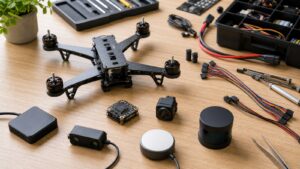
What Is Sensor Fusion? A Beginner’s Guide to AI Signal Intelligence
A beginner’s guide to sensor fusion and how AI signal intelligence combines multiple measurements.
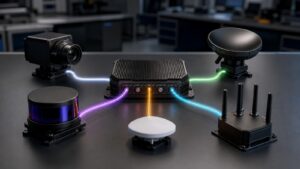
How AI Combines Camera, Radar, LiDAR, GPS, and Wireless Signals
See how AI combines camera, radar, LiDAR, GPS, and wireless signals to build a more reliable picture of the world.
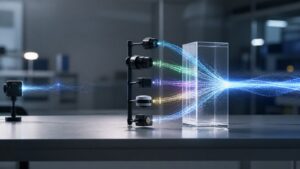
Sensor Fusion in AI: Why One Signal Is Never Enough
Understand sensor fusion in AI and why combining multiple signals can improve reliability when one input is not enough.