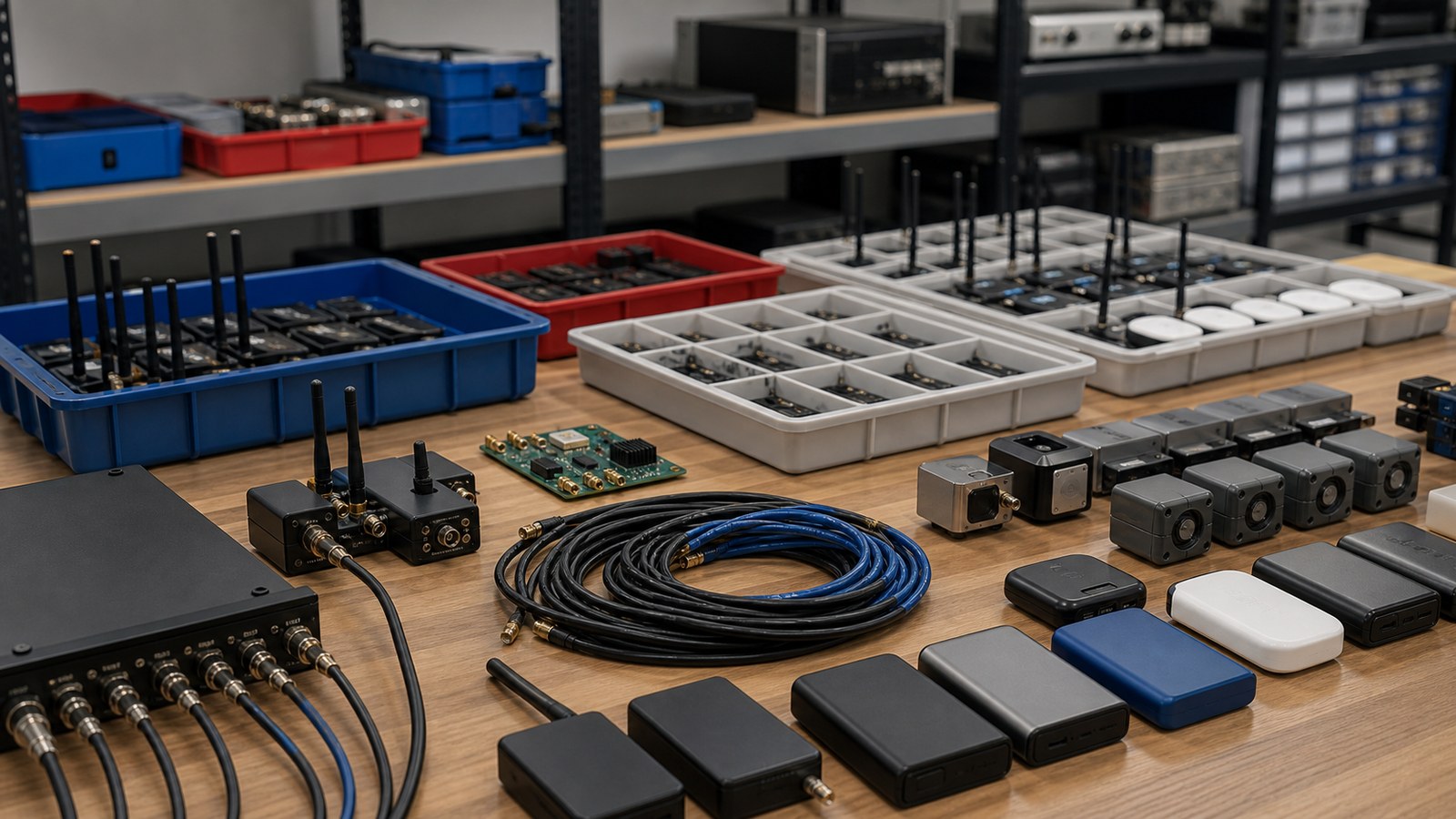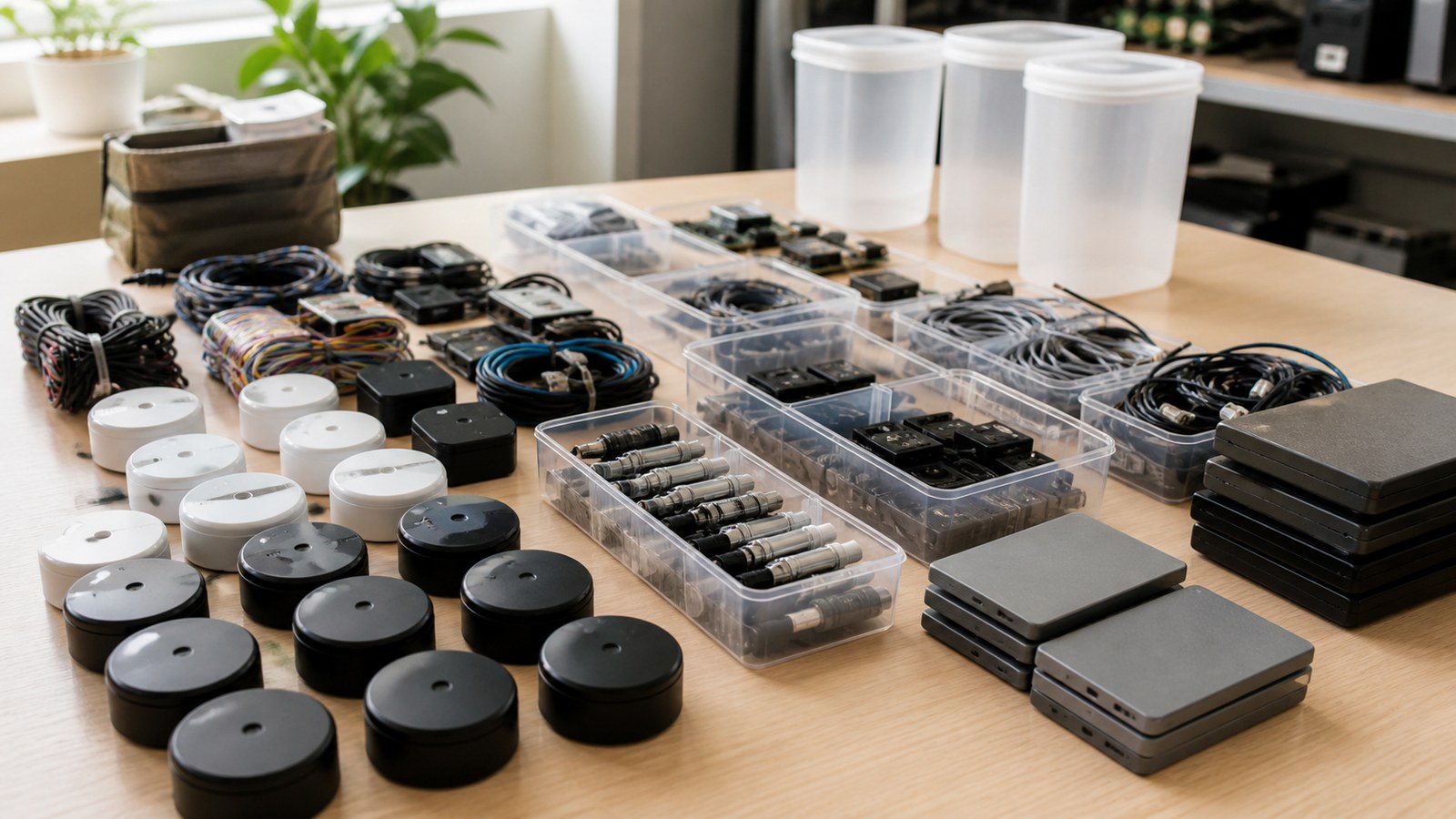
AI Signal Datasets Organize Examples for Learning
AI signal datasets are organized collections of examples that help machine learning systems learn from measured patterns. They may include wireless readings, electrical waveforms, sensor streams, audio segments, bio-signal traces, device logs, or labeled events. A dataset is not useful simply because it is large. It becomes useful when the examples are relevant, labeled or structured carefully, tested honestly, and connected to a clear signal intelligence task.
Datasets Give Models Examples
A model learns from the examples inside a dataset. Those examples define what patterns the model has a chance to notice.
If the dataset misses important conditions, the model may fail when those conditions appear. Coverage starts with collection.
Signal Examples Need Context
A signal example is more useful when it includes context such as time, location, device type, channel, sensor setup, and operating condition.
Context helps teams understand why a pattern appears. It also supports better testing and troubleshooting.
Labels Explain the Target
Labels identify what the model should learn. They may mark a class, event, state, fault, source, or expected output.
Weak labels create weak learning. Label definitions should be consistent enough that people and models can use them.
Unlabeled Data Can Still Help
Not every signal dataset needs labels at the start. Unlabeled data can support clustering, anomaly discovery, representation learning, and exploration.
Unlabeled examples still need organization. Teams should know where the data came from and what conditions it represents.
Sampling Shapes the Dataset
Sampling decides which examples enter the dataset. A dataset built from only easy or common cases may not prepare a model for real work.
Good sampling includes ordinary behavior and difficult edge cases. The balance depends on the task.
Time Stamps Matter
Signals often change over time. Time stamps help teams study sequence, delay, drift, seasonality, and event order.
Without time information, some signal patterns lose meaning. Timing is often part of the data, not just metadata.
Device Variation Matters
Different devices may measure the same event differently. Antennas, sensors, firmware, calibration, and placement can all change the signal.
A dataset should show enough device variation for the intended deployment. Otherwise the model may learn one device too narrowly.
Noise Should Be Represented
Real signal data includes noise, interference, missing samples, and measurement artifacts. A clean dataset may be too easy.
Including realistic noise helps the model prepare for deployment. The goal is not perfect examples; it is useful examples.
Data Cleaning Needs Care
Cleaning removes corrupted, duplicated, mislabeled, or unusable records. It can improve quality when done carefully.
Overcleaning can remove the very cases the model needs to handle. Teams should document what was removed and why.
Feature Fields Should Be Clear
A dataset should define each field clearly. Units, formats, ranges, and missing-value rules should be understandable.
Clear fields reduce mistakes during training and analysis. They also make the dataset easier to reuse.
Train and Test Splits Must Be Honest
A dataset is usually split into training, validation, and test groups. The split should prevent the model from seeing the answer too early.
For signal data, splitting by time, device, location, or event may be necessary. Random splitting can sometimes leak patterns.
Class Balance Affects Learning
Some signal events are rare. A dataset dominated by normal cases may teach a model to ignore unusual but important patterns.
Teams should examine class balance and choose metrics that reflect the real cost of mistakes.
Rare Events Need Special Attention
Rare events are often the reason a signal model exists. Faults, attacks, anomalies, and failures may be uncommon but important.
Collecting and labeling rare examples takes effort. Synthetic data or targeted collection may help, but both need validation.
Metadata Supports Trust
Metadata records how data was collected, processed, labeled, and stored. It helps future users understand the dataset's limits.
Good metadata prevents confusion. It also supports repeatable experiments and safer model updates.
Privacy May Shape Collection
Signal datasets can include sensitive patterns, locations, devices, voices, health traces, or user behavior.
Privacy rules should shape collection and storage from the start. Useful data should not require careless data handling.
Security Protects Dataset Integrity
A dataset can be damaged by tampering, poisoning, corruption, or unauthorized access.
Protecting data integrity protects the model. Teams should control access and track changes.
Versioning Makes Work Repeatable
Dataset versions help teams reproduce results. A model trained on one version may behave differently from a model trained on another.
Versioning also supports rollback and comparison. It makes dataset changes visible.
Synthetic Data Needs Validation
Synthetic signal data can fill gaps or create rare cases, but it must be checked against real behavior.
A model trained on unrealistic synthetic examples may learn patterns that do not exist. Validation keeps synthetic data useful.
Augmentation Adds Realistic Variety
Augmentation changes examples in controlled ways, such as adding noise, shifting timing, scaling amplitude, or masking samples.
Good augmentation reflects real variation. It should make the model stronger, not teach it strange artifacts.
Benchmarks Need Clear Rules
A benchmark dataset should define the task, split, metric, and evaluation process. Otherwise comparisons become messy.
Clear benchmark rules make progress easier to judge. They also reduce accidental score inflation.
Dataset Quality Beats Size Alone
A large dataset can still be weak if it is repetitive, mislabeled, narrow, or poorly documented.
Quality includes relevance, coverage, label consistency, realistic conditions, and honest evaluation. Size is only one factor.
Deployment Data Should Be Compared
After launch, new data should be compared with the training dataset. Differences can reveal drift or missing coverage.
This comparison helps teams decide whether retraining is needed. It also catches changes in devices or environments.
Dataset Review Should Be Ongoing
A signal dataset is not finished forever. New examples, new labels, and new edge cases can improve it over time.
Ongoing review keeps the dataset aligned with the system it supports. Signal intelligence changes as the world changes.
Final Dataset Takeaway
An AI signal dataset is the foundation that shapes what a model can learn.
The strongest datasets are relevant, documented, varied, protected, honestly split, and tested against the conditions the model will face.
Data Lineage Helps Investigation
Data lineage shows how an example moved from collection to storage, processing, labeling, and training.
Lineage helps teams investigate errors. It also shows whether a bad result came from collection, cleaning, labeling, or modeling.
Access Rules Protect Sensitive Signals
Dataset access should match the sensitivity of the signals. Some data can reveal behavior, location, identity, or operational patterns.
Access controls reduce risk. They also make collaboration safer when multiple teams use the same dataset.
Schema Changes Need Review
A dataset schema can change when fields are renamed, added, removed, or measured differently.
Schema review protects training pipelines. A quiet field change can weaken a model without causing an obvious crash.
Useful Datasets Support Questions
A dataset should support the questions the model needs to answer. Extra fields are not helpful if the key evidence is missing.
The best dataset design starts with the signal task and works backward to collection, labels, and tests.
Collection Plans Reduce Gaps
A collection plan helps teams decide which devices, conditions, events, and time periods need examples before training begins.
Planning reduces accidental blind spots. It also makes the dataset easier to defend when results are reviewed.
Dataset Limits Should Be Stated
Every dataset has limits. It may cover only certain hardware, signal types, environments, labels, or operating ranges.
Stating those limits prevents misuse. It tells teams where the trained model needs caution, testing, or more examples.
Collection Conditions Should Be Named
signal intelligence datasets improves when teams name the conditions behind each example. Device setup, timing, load, channel quality, and environment can all affect what the data means.
Those details make the dataset easier to evaluate. They also help teams separate real patterns from collection artifacts.
Weak Cases Deserve Attention
Weak cases often teach more than easy cases. Noisy, incomplete, delayed, crowded, or unusual examples show where the dataset may struggle.
Studying weak cases prevents overconfidence. It also gives teams better ideas for testing, thresholds, and follow-up review.
Averages Can Hide Risk
Average performance can look strong while important segments perform poorly. signal intelligence datasets should be checked across devices, times, conditions, and event types.
Segment review makes the trained model more trustworthy. It shows whether success is broad or limited to easy situations.
Repeatable Tests Build Confidence
A test is stronger when another person can repeat it with the same rules. Repeatability depends on clear data, clear splits, and clear metrics.
Repeatable testing reduces confusion. It helps teams compare model versions without changing the rules midstream.
Edge Cases Should Be Preserved
Edge cases may look inconvenient, but they often explain how the dataset behaves under pressure. Removing them too quickly can weaken evaluation.
A careful review keeps important edge cases visible. They become stress tests instead of discarded noise.
Operational Limits Should Be Measured
signal intelligence datasets should include operational limits such as memory, compute, bandwidth, latency, power, and human review time.
These limits decide whether the trained model can be used in practice. A strong offline result still needs operational fit.
Uncertainty Should Be Reported
Every signal system has uncertainty. Missing samples, weak labels, sensor drift, and changing conditions can all reduce confidence.
Reporting uncertainty helps users respond wisely. It shows when the dataset is ready for action and when it needs review.
Change History Explains Surprises
Changes in firmware, sensors, channels, collection rules, labels, or preprocessing can shift results suddenly.
A change history gives teams a place to look first. It can turn a confusing model shift into a traceable event.
Human Review Should Be Planned
Human review is useful when a signal decision has cost, risk, or unclear evidence. Review should be part of the workflow, not an emergency patch.
A planned review path protects users and teams. It keeps the trained model from being treated as automatic truth.
Clear Naming Prevents Confusion
Fields, labels, metrics, and outputs should have names that describe what they actually mean.
Clear naming reduces mistakes during analysis and handoff. It also helps new team members understand the dataset faster.
Examples Should Match the Use Case
The best examples are the ones that resemble the conditions where the system will be used. waveforms, packets, time stamps, device readings, labels, and operating conditions should be collected with that end use in mind.
Use-case fit matters more than volume alone. A smaller relevant dataset can be stronger than a large unrelated one.
Thresholds Need Business Context
Thresholds decide when a score becomes an alert, label, or action. They should reflect the cost of false alarms and missed events.
That context makes the dataset easier to tune. It also explains why one setting may fit one workflow and fail another.
Monitoring Should Continue After Launch
Launch does not freeze the signal environment. New devices, new users, changing loads, and updated software can all affect performance.
Ongoing monitoring keeps the trained model honest. It shows when the system still fits and when it needs maintenance.
Documentation Supports Better Handoffs
Documentation should explain what was collected, how it was processed, how it was tested, and where limits remain.
Good handoffs prevent repeated mistakes. They help teams maintain the dataset after the original build work is finished.
Practical Value Should Be Visible
The final question is whether the work improves a decision, reduces confusion, catches a problem, or makes a system easier to manage.
That practical value keeps signal intelligence datasets grounded. It reminds teams that the goal is not more data, but better signal understanding.