Sensor Fusion Systems Combine Signals for Better Decisions
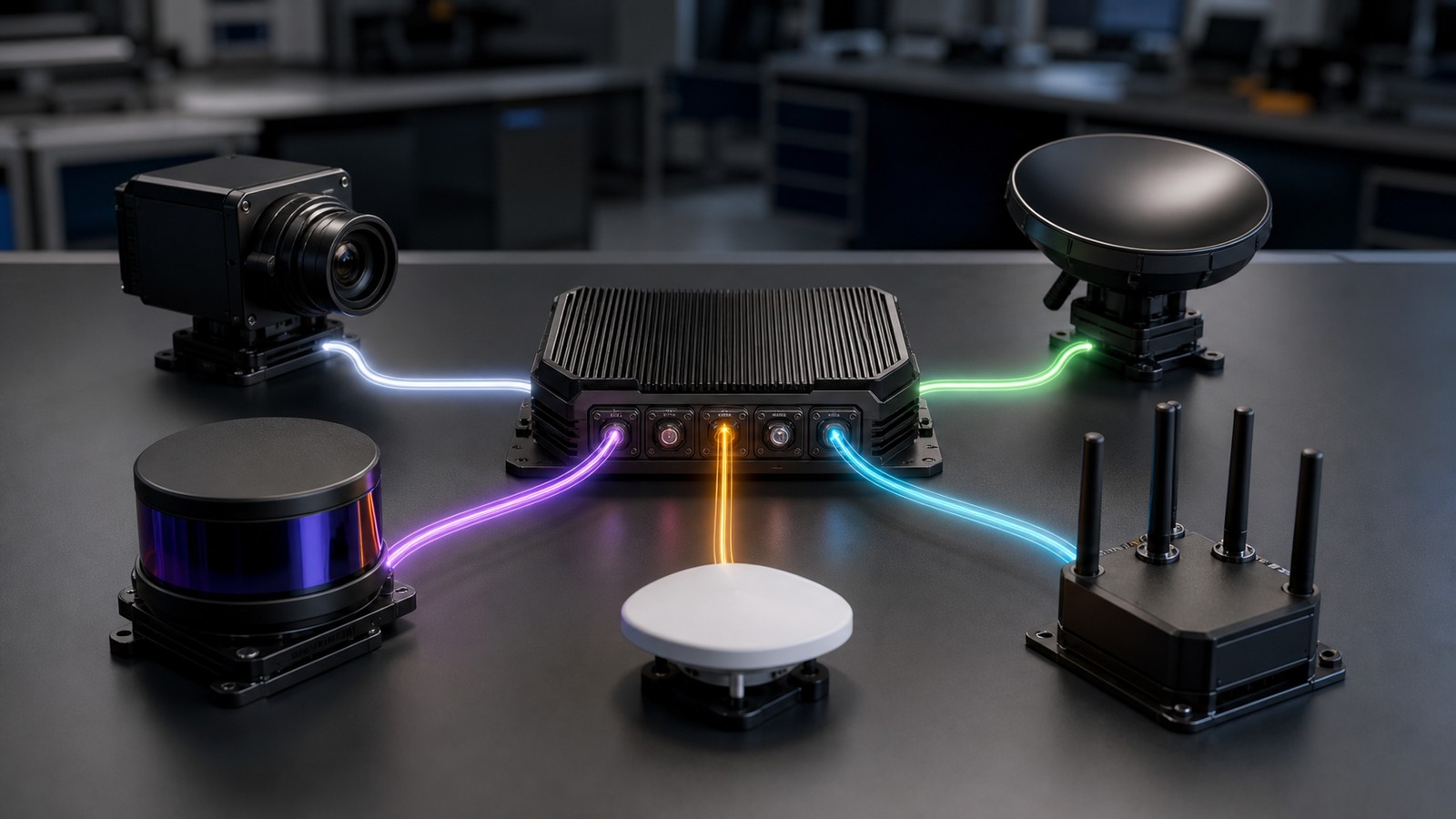
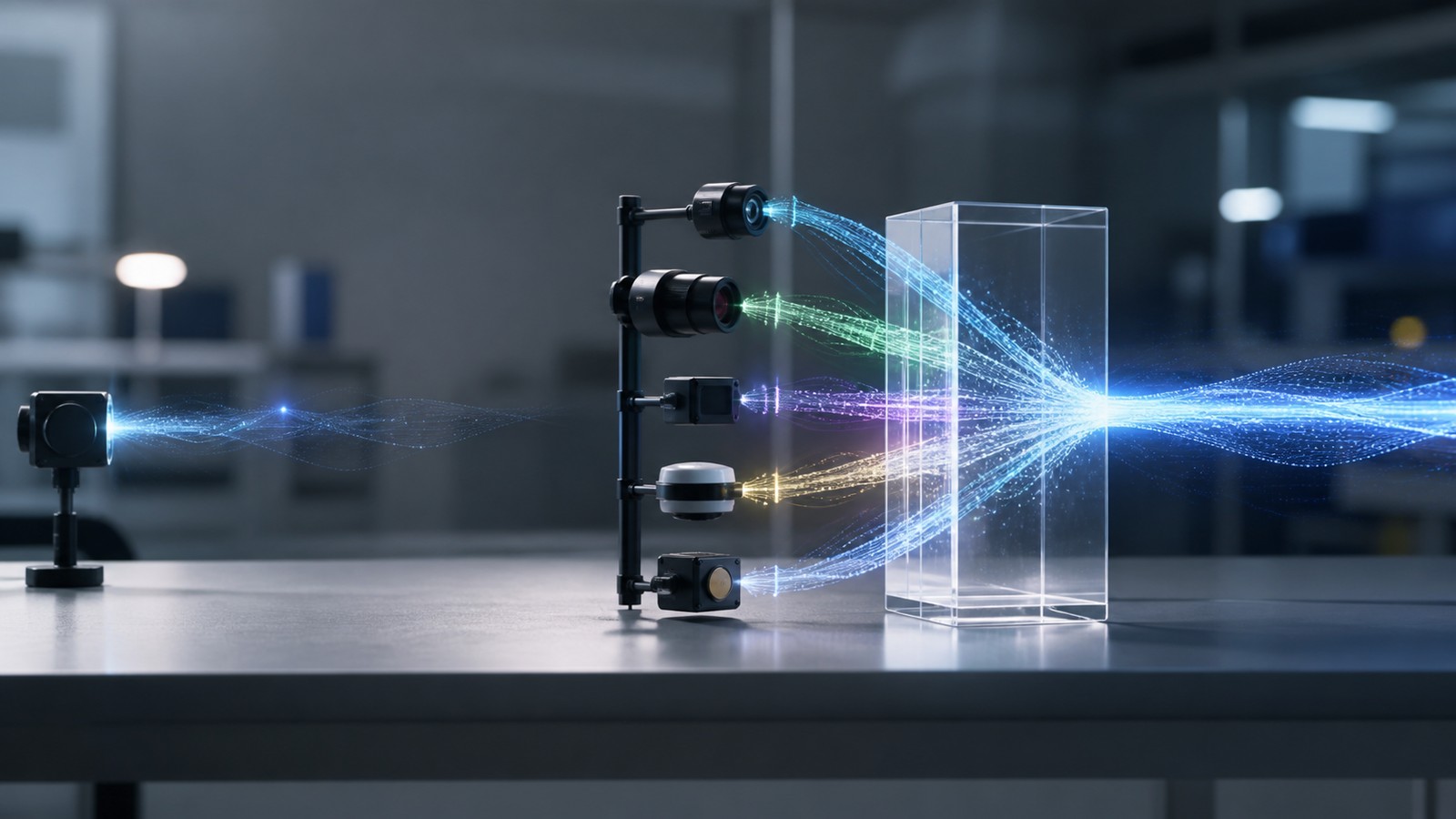
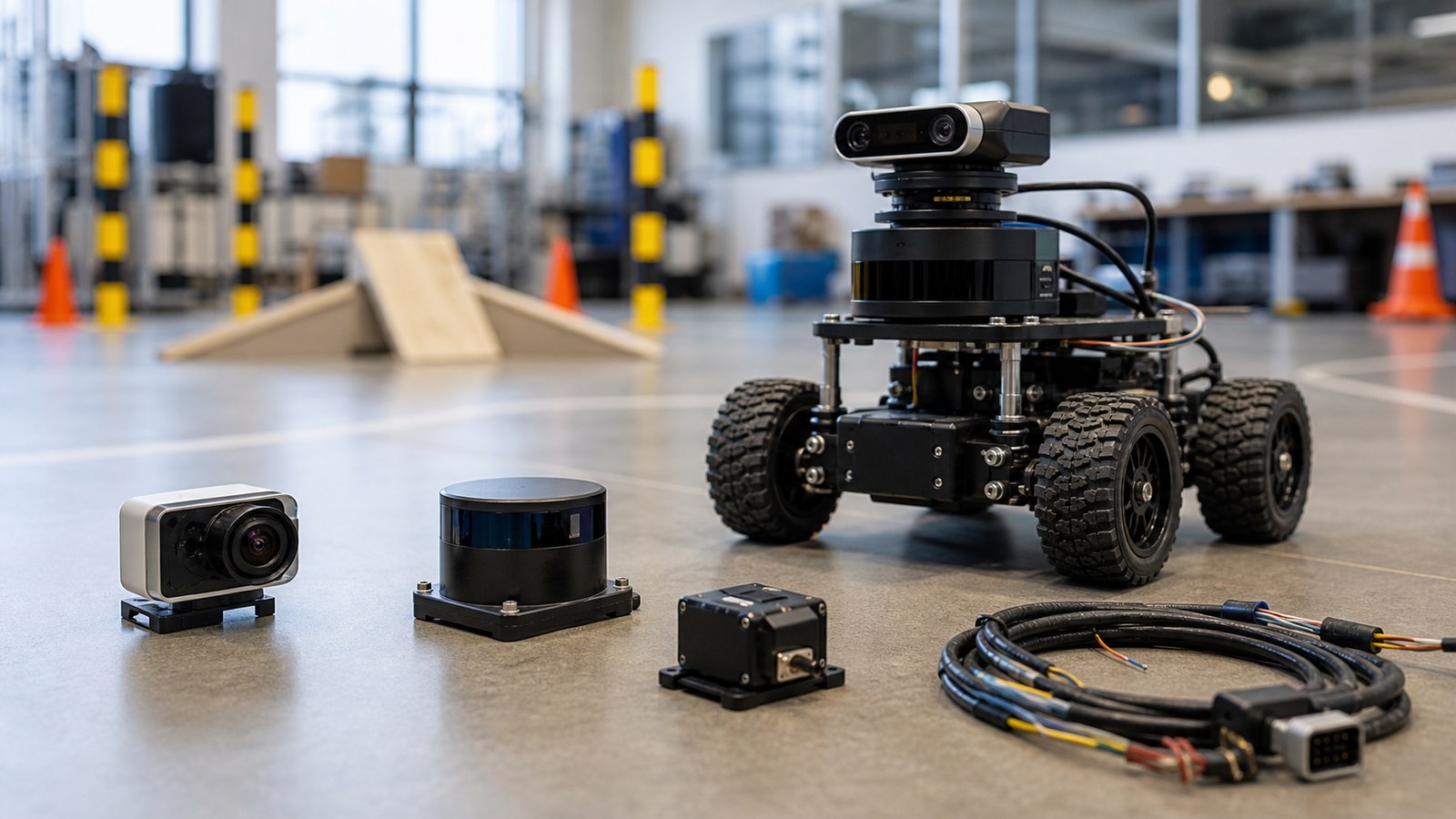
Sensor fusion systems bring different measurements together so machines can understand the world with more context. A single sensor may miss distance, motion, sound, location, depth, temperature, or timing details that another sensor captures. The combined system can support navigation, safety, monitoring, automation, and prediction, but only when the data is synchronized and evaluated honestly. Fusion is useful because it reduces blind spots, not because it makes the system look complex.
The Task Defines the Signal
sensor fusion systems should begin with the task the multi-sensor system needs to support. A signal is useful only when it helps answer that task more clearly.
That practical focus prevents data collection from drifting. It also shows whether the fused signal view is strong enough for the decision.
Each Input Has a Strength
Different inputs reveal different clues. visual, distance, movement, sound, location, environmental, and equipment data can all matter, but each one has limits.
Good design uses each input for what it measures well. It does not expect one signal to explain everything.
One Signal Can Mislead
A single reading can be noisy, blocked, delayed, poorly placed, or incomplete. Acting on that reading alone can create false confidence.
Comparing signals gives the multi-sensor system more context. It can confirm a pattern or reveal that more review is needed.
Timing Alignment Matters
Signals often arrive at different speeds. A fast trace, video frame, sensor reading, and event log may not describe the same moment.
Alignment helps the system compare the correct evidence. Poor timing can make unrelated events look connected.
Calibration Protects Meaning
Calibration connects a measurement with a known standard or expected range. Without it, readings may drift over time.
Calibrated inputs make the fused signal view easier to trust. They also make model behavior easier to compare across devices.
Placement Changes Data
Where a sensor sits can change what it measures. Contact quality, mounting angle, distance, light, vibration, and obstruction all matter.
Placement should be documented and checked. A placement problem can look like a real pattern if no one notices it.
Noise Is Part of Reality
Real signals include noise from devices, environments, motion, interference, and measurement limits.
The multi-sensor system should be tested with imperfect data. A design that only works on clean examples is not ready for real use.
Missing Data Needs a Plan
Signals can disappear when devices disconnect, batteries run low, samples drop, or a sensor is blocked.
The system should know how to respond when part of the evidence is missing. It may lower confidence, use a fallback, or ask for review.
Context Shapes Interpretation
The same reading can mean different things in a different robot, vehicle, smart building, industrial site, or connected device. Context tells the model what normal looks like.
Time, location, device type, user behavior, operating mode, and surrounding conditions can all change meaning.
Baselines Define Normal
A baseline shows typical behavior for a device, person, site, route, or operating state.
Baselines make unusual changes easier to identify. They also prevent ordinary variation from becoming constant alerts.
Labels Must Match the Goal
Labeled examples help the model learn what each pattern means. Weak labels can teach weak behavior.
Label definitions should match the task. If the labels are vague, the model may learn a pattern that is hard to use.
Sampling Rate Affects Detail
Sampling rate decides how often data is captured. Some events need fast sampling, while slower trends may need less frequent readings.
The sampling plan should follow the signal. Too little detail can miss events, and too much can waste resources.
Resolution Affects Sensitivity
Resolution controls how small a change the system can detect. Low resolution can hide subtle patterns.
Higher resolution is not always better if it adds cost, noise, or storage pressure. The detail should fit the task.
Preprocessing Changes the Evidence
Filtering, normalization, segmentation, and smoothing can make data easier to use, but they can also remove useful clues.
Preprocessing should be documented and tested. The team needs to know what changed before the model saw the data.
Feature Extraction Can Help
Feature extraction turns raw readings into measurements such as frequency content, timing, slope, peaks, variation, or event counts.
Good features can simplify the learning task. They can also make results easier to review.
Fusion Can Happen Early
Early fusion combines inputs before the model makes a decision. This can help the model learn relationships across signals.
Early fusion needs strong alignment and consistent formatting. If the inputs are mismatched, the model may learn confusion.
Fusion Can Happen Late
Late fusion lets separate models process separate inputs before combining results.
This can make troubleshooting easier and helps when one input is missing. The tradeoff is that subtle relationships may be harder to capture.
Weighting Should Be Tested
A model may give more weight to one input than another. That weighting should make sense under real conditions.
Testing should show whether the model overtrusts one signal. A weak but dominant input can damage the final result.
Confidence Should Reflect Evidence
Confidence should drop when signals are noisy, missing, contradictory, or outside the trained range.
Honest confidence helps people act wisely. It shows when the output is strong and when caution is needed.
Conflicting Signals Need Rules
Different inputs can disagree. One reading may suggest an event while another looks normal.
The multi-sensor system needs a plan for conflict. It may compare quality, ask for review, or wait for more evidence.
False Alarms Cost Attention
False alarms can make users stop trusting a system. They also waste time and create unnecessary follow-up work.
Precision matters when attention is limited. Alerts should be worth checking.
Missed Events Can Be Costly
A system can also fail by missing important events. This is especially serious for safety, health, maintenance, or security tasks.
Recall should be tested with difficult cases. Rare but important events should not disappear inside average scores.
Privacy Needs Early Planning
Signals can reveal sensitive behavior, health, location, identity, work patterns, or device activity.
Privacy planning should shape collection, storage, access, and retention. Useful signal intelligence should still be careful with personal or operational data.
Security Protects the Pipeline
Inputs, devices, models, logs, and updates can be attacked or altered. Bad evidence can produce bad decisions.
Security should protect the full path from measurement to output. Trust depends on more than the model.
Power and Compute Are Real Limits
Devices may have limited battery, memory, processing capacity, or heat tolerance.
The model should fit the hardware. A system that drains power or runs too slowly may not be practical.
Connectivity Cannot Be Assumed
Some systems operate where network access is limited, expensive, or intermittent.
Offline behavior should be defined. Local processing, delayed upload, and safe fallback rules can keep the system usable.
Metrics Need Balance
Accuracy, recall, precision, latency, uptime, drift, power use, and cost may all matter.
The metric mix should match the task. A single score rarely captures the value of sensor fusion systems.
Segment Testing Finds Gaps
Overall scores can hide weak spots. A model may work for one device, person, site, condition, or signal type and fail for another.
Segment testing shows where the system is reliable and where more work is needed.
Stress Tests Reveal Limits
Stress tests use difficult conditions such as noise, missing inputs, contradictory signals, and unusual events.
These tests show where the multi-sensor system becomes fragile. They also help set safe fallback behavior.
Ablation Tests Show Value
Ablation removes one input at a time to see how much it contributes.
This keeps the design honest. It can show whether every signal is helping or whether a simpler system would work.
Human Review Still Matters
Some outputs need human review, especially when confidence is low or consequences are meaningful.
Review rules should be planned before launch. They keep the multi-sensor system from pretending every case is easy.
Explainability Helps Use
People need enough explanation to understand why the system responded. The explanation may name the strongest signal, trend, threshold, or missing input.
Clear explanations make outputs easier to trust and easier to challenge. They support better action.
Logs Make Problems Traceable
Logs should capture key readings, timing, confidence, errors, versions, and output decisions without storing unnecessary sensitive data.
Traceable logs help teams diagnose failures. They show whether the problem came from data, modeling, hardware, or workflow.
Updates Need Version Control
Sensor changes, model updates, thresholds, labels, and preprocessing rules can all alter behavior.
Version control makes those changes visible. It also supports rollback when a new version performs worse.
Documentation Keeps the System Understandable
Documentation should explain inputs, units, placement, calibration, labels, metrics, privacy rules, and known limits.
Good documentation helps future teams maintain the multi-sensor system. It prevents the system from becoming a mystery after launch.
Deployment Should Match Reality
A system tested only in ideal conditions may struggle in the actual robot, vehicle, smart building, industrial site, or connected device.
Deployment tests should include real noise, real timing, real users, and real device limits. That is where readiness becomes clear.
Operational Fit Is the Final Test
The output should support a real workflow, alert, forecast, control action, diagnosis, or investigation.
If the output does not lead to a useful next step, the design needs more work. Practical value is the point.
Maintenance Protects Long-Term Value
Signals change as devices age, users adapt, environments shift, and software updates arrive.
Maintenance keeps the multi-sensor system aligned with reality. It includes monitoring, review, recalibration, and planned updates.
Final Takeaway
sensor fusion systems works best when each signal is measured well, interpreted in context, tested honestly, and maintained after deployment.
The goal is to turn several measurements into one clearer operating picture. Strong signal intelligence comes from trustworthy evidence, not from collecting more inputs than the task needs.
Data Retention Needs Rules
Teams should decide which raw readings, summaries, alerts, labels, and logs need to be kept.
Retention rules reduce clutter and risk. They also preserve the evidence needed to investigate future problems.
Summaries Can Reduce Load
A system may summarize long streams into events, averages, ranges, peaks, or confidence reports.
Summaries can save storage and bandwidth, but they should not remove the details needed for review. The summary should match the task.
User Feedback Improves Maintenance
People using the system can notice confusing alerts, missed events, strange timing, or output that does not fit the situation.
Structured feedback helps the team improve thresholds, labels, and deployment rules. It turns daily use into a maintenance signal.
Field Checks Keep Models Grounded
A field check compares the system output with what is actually happening in the environment.
These checks catch placement problems, device failures, unexpected noise, and weak assumptions. They keep the model connected to reality.
Anomaly Review Needs Discipline
An unusual signal is not automatically a problem. It may be a real event, device noise, drift, or normal behavior in a new context.
A disciplined review asks what else confirms the pattern and what action is justified. That prevents overreaction.
Trend Review Finds Slow Change
Some important changes happen slowly. Drift, fatigue, wear, seasonal change, and repeated small errors may not trigger a single dramatic alert.
Trend review catches gradual movement. It complements real-time alerts by showing the direction of change over time.
Governance Prevents Quiet Changes
Governance defines who can change sensors, thresholds, labels, models, access, and update schedules.
Clear ownership prevents quiet drift. It also makes important changes easier to explain later.
Rollouts Should Be Staged
A staged rollout lets the team watch behavior before the system carries full responsibility.
The system can begin with observation, then advisory alerts, then controlled action. This approach lowers risk while trust grows.
Auditability Supports Trust
An auditable system keeps enough information to explain important outputs after the fact.
Auditability helps with troubleshooting, compliance, and user confidence. It shows what data, model version, and settings shaped the result.
Long-Term Value Depends on Care
The first launch proves that the system can work. Long-term value depends on care after launch.
Monitoring, calibration, review, documentation, and updates keep sensor fusion systems useful as signals and operating conditions change.