Low-Pass Filters Smooth Signals by Reducing High Frequencies
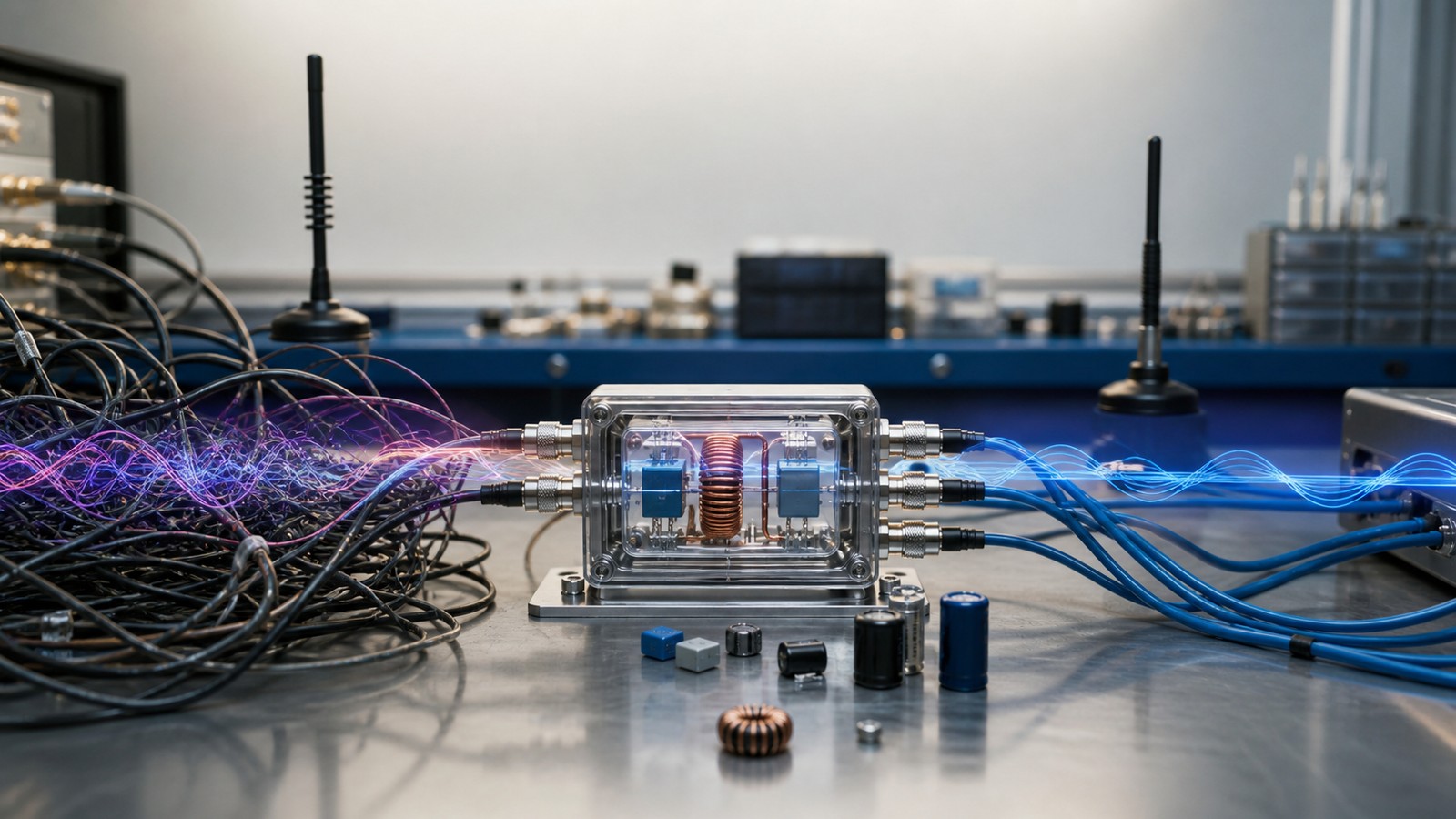
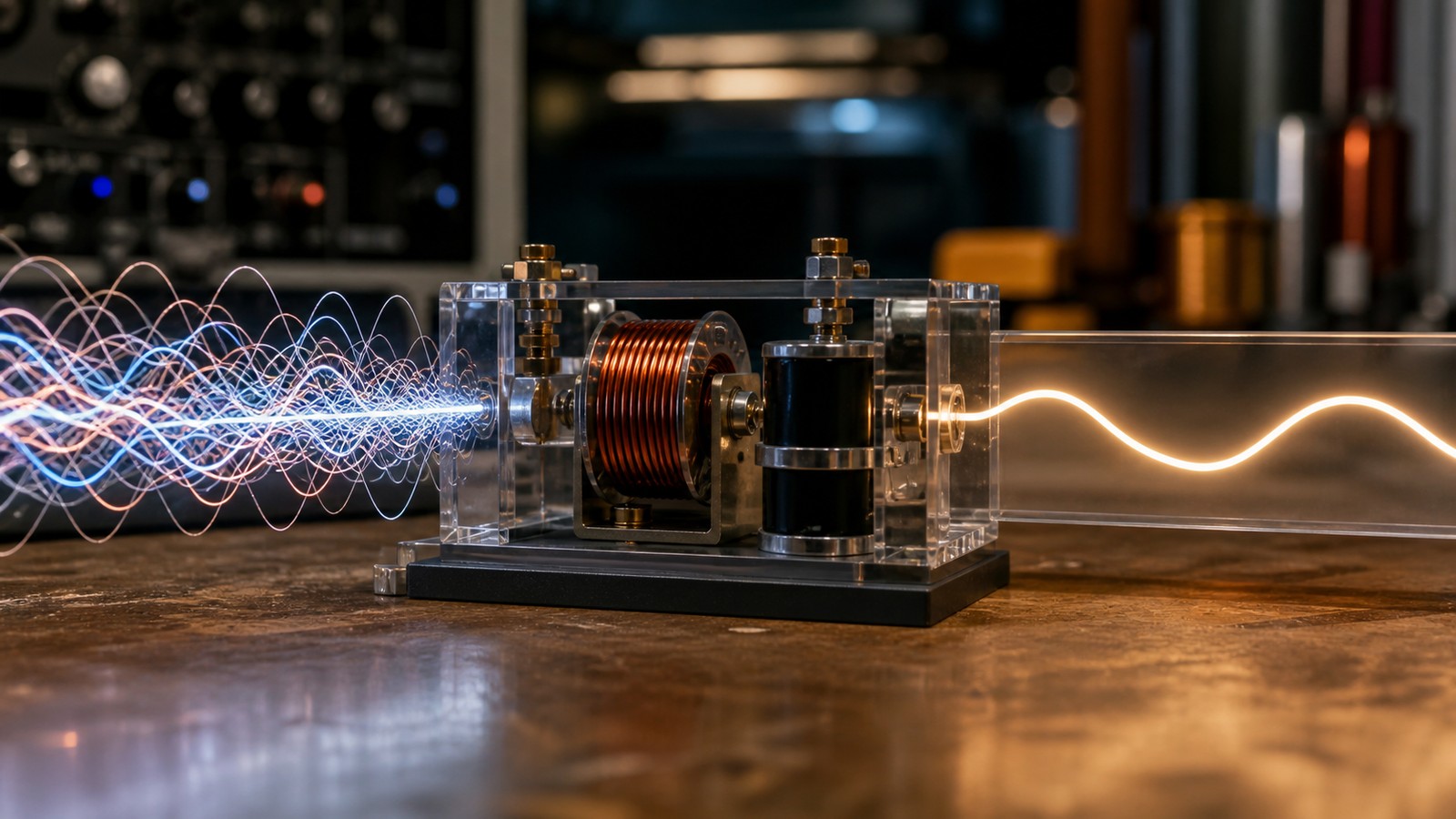
Low-pass filters smooth noisy signals by allowing slower changes to pass while reducing faster changes. They are used in audio, sensors, wireless systems, biomedical data, power measurements, control systems, and many other signal workflows. A low-pass filter can make a trend easier to see, reduce hiss or jitter, and prepare data for analysis. It must be chosen carefully, because too much smoothing can hide real events and make a signal look cleaner than it truly is.
Low-Pass Means Low Frequencies Pass
A low-pass filter keeps slower frequency content and reduces faster frequency content. The name describes what passes through the filter.
This is useful when the important signal changes slowly and the unwanted noise changes quickly.
Smoothing Is the Common Effect
When high-frequency variation is reduced, the signal often looks smoother in time view.
Smoothing can make trends easier to see, but it can also soften sharp events. Engineers need to know what details they are willing to lose.
Cutoff Frequency Sets the Boundary
The cutoff frequency marks the transition between frequencies mostly kept and frequencies increasingly reduced.
Choosing the cutoff is the main design decision. A cutoff that is too low removes useful detail, while one that is too high leaves too much noise.
Roll-Off Is Gradual
Real filters usually do not stop frequencies instantly. Roll-off describes how quickly the filter reduces content beyond the cutoff.
A steeper roll-off gives stronger separation, but it may introduce other tradeoffs such as phase effects or ringing.
Noise Is Not Always High Frequency
Low-pass filters work best when the unwanted noise is faster than the useful signal.
If the noise overlaps the same frequency range as the signal, a low-pass filter may not separate them well. Context matters.
Sensor Data Often Benefits
Temperature, pressure, motion, and other sensor readings often contain small rapid fluctuations that can distract from the main trend.
A low-pass filter can make these readings easier to use. The filter should preserve changes that matter for control or alerting.
Audio Uses Low-Pass Filtering
In audio, low-pass filters can reduce hiss, soften brightness, shape tone, or prepare signals for other processing.
The effect is audible because high frequencies contribute brightness and detail. Too much filtering can make sound dull.
Control Systems Need Caution
Control systems may use low-pass filters to reduce noisy measurements before making adjustments.
Too much filtering can add delay. A controller may respond late if the filter hides fast changes that matter.
Wireless Signals Use Filtering
Wireless receivers use filtering to limit unwanted frequencies and focus on the channel of interest.
Filter design affects interference rejection, bandwidth, and signal quality. It is part of the receiver’s front-end behavior.
Phase Can Shift
Some low-pass filters shift the timing of signal components. This phase shift can matter in control, audio alignment, and measurement.
Engineers should check whether timing distortion is acceptable. A smooth signal that is late may be a problem.
Digital Filters Need Sampling Care
Digital low-pass filters depend on sample rate and filter design. The cutoff must make sense relative to the sampled data.
If the signal is sampled poorly, filtering cannot fix all problems. Anti-aliasing may be needed before sampling.
Moving Averages Are Simple Filters
A moving average is a simple low-pass filter. It smooths a signal by averaging nearby points.
Moving averages are easy to understand, but they can blur edges and lag behind changes. They are not always the best filter.
Filter Order Changes Behavior
Filter order affects how steeply the filter rolls off and how it behaves near the cutoff.
Higher order can give stronger filtering, but it may add complexity and side effects. The design should fit the task.
Before and After Views Help
A filter should be reviewed by comparing the original and filtered signal. This shows what changed.
The comparison can reveal whether the filter removed noise, removed useful detail, or introduced delay.
What to Check Next
Teams should check cutoff frequency, roll-off, delay, phase, sample rate, and whether the noise is actually high frequency.
They should also test the filter on real examples, including edge cases and important events.
Deployment Notes
Deployment should document filter settings and monitor whether the filtered signal still supports the intended decision.
If the signal environment changes, the filter may need retuning. A fixed cutoff is not always permanent.
Practical Review
A practical filter review asks whether smoothing made the signal easier to interpret without hiding important behavior.
The right filter improves the decision. It does not simply make the chart prettier.
Final Takeaway
Low-pass filters reduce high-frequency content so slower signal patterns are easier to see.
They are useful when chosen carefully, tested against real signals, and reviewed for timing and detail loss.
Smoothing Should Preserve Events
A low-pass filter should smooth unwanted noise without erasing the events the system needs to detect.
Teams should test the filter on examples with real changes, not only quiet data. This shows whether important movement survives.
Cutoff Choices Should Be Explained
The cutoff frequency should have a reason tied to the signal and the noise. A guessed cutoff can create false confidence.
Explaining the cutoff makes the filter easier to review, tune, and defend later.
Filtered Data Needs Labels
Dashboards and reports should clearly show when data has been filtered. Users should not confuse smoothed data with raw measurement.
This transparency matters when timing, peaks, or event strength influence decisions.
Final Low-Pass Review
A final review asks whether smoothing improved interpretation while preserving timing and meaningful changes.
A low-pass filter is successful when it reduces distraction without hiding the signal behavior that matters.
Low-Pass Filtering Is a Tradeoff
Every low-pass filter trades detail for smoothness. The filtered signal may be easier to read, but some fast movement is reduced.
This tradeoff is acceptable only when the removed movement is less important than the clearer trend. The decision should be intentional.
Cutoff Should Match the Signal
A cutoff frequency should be chosen from knowledge of the useful signal and the unwanted noise.
If useful events happen quickly, a low cutoff may hide them. If the useful signal changes slowly, the same cutoff may work well.
Delay Can Affect Decisions
Many smoothing filters introduce delay because they use surrounding or recent samples to reduce noise.
Delay matters in control, alarms, and monitoring. A smooth warning that arrives late may not be useful.
Step Responses Reveal Behavior
Testing a filter with a step change can show how quickly it responds and whether it overshoots or rings.
This is a simple way to understand filter behavior before using it on critical data.
Noise Floors Can Change
The amount and type of noise in a signal can change over time. A filter tuned for one condition may be weak under another.
Teams should review filter performance after sensor changes, environment changes, or new operating modes.
Low-Pass Filters Support Feature Engineering
Filtered signals can produce more stable features for AI models. Rolling trends, smoothed readings, and reduced jitter may improve prediction or classification.
The feature pipeline should record whether a signal was filtered. Otherwise, model behavior may be hard to explain later.
Raw and Filtered Views Both Matter
Raw data preserves full detail, while filtered data makes the main movement easier to see.
Teams should keep both when possible. Raw views help investigate events that smoothing may hide.
Filter Settings Need Version Control
Changing a filter setting can change alerts, model inputs, and reported values.
Version control helps teams understand why outputs changed. It also supports repeatable analysis.
Useful Smoothing Helps Interpretation
A good low-pass filter makes the important pattern easier to see without pretending the signal is perfect.
Users should understand that smoothing is processing, not reality itself. The filtered signal is a useful view.
Final Smoothing Check
Before deployment, teams should confirm that the filter preserves important events and improves the intended decision.
After deployment, they should monitor whether smoothing still fits the signal environment.
Low-Pass Filters Can Prepare Data
Low-pass filtering often prepares data for later analysis by reducing fast variation that is not useful for the task.
This can help feature extraction, trend detection, and visualization. The filter should be treated as part of the pipeline, not an invisible cleanup step.
Anti-Aliasing Is a Special Use
Before sampling, a low-pass filter can reduce frequencies that would otherwise alias into false lower-frequency content.
This is called anti-aliasing, and it matters in measurement systems. Once aliasing occurs, digital processing may not be able to separate the false content.
Filter Delay Should Be Measured
If a filtered signal controls an alert or device response, delay should be measured and documented.
Delay can be acceptable in slow monitoring and unacceptable in fast control. The use case decides how much lag is safe.
Edge Effects Need Attention
Filters can behave strangely at the beginning and end of a data window because they lack surrounding samples.
These edge effects can create misleading starts or endings in charts. Analysts should avoid overreading those areas.
Low-Pass Filters Can Hide Spikes
Sharp spikes often contain high-frequency content. A low-pass filter may reduce or smear them.
This can be helpful when spikes are noise and harmful when spikes are real events. Testing should include both cases.
Filter Strength Should Be Adjustable
Some systems benefit from adjustable smoothing. Users may need a raw view, light smoothing, and heavy smoothing for different questions.
Adjustability should be controlled and labeled. Otherwise two users may compare different filtered views without realizing it.
Final Deployment Check
Before launch, teams should compare raw and filtered data across normal, noisy, and event-heavy periods.
After launch, they should review whether filtering still supports the original decision as signal conditions change.
Filtering Should Match Alert Logic
If filtered data drives an alert, the alert logic should be designed around the filtered signal’s delay and smoothing behavior.
Otherwise the system may alert later than expected or miss brief events. Filtering and alerting should be reviewed together.
Low-Pass Filters Help Trend Reports
Trend reports often benefit from low-pass filtering because they focus on broad movement rather than every small fluctuation.
The report should still make clear that the line is smoothed. Users may need raw values when investigating a specific event.
Filter Choice Should Be Tested Visually
Visual comparison is not enough by itself, but it helps teams understand the effect of a filter quickly.
Overlaying raw and filtered signals can show lost peaks, added delay, and improved readability. That view makes tuning easier.
Good Smoothing Reduces Cognitive Load
A well-chosen low-pass filter can reduce the amount of noise a user has to mentally ignore.
This makes charts, alerts, and model inputs easier to work with. The benefit is clearer attention, not artificial certainty.
Low-Pass Filters Need Practical Limits
A low-pass filter should not be used as a universal cleanup tool. It works best when the useful signal is slower than the unwanted variation.
If the problem is drift, missing data, narrow interference, or a sensor fault, another method may be better. Choosing the right tool protects the signal.
Filtered Models Need Retraining Care
If a model was trained on unfiltered data, adding a low-pass filter before deployment can change the meaning of its inputs.
Teams should retrain or retest models when filter settings change. The filtered signal may look cleaner but behave differently for the model.
Final Smoothing Takeaway
Low-pass filtering is most valuable when it improves readability while preserving the timing and shape that matter.
The filter should help people and models understand the signal, not hide the evidence they need.