Environmental Signals Help AI Read Real Conditions
Environmental signals help AI systems understand the physical world instead of relying only on fixed rules or stored records. Air quality, humidity, temperature, vibration, pressure, light, motion, water level, sound, and chemical readings can all show what is happening around a machine, building, farm, vehicle, or utility system. The value comes from turning those readings into practical context. When environmental data is collected carefully and reviewed against real outcomes, AI can detect changing conditions earlier and support better decisions.
Signals Start With Sensors
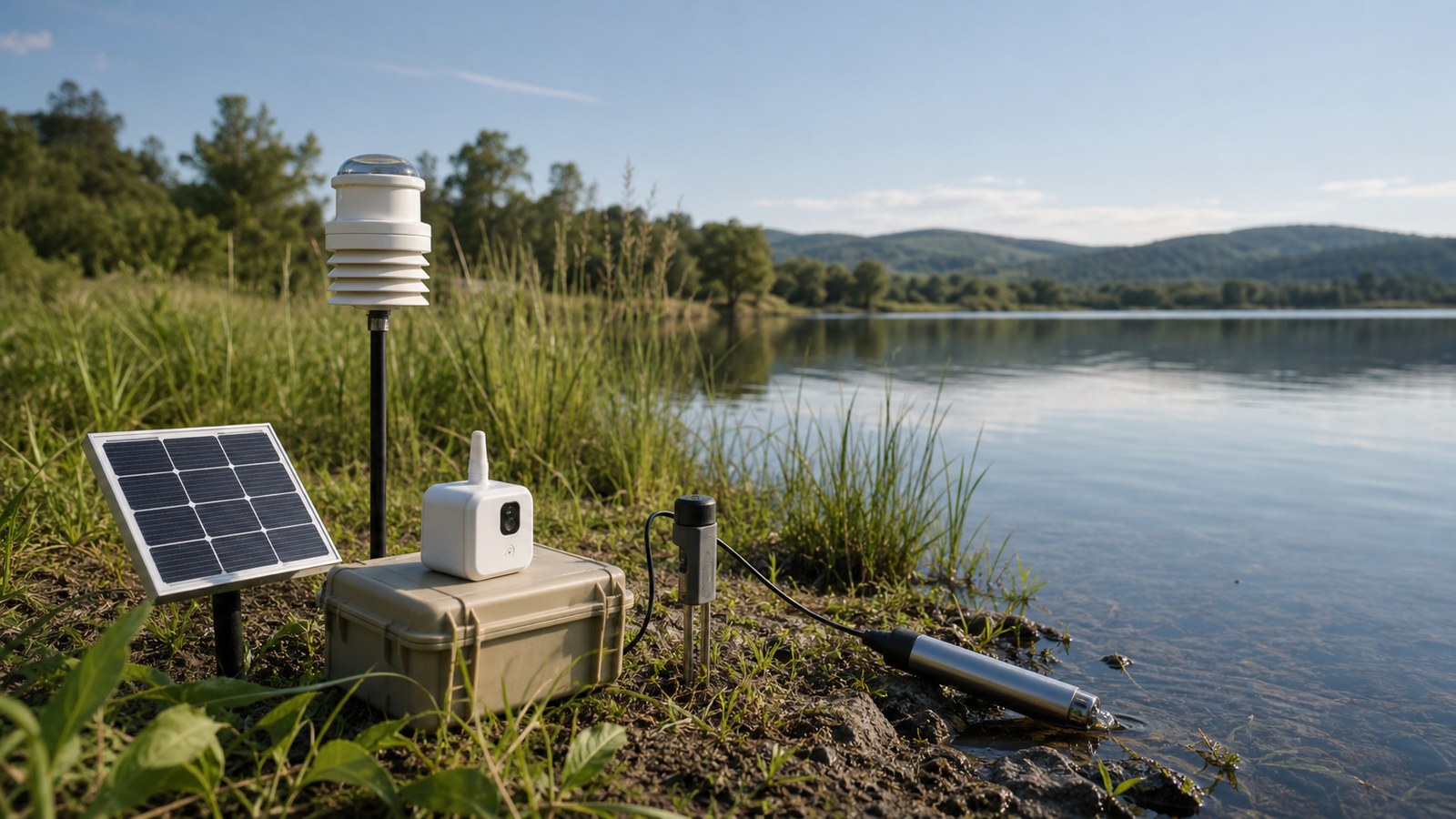
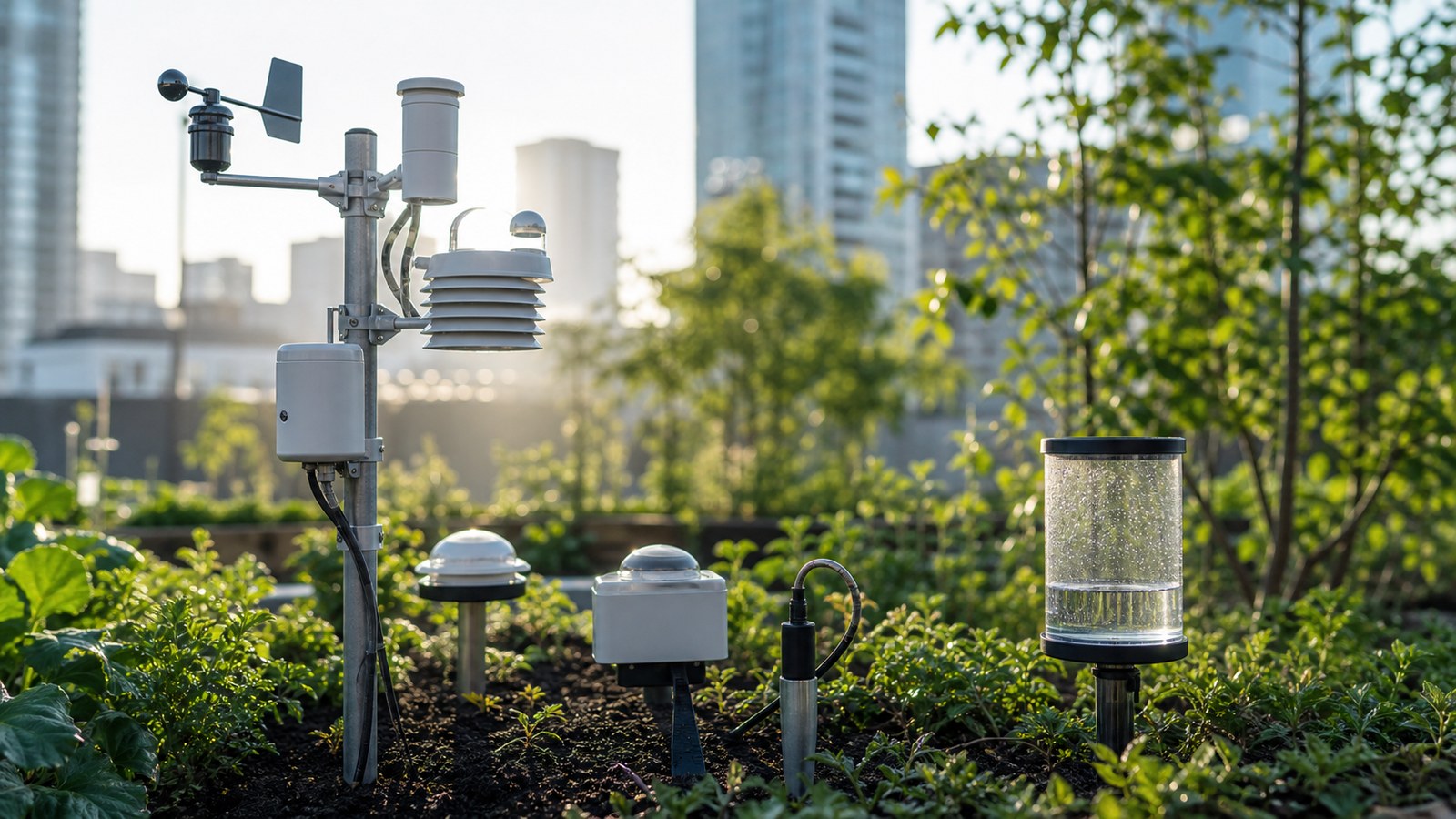
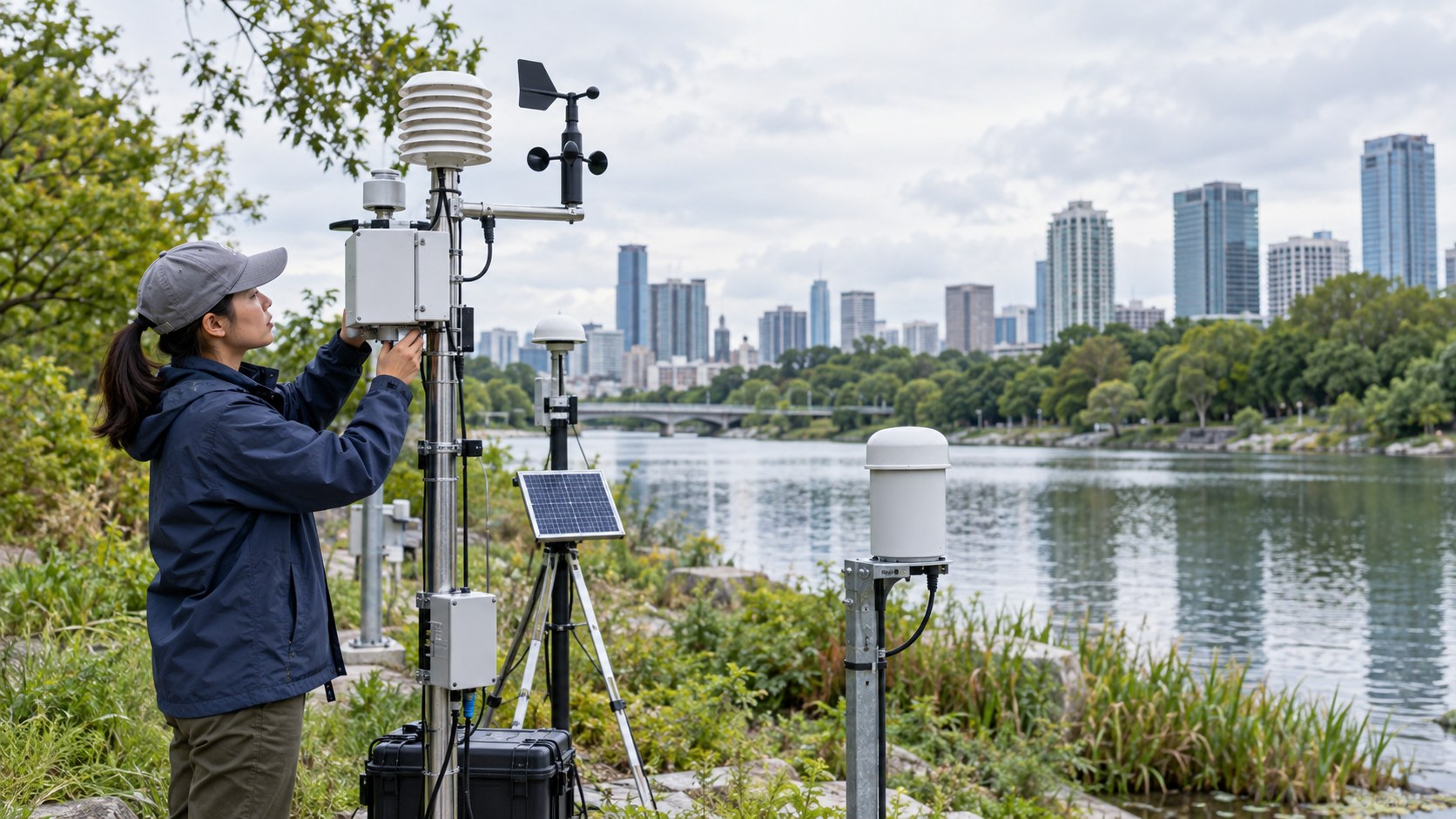
Environmental AI begins with sensors placed where conditions matter. A sensor may track heat near equipment, moisture in soil, particles in the air, vibration on a motor, or water pressure in a pipe.
The location of the sensor matters as much as the model. A reading from the wrong place can describe the surrounding area poorly, even if the sensor itself is accurate.
Strong systems start by asking what decision the signal should support. That keeps the project tied to a real outcome instead of collecting data for its own sake.
Context Makes Readings Useful
A single environmental reading rarely tells the whole story. Temperature may matter differently depending on humidity, airflow, sunlight, machine load, season, and time of day.
AI becomes useful when it compares several signals together. A pattern that looks normal in one setting may be a warning sign in another.
Context also helps reduce false alarms. The system can learn the difference between ordinary variation and a change that deserves attention.
Noise Needs Careful Handling
Environmental signals can be messy. Wind, vibration, dust, poor placement, aging hardware, and nearby activity can affect readings.
AI systems need filtering, calibration, and quality checks before the data is trusted. If bad readings enter the model, the output may look precise while pointing in the wrong direction.
A good workflow treats sensor health as part of the signal. Missing data, flat readings, sudden jumps, and impossible values should be flagged before decisions are made.
Real-Time Signals Support Fast Action
Some environmental decisions need fast response. A building may need ventilation changes, a machine may need shutdown, a utility system may need pressure adjustment, or a farm may need irrigation control.
Real-time monitoring helps when conditions change faster than a manual review cycle. AI can watch for combinations of readings that signal risk or opportunity.
Fast action still needs limits. A system should know when to alert, when to recommend, and when to wait for human confirmation.
History Reveals Patterns
Longer histories can show trends that are hard to see in the moment. Seasonal changes, equipment aging, recurring temperature spikes, or gradual water quality shifts may only appear after weeks or months of data.
AI can compare current readings with past baselines. This helps teams notice when an environment is drifting away from normal conditions.
Historical review also improves planning. Instead of reacting to every event, teams can schedule maintenance, adjust settings, or change procedures before trouble becomes urgent.
Environmental AI Needs Boundaries
Environmental signals can influence important decisions, so the model should not be treated as magic. The system needs a clear scope, known limits, and a plan for uncertain readings.
A model trained in one building, region, machine type, or climate may not transfer perfectly to another. Local testing is important before the same logic is used elsewhere.
Boundaries make the system safer. They define when the AI can act, when it should recommend, and when people need to review the evidence.
People Still Interpret the Outcome
AI can detect patterns quickly, but people still need to interpret what those patterns mean for the operation. A warning about heat, moisture, or air quality may require maintenance, cleaning, redesign, or policy changes.
The output should be written in a way users can act on. A vague score is less helpful than a clear signal, location, confidence level, and suggested next step.
When environmental AI supports people rather than replacing judgment, it becomes easier to trust and improve.
What to Check Next
Teams should begin with the decision, not the sensor list. The best question is what condition needs to be understood and what action will change if the signal is reliable.
They should review sensor placement, sampling rate, calibration, and maintenance. A model cannot recover all the detail lost by poor measurement.
The project should include examples of normal, borderline, and risky conditions. Those examples help the AI learn patterns that match real operating needs.
A final check should ask whether the system reduces uncertainty for the people using it. If it only adds dashboards, the design needs sharper purpose.
Deployment Notes
Deployment should start with a limited environment where readings can be compared with real observations. This helps catch sensor problems before the model is trusted more broadly.
Alerts should be tuned carefully. Too many false alarms teach users to ignore the system, while too few alerts may hide real change.
Teams need a process for sensor replacement and recalibration. Environmental systems often fail slowly, so drift can be easy to miss.
Data retention should match the use case. Short-term control, long-term trend analysis, and compliance review may each need different records.
Final Takeaway
Environmental signals give AI a practical way to read real-world conditions. They help machines, buildings, farms, vehicles, and infrastructure respond to what is happening now instead of relying only on static assumptions.
The strongest systems combine good sensors, clean data, local context, historical baselines, and human review. They treat environmental readings as evidence, not as automatic truth.
When the design stays tied to real decisions, environmental AI can make operations more responsive, efficient, and understandable.
Where Environmental Signals Create Value
Environmental signals are most useful when they change a decision that already matters. A facilities team may use heat and airflow readings to tune ventilation, while a utility team may use pressure and vibration to spot stress before service is interrupted. The signal becomes valuable because it shortens the distance between changing conditions and practical action.
The same idea applies outside industrial settings. Farms can use soil moisture, sunlight, and temperature to guide irrigation. Cities can use air quality, traffic noise, and weather readings to plan responses. Buildings can use occupancy, humidity, and equipment load to improve comfort without wasting energy.
The strongest use cases have clear accountability. Someone knows what the system watches, what the alert means, and what step follows. Without that ownership, environmental AI can become another dashboard that looks impressive but does not change outcomes.
How Baselines Make Change Visible
A baseline describes what normal looks like for a specific place, season, machine, or process. Environmental AI depends on baselines because the same reading can be safe in one setting and unusual in another. A temperature that is ordinary in a mechanical room may be a warning sign inside a storage area.
Baselines should be built from enough history to include normal variation. Day and night cycles, weekday and weekend activity, weather shifts, occupancy levels, and equipment schedules can all affect the signal. If those patterns are not included, the model may confuse routine change with risk.
Once a baseline is understood, change becomes easier to read. The AI can notice when readings drift slowly, spike suddenly, or stop matching the surrounding context. That makes the system more useful than a fixed threshold alone.
How Models Interpret Several Clues
Environmental AI rarely depends on one number. A humidity increase may matter more when temperature also rises, airflow drops, and a nearby sensor shows condensation risk. The model can compare those clues and decide whether the combined pattern deserves attention.
This comparison is useful because physical systems are connected. Air affects temperature, temperature affects equipment load, moisture affects materials, and vibration can point to mechanical stress. AI can help connect signals that are easy to miss when each reading is reviewed separately.
The model still needs careful limits. Combining signals can improve confidence, but it can also create false patterns if the data is weak. Testing should include ordinary, borderline, and unusual conditions so the model learns useful relationships.
How Teams Should Review Alerts
Environmental alerts should be reviewed against real events. If an alert says a room is too humid, someone should be able to confirm whether there was a leak, poor ventilation, weather impact, sensor error, or normal activity. That feedback teaches the system which patterns matter.
False alarms should not simply be dismissed. They can reveal bad placement, unrealistic thresholds, missing context, or a model that is too sensitive. Missed events are just as important because they show where the signal did not capture enough evidence.
A healthy review process improves both the model and the operation. Over time, alerts become clearer, response steps become more consistent, and teams learn which environmental changes deserve immediate attention.
Why Human Judgment Still Matters
Environmental AI can make conditions visible, but it does not understand every local constraint. A system may detect heat, moisture, or vibration, while a technician knows that a door was open, a repair was underway, or a temporary setup changed the readings. Local knowledge prevents the model from being overtrusted.
Judgment also matters when tradeoffs are involved. Improving comfort may increase energy use. Reducing water use may affect plant health. Acting on a vibration alert may require downtime. AI can support the choice, but people remain responsible for balancing the consequences.
The best systems make human review easier. They present the signal, location, trend, confidence, and possible cause in plain language so users can decide quickly and improve the model with feedback.
How Environmental AI Handles Uncertainty
Uncertainty should be visible in environmental AI because physical readings are rarely perfect. A sensor may be accurate, partly blocked, recently moved, or affected by a temporary event. The model should not treat every output as equally certain when the surrounding evidence is uneven.
Confidence can be communicated in practical terms. The system can show whether an alert is based on one strong signal, several related signals, or a weak pattern that needs review. That helps users respond with the right level of urgency.
Uncertainty also guides automation. High-confidence, low-risk conditions may support automatic adjustment, while lower-confidence or higher-impact conditions may require confirmation before action is taken.
How Environmental Signals Support Maintenance
Maintenance teams can use environmental signals to understand why equipment behaves differently over time. Heat, humidity, vibration, dust, airflow, and power quality can all affect wear, efficiency, and failure risk. AI can connect these conditions with service records and operating history.
This helps teams move from calendar-based reactions toward condition-aware planning. A machine in a harsh environment may need attention sooner than a similar machine in stable conditions, even if both are the same age.
The goal is not to replace inspection. The goal is to give technicians better clues before they arrive, so they know where to look and which conditions may be driving the problem.
How to Judge the System Over Time
An environmental AI system should be judged by whether it improves decisions over time. Fewer surprises, earlier warnings, clearer priorities, better comfort, lower waste, or safer conditions can all show value depending on the use case.
The review should compare alerts with outcomes. If warnings often lead to useful action, the model is earning trust. If alerts are ignored, unclear, or regularly wrong, the system needs adjustment.
Long-term success also depends on maintenance of the sensing layer. A model can only remain useful if the devices feeding it are still placed correctly, calibrated, powered, and checked against reality.