AI Combines Signal Types to See More Clearly
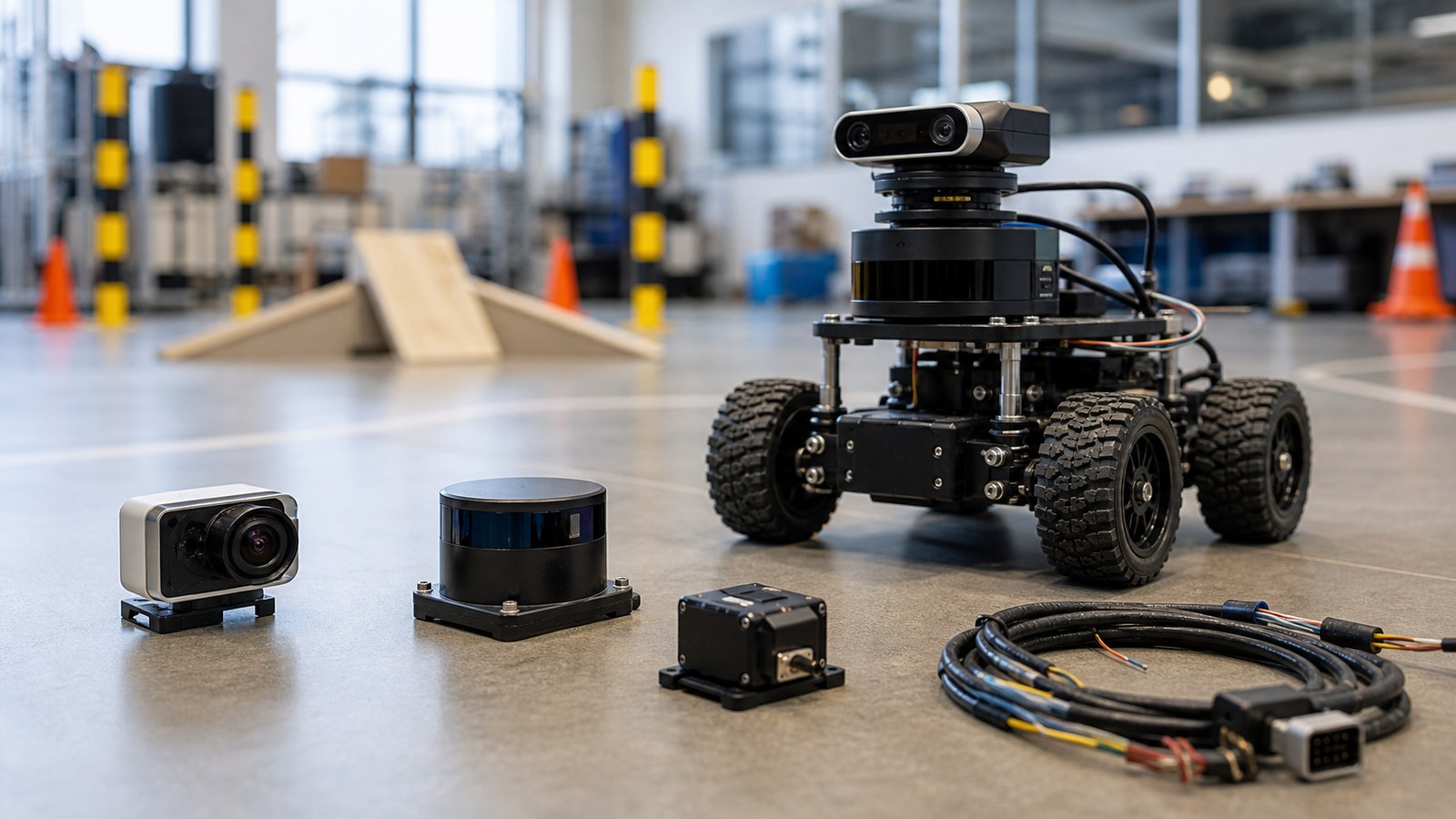
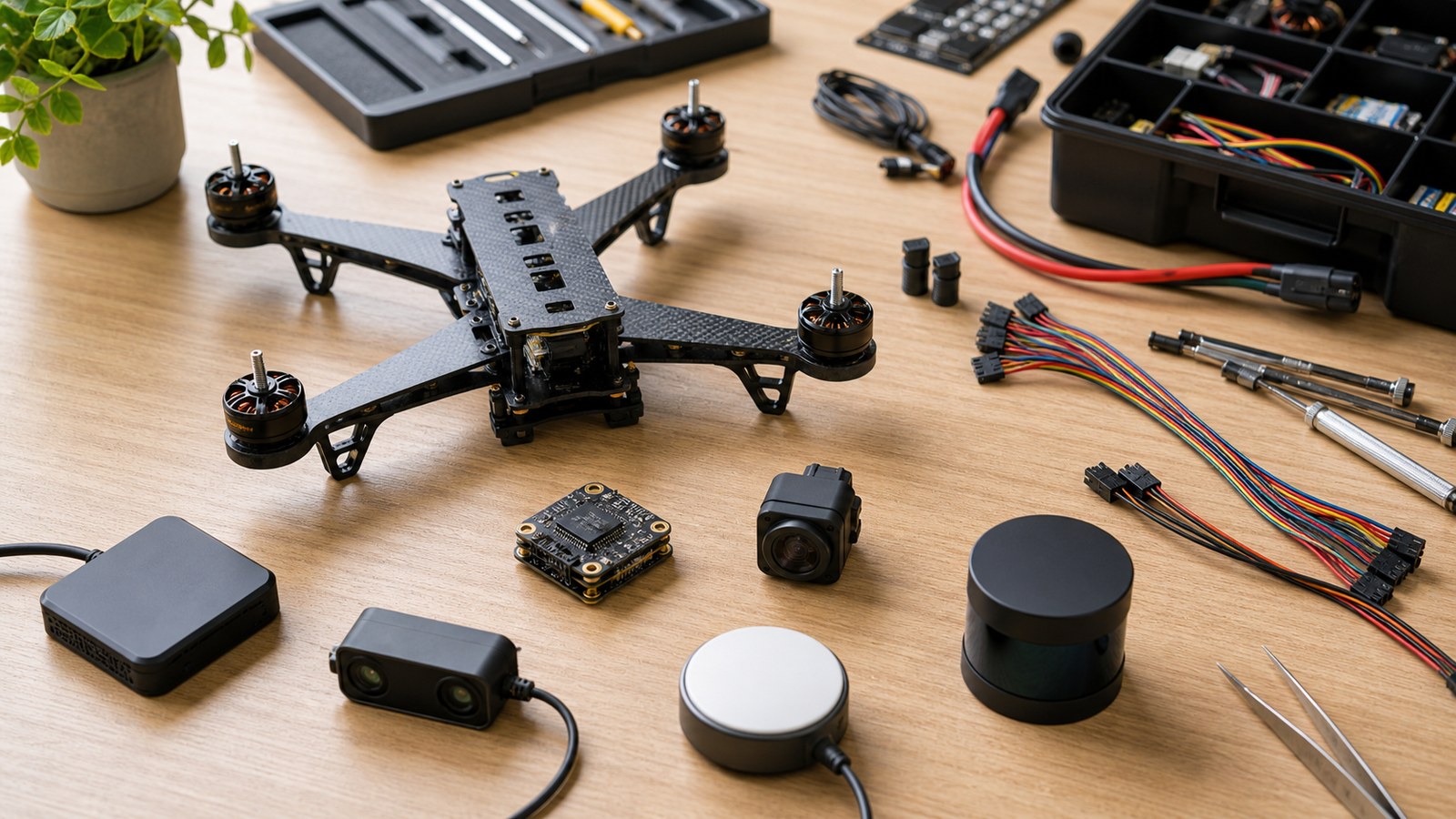
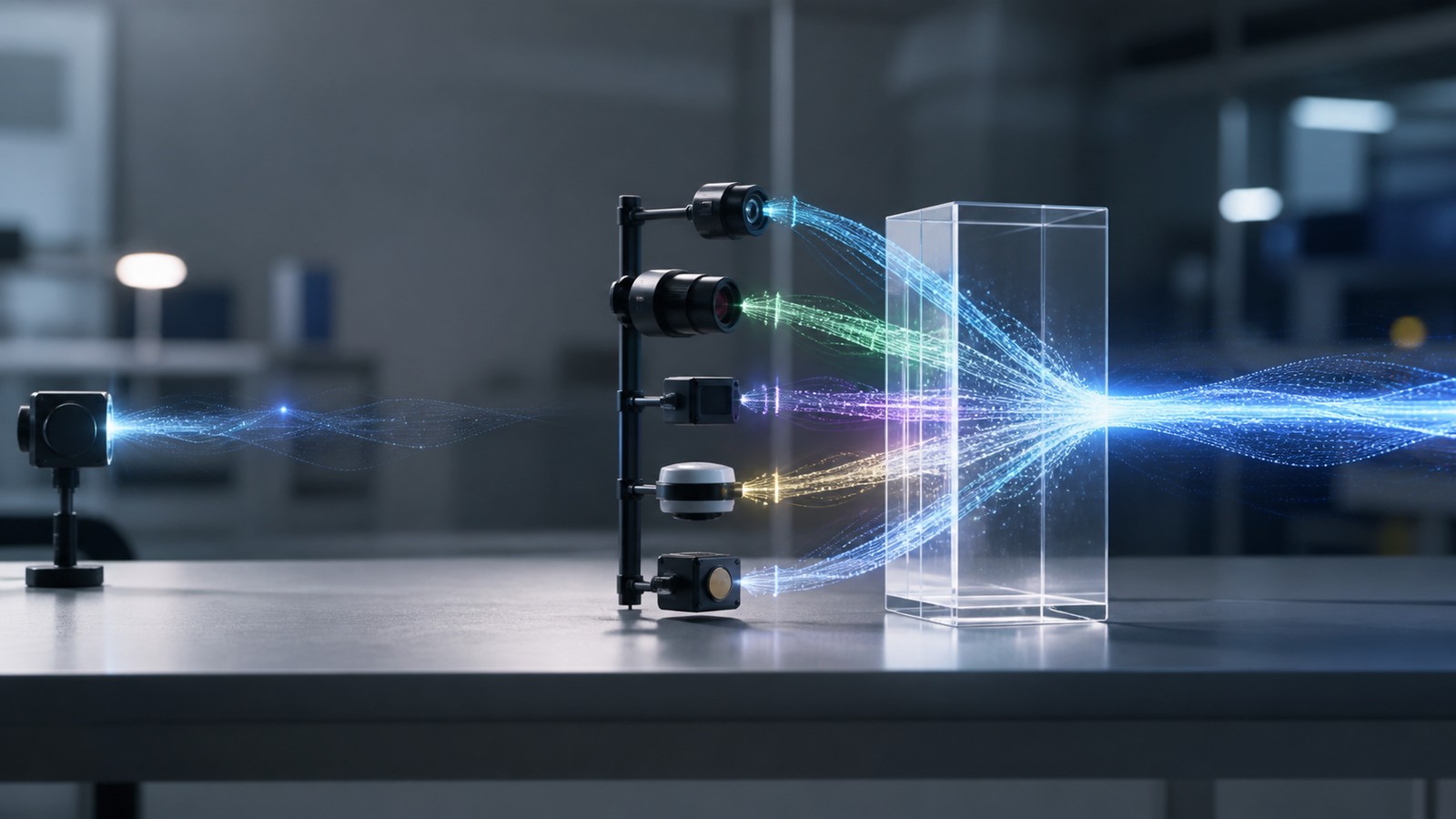
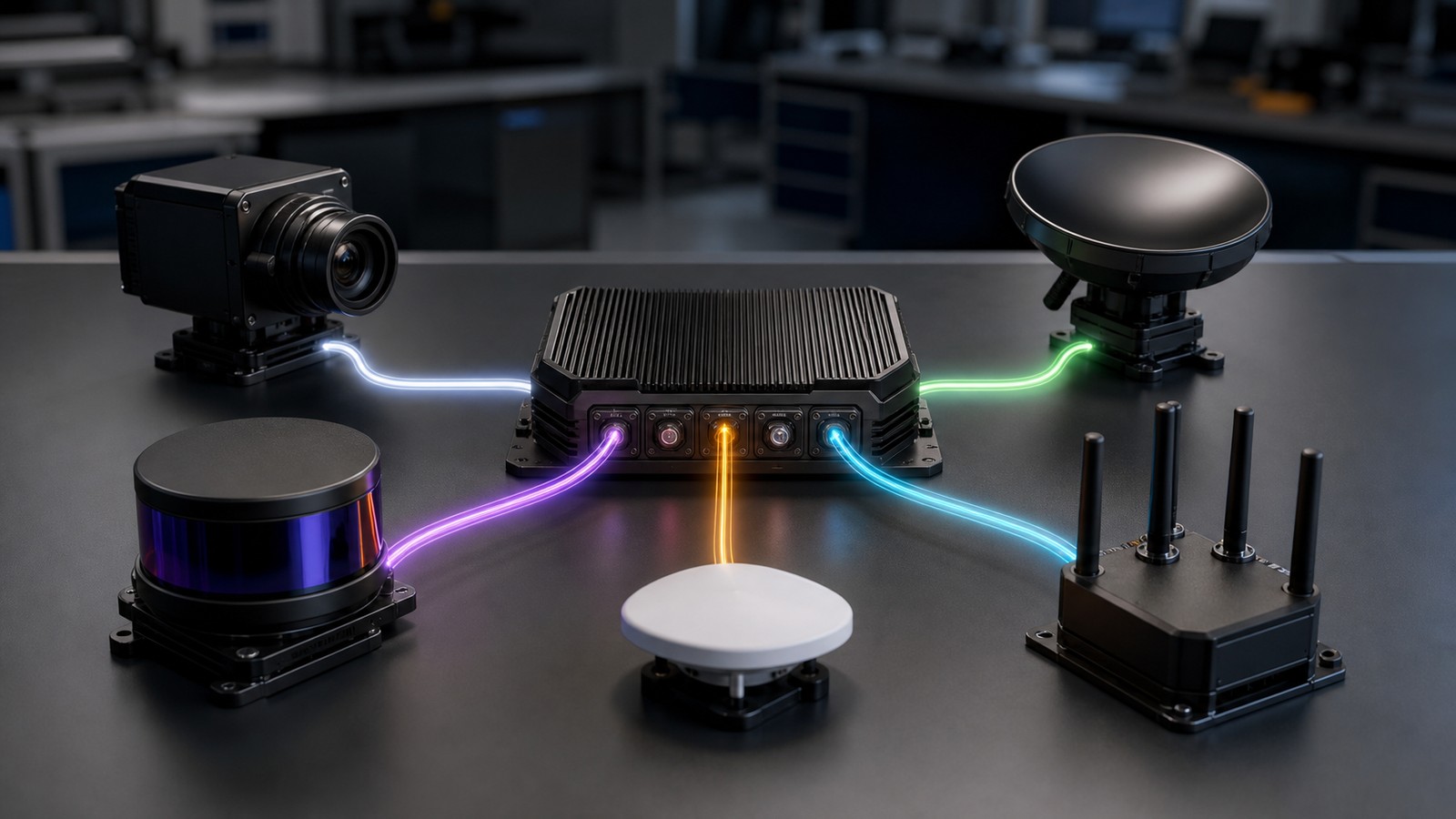
AI combines camera, radar, LiDAR, GPS, and wireless signals so machines can understand movement, distance, position, and surrounding conditions with more confidence. Each signal type has strengths and blind spots. Cameras capture visual detail, radar handles distance and motion, LiDAR maps shape, GPS supports location, and wireless signals add connection context. A strong system aligns these inputs carefully, checks uncertainty, and uses the combined evidence to support safer, faster, and more reliable decisions.
Cameras Add Visual Detail
Cameras help AI identify lanes, signs, objects, people, colors, labels, surfaces, and visual context. They are useful because they capture the kind of scene detail that people naturally recognize.
Their weakness is sensitivity to lighting, glare, weather, dirt, motion blur, and blocked views. A camera can be powerful, but it should not be the only signal in a high-stakes system.
Radar Adds Motion and Distance
Radar helps AI understand distance, speed, and movement even when visibility is difficult. It can work through darkness, fog, light rain, and some visual clutter better than a camera can.
Radar may provide less fine detail than vision or LiDAR, so the model often needs other signals to understand what an object is. Its strength is dependable motion evidence.
LiDAR Maps Shape and Space
LiDAR uses laser measurements to build a three-dimensional picture of nearby surfaces. It can help a machine understand depth, object shape, road edges, obstacles, and open space.
LiDAR can be affected by cost, weather, reflectivity, sensor placement, and data volume. The signal is valuable, but it needs calibration and practical deployment planning.
GPS Adds Location Context
GPS helps AI place a device in the wider world. It supports routing, mapping, geofencing, fleet tracking, and location-aware decisions.
GPS can drift or weaken near tall buildings, tunnels, indoor areas, tree cover, or interference. The system should know when location confidence is low and use other signals to support the decision.
Wireless Signals Add Network Clues
Wireless signals can show connection quality, device proximity, interference, handoff behavior, and communication conditions. They help AI understand whether a connected system can exchange data reliably.
This matters when a decision depends on connectivity. A device that sees the world clearly may still need a plan if the network is slow, congested, or temporarily unavailable.
Fusion Needs Time Alignment
The system must compare signals from the same moment. A camera frame, radar return, LiDAR scan, GPS update, and wireless reading may arrive at different speeds.
If timing is not managed, AI may combine evidence that describes different conditions. Time alignment keeps the fused decision tied to the real scene.
Calibration Keeps Space Consistent
Sensors must agree on where objects are. Calibration connects camera angles, radar positions, LiDAR coordinates, GPS location, and device orientation into a shared reference.
Small calibration errors can create big interpretation problems. The system may misjudge distance, lane position, object size, or motion if sensor geometry drifts.
Confidence Should Shift by Condition
A good fused system does not trust every signal equally all the time. Darkness, rain, glare, interference, and blocked sensors can change which input deserves more weight.
AI should adjust confidence when conditions change. That flexible confidence helps the system stay useful without pretending every sensor is equally reliable.
Disagreement Can Be Useful
When signals disagree, the conflict may reveal a weak sensor, a difficult scene, or a real ambiguity. The system should treat disagreement as evidence rather than simply averaging it away.
Useful conflict handling can lower confidence, request review, slow a device, or switch to a safer mode. That makes uncertainty visible instead of hidden.
Edge Processing Handles Urgency
Some fused decisions need to happen locally. A robot avoiding an obstacle, a vehicle tracking nearby motion, or a drone stabilizing flight cannot wait for a distant server.
Edge processing can combine essential signals near the device while sending summaries or selected events to the cloud for deeper review and learning.
Cloud Systems Support Learning
Cloud systems can compare events across many devices, store long histories, retrain models, and analyze patterns that one device cannot see alone.
The best architecture often splits the job. Local systems handle immediate perception, while cloud systems improve models, monitor fleets, and review unusual cases.
Fallback Modes Protect Users
A fused system should know what to do when one signal becomes unavailable. The response may be reduced speed, limited automation, extra alerting, or handoff to a human operator.
Fallback modes should be designed before deployment. Predictable behavior during sensor trouble is part of safety and reliability.
Data Volume Needs Control
Camera, radar, LiDAR, GPS, and wireless streams can create large amounts of data. Sending every raw signal everywhere may be expensive and unnecessary.
The system should decide what stays local, what gets summarized, and what is stored for later review. Data control keeps fusion practical.
Security Matters Across Sensors
Each signal path can become a security concern. Spoofed GPS, jammed wireless signals, tampered sensors, or altered calibration can affect the final AI output.
Security review should cover devices, updates, access control, logging, and anomaly detection. A fused system is only as trustworthy as its weakest important input.
Testing Needs Difficult Scenarios
Fusion should be tested in bright light, darkness, glare, rain, interference, blocked views, fast motion, and confusing object arrangements.
Clean examples are not enough. The value of fusion appears when conditions challenge one sensor and another signal helps keep the decision grounded.
What to Check Next
Teams should check whether each signal has a clear role. If a sensor does not improve timing, confidence, coverage, or safety, it may only add complexity.
They should also compare fused results with single-sensor baselines. Fusion should earn its place by improving real decisions, not just by adding more inputs.
Deployment Notes
Deployment should include calibration checks, sensor health monitoring, update control, failure handling, and clear records of which signals supported important outputs.
Operators need enough explanation to trust the system. A fused decision should not feel like a sealed box when conditions are uncertain.
Final Takeaway
AI combines camera, radar, LiDAR, GPS, and wireless signals to build a stronger view of the world. The strength comes from alignment, context, and disciplined uncertainty handling.
The best systems use each signal for what it does well, reveal confidence clearly, and keep fallback behavior ready when the evidence becomes weak.
Operations Need Clear Ownership
A multi-sensor system needs owners for calibration, model updates, hardware health, connectivity, and field support. If no one owns these pieces, failures can sit between teams.
Clear ownership helps operators respond faster when a camera is blocked, radar is noisy, GPS is weak, or wireless links are unstable.
Review Should Include Real Incidents
The best review examples often come from real incidents, near misses, and confusing field cases. These examples show how the fused system behaves outside clean demonstrations.
Teams should preserve enough evidence to understand what happened. Signal snapshots, confidence levels, timing, and operator notes can all improve the next model version.
Long-Term Value Comes From Learning
A fused system becomes more valuable when field experience improves future behavior. The cloud can review rare cases, the edge can receive better models, and operators can refine procedures.
This loop keeps the system from becoming stale. Sensor fusion should improve with evidence, not remain frozen after launch.
Sensor Placement Shapes Results
Placement affects what each sensor can see. A camera mounted too low, a radar unit aimed poorly, a LiDAR sensor blocked by dirt, or an antenna hidden behind metal can weaken the whole system.
Installation checks should be part of the AI workflow. The model can only combine the evidence it receives, so physical placement remains a practical engineering issue.
Maps Add Another Layer
Maps can help multi-sensor AI understand roads, zones, buildings, routes, and expected movement. A map gives the system a reference for what is likely to appear in a location.
Maps also become stale. Construction, temporary closures, indoor changes, or new equipment can make old map data misleading unless updates are managed.
Examples Help Debug Fusion
When a fused decision is wrong, teams need examples that show the raw signals and the final output together. These examples reveal whether the problem came from perception, timing, calibration, or decision logic.
Debug examples should include both ordinary and difficult scenes. A system that is only reviewed during clean conditions may hide weaknesses until users depend on it.
Model Size Affects Deployment
Combining several signals can require more computing power than a single-sensor model. The design may need efficient models, hardware acceleration, or split processing across edge and cloud systems.
The best model is not always the largest one. It is the model that meets timing, power, cost, and reliability needs in the actual deployment environment.
Human Interfaces Need Simplicity
Operators should not have to inspect five raw data streams during a stressful moment. The interface should summarize confidence, issue type, affected sensor, and recommended response clearly.
Detailed evidence should still be available for review. The everyday interface can stay simple while deeper tools support troubleshooting and audit.
Regulated Uses Need Records
Transportation, public safety, healthcare, and industrial systems may need records showing how important outputs were produced. Multi-sensor AI should preserve enough information to support review.
Those records can include model versions, calibration status, signal quality, confidence levels, and event snapshots. Good records turn fused decisions into inspectable evidence.
Updates Should Be Staged
Updating a fused system can change how sensors are weighted and how uncertainty is handled. A new model may improve one condition while weakening another.
Staged rollout helps catch that kind of change. Teams can compare old and new behavior before a full deployment reaches every device.
The Practical Test
The practical test is whether fusion improves decisions people care about. Better detection, fewer false alarms, smoother control, safer fallback behavior, or clearer review can all justify the added complexity.
If fusion only adds cost and opacity, the design should be simplified. The system should serve the decision, not the other way around.
Training Data Should Match the Field
A multi-sensor model should learn from the kinds of scenes it will actually face. Highway driving, warehouse robotics, indoor navigation, aerial mapping, and outdoor inspection all create different signal relationships.
If the training set is too narrow, the system may look strong in a demo and weak in deployment. Field examples help the model learn real occlusion, glare, signal dropouts, motion, and clutter.
Performance Metrics Need Balance
A fused system should be judged with more than one metric. Detection accuracy, false alarms, latency, localization error, fallback behavior, power use, and user trust can all matter.
The right balance depends on the application. A safety system may accept more caution, while a mapping system may prioritize detail and consistency.
Maintenance Keeps Fusion Reliable
Sensor fusion needs ongoing maintenance because hardware and environments change. Lenses get dirty, brackets loosen, firmware updates shift behavior, and networks evolve.
A maintenance plan should include inspection schedules, calibration checks, software version tracking, and clear response steps when signal quality drops.
Final Review Questions
Before launch, the team should ask whether the system can explain its confidence, identify weak sensors, and behave predictably when signals disagree. Those questions matter more than a polished demo.
After launch, the same questions should be repeated with field evidence. Real use shows whether the fused signals are improving decisions or only adding complexity. The review should stay tied to measurable outcomes.