Sensor Fusion Makes AI More Reliable
Sensor fusion matters because one signal rarely tells the whole story. A camera, microphone, radar, LiDAR unit, accelerometer, wireless receiver, or electrical sensor may capture one useful clue, but each signal also has blind spots. AI becomes stronger when it compares several signals and looks for agreement, conflict, and context. Sensor fusion can improve perception, monitoring, robotics, transportation, health technology, industrial systems, and smart infrastructure when the data is aligned carefully.
One Signal Has Blind Spots
Every sensor sees the world through limits. Cameras struggle in darkness or glare, microphones pick up background noise, GPS can drift, radar may be coarse, and electrical sensors may miss context.
A single signal can still be valuable, but it should not be treated as complete truth. Sensor fusion begins with knowing what each input is good at and where it can fail.
Fusion Combines Strengths
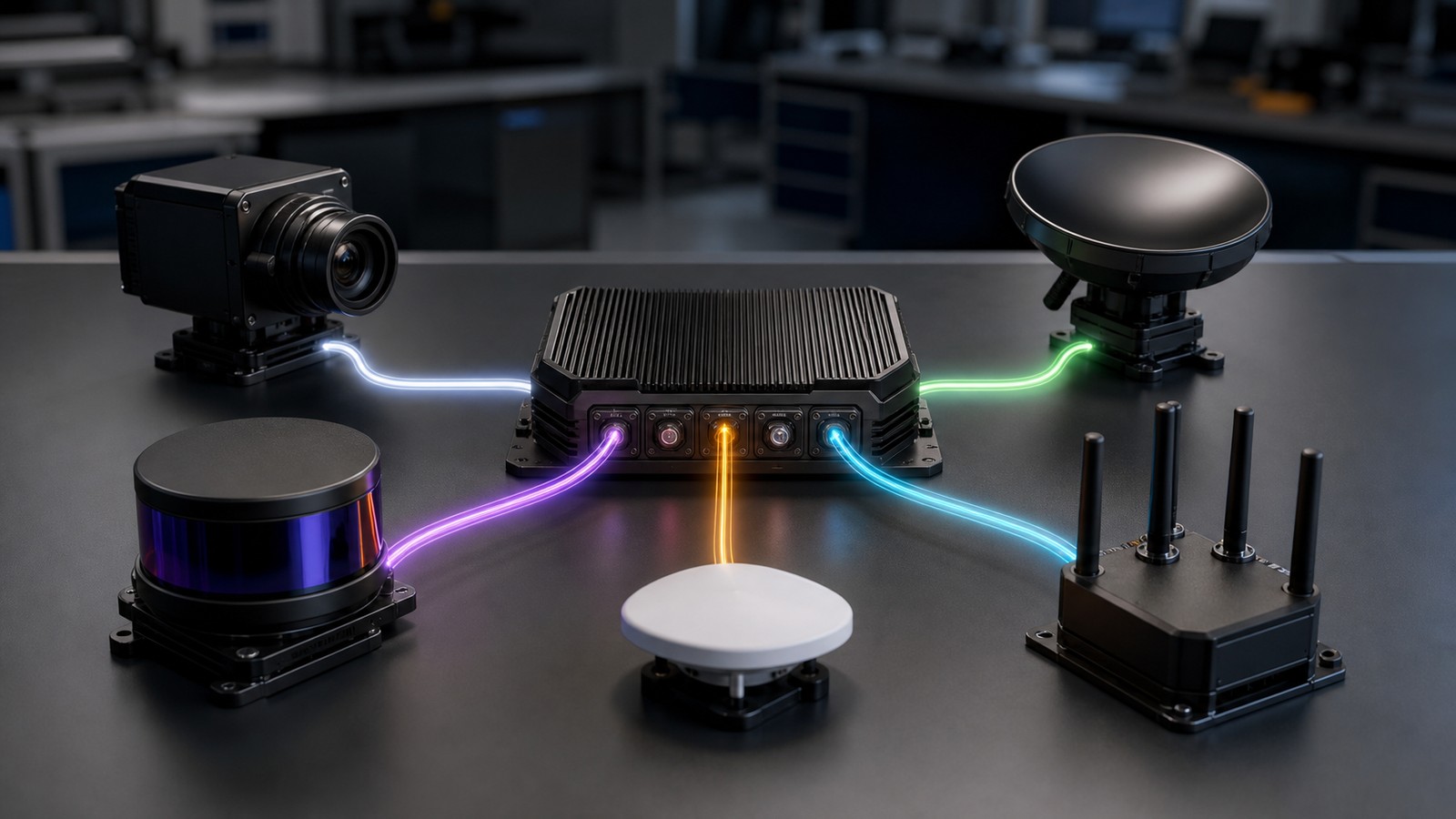
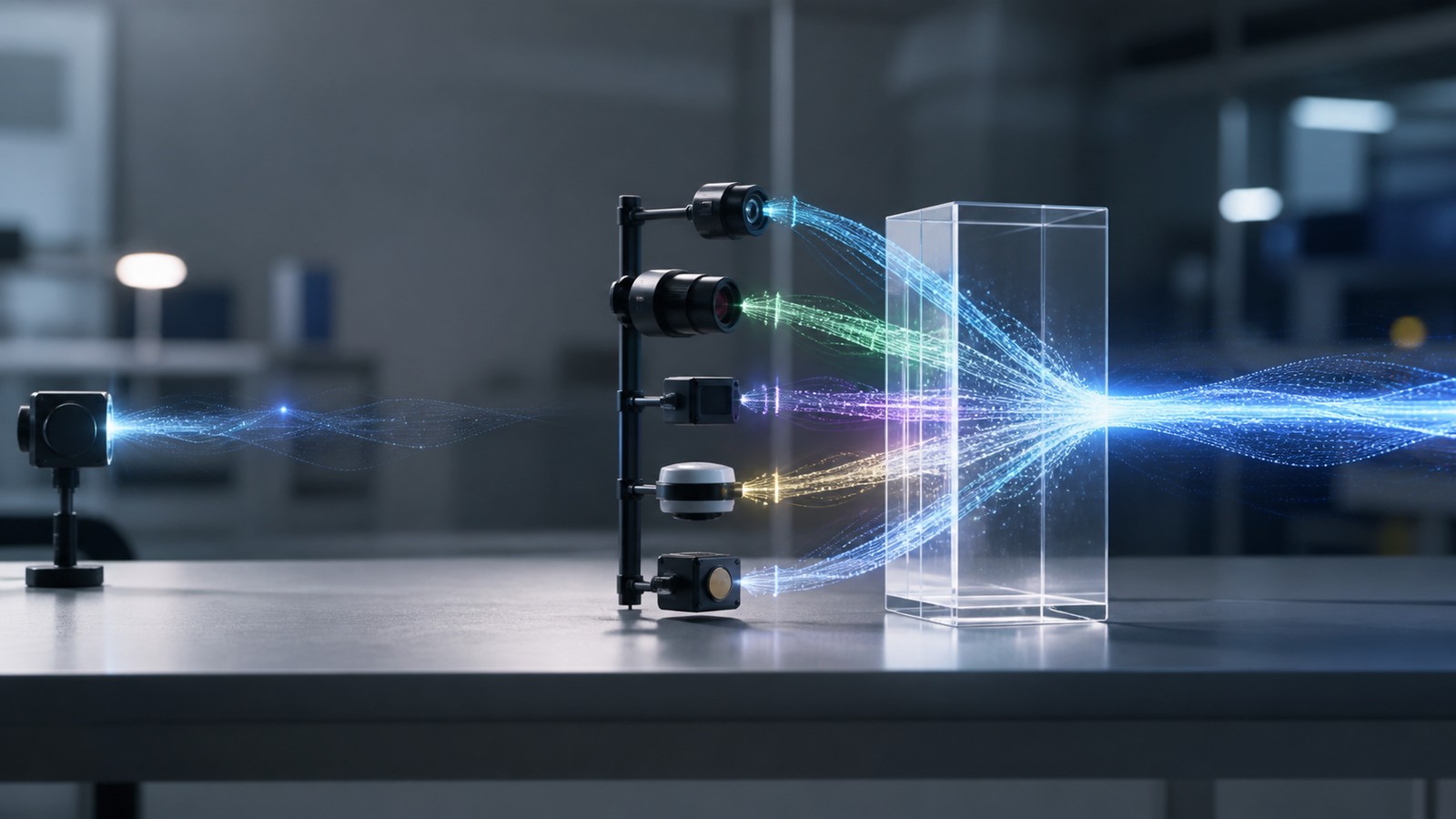
Sensor fusion combines signals so one sensor can support another. A vehicle may compare camera, radar, LiDAR, wheel speed, and map data. A factory may compare vibration, temperature, current draw, and acoustic readings.
The result is often more reliable than any single stream. Agreement can raise confidence, while disagreement can warn that a sensor is blocked, noisy, or seeing only part of the situation.
Time Alignment Is Critical
Signals must be aligned in time before they can be compared. If a camera frame, radar return, and motion reading describe different moments, the model may connect evidence that does not belong together.
Time stamps, buffering, synchronization, and latency control are practical foundations of fusion. Without them, even accurate sensors can create misleading combined outputs.
Location Alignment Matters
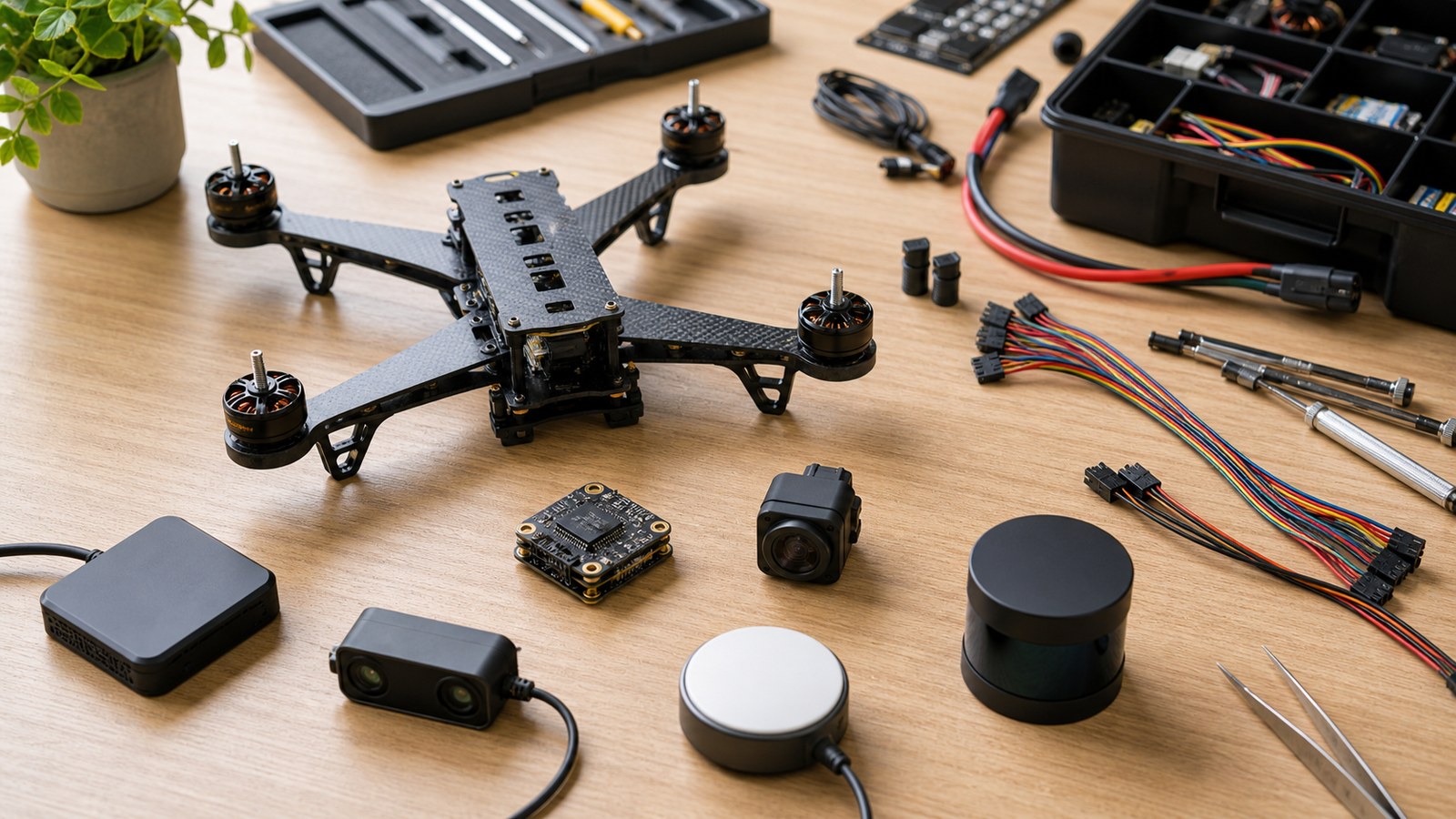
Sensors also need spatial alignment. A camera, LiDAR unit, antenna, and inertial sensor may each describe the same environment from a different angle or coordinate system.
Calibration maps those views together. When calibration drifts, the model may misjudge position, distance, direction, or object relationships even if each individual sensor is working.
Noise Can Be Cross-Checked
Sensor fusion helps manage noise because unrelated sensors may fail in different ways. A visual shadow, radio reflection, or vibration spike may look suspicious alone but less convincing when other signals disagree.
Cross-checking does not remove the need for filtering. It gives the model more evidence to decide whether a pattern is real, uncertain, or likely caused by measurement trouble.
Confidence Should Change
A fused system should adjust confidence as conditions change. If one sensor becomes unreliable, the model may lean more on other signals or reduce automation.
This dynamic confidence is useful in real environments. Rain, dust, motion, crowding, interference, and hardware wear can all change which sensor deserves the most trust.
Early Fusion Uses Raw Data
Early fusion combines signals near the raw-data stage. This can help the model learn detailed relationships between inputs, but it may require careful alignment and more computing power.
Early fusion is useful when low-level patterns across sensors matter. It can also be fragile if one sensor is missing or the data streams are not synchronized well.
Late Fusion Combines Decisions
Late fusion lets separate models interpret each signal first, then combines their outputs. This can make the system easier to inspect because each sensor path has its own result.
Late fusion may be more flexible when sensors fail or change. The tradeoff is that some detailed relationships between raw signals may be lost before the final decision.
Hybrid Fusion Balances Both
Many systems use hybrid fusion. Some signals are combined early, while others are interpreted separately and merged later. This gives teams more control over complexity, timing, and reliability.
Hybrid designs should be documented clearly. Users need to know which signals drive the final output and what happens when one stream becomes weak or unavailable.
Fusion Supports Robotics
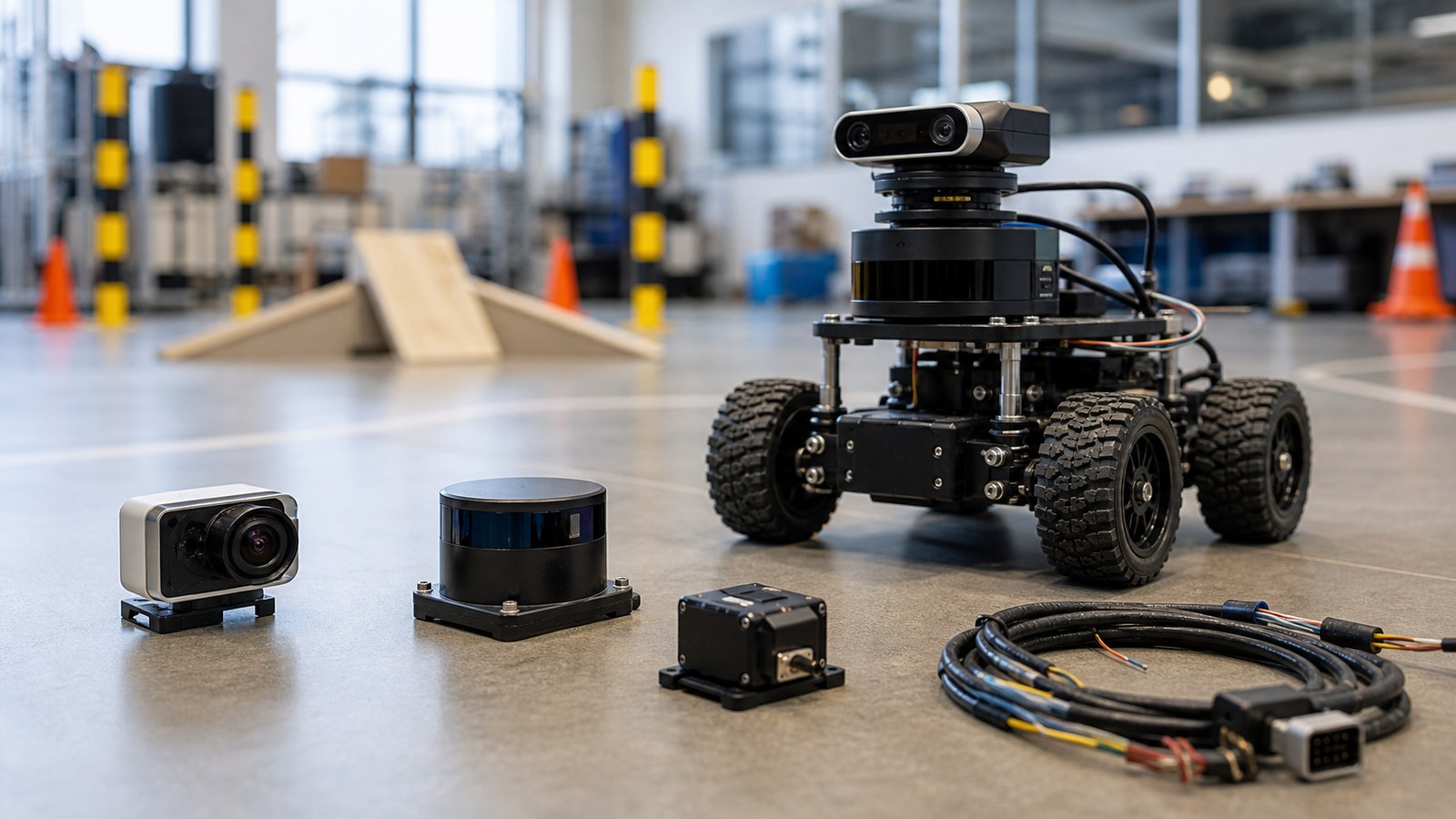
Robots use sensor fusion to understand position, movement, obstacles, force, and task progress. A robot may need cameras for recognition, encoders for joint movement, force sensors for contact, and IMUs for motion.
Fusion helps the robot act with more confidence, but it also raises safety requirements. The system should respond cautiously when signals disagree or the environment falls outside tested conditions.
Fusion Supports Vehicles
Vehicles use sensor fusion for perception, navigation, driver assistance, and safety monitoring. Different sensors perform better in different weather, lighting, distance, and traffic conditions.
A strong vehicle system does not assume one sensor always wins. It weighs evidence based on conditions and keeps fallback behavior ready when confidence drops.
Fusion Supports Health Systems
Health and wearable systems can combine heart signals, motion, breathing, temperature, sleep, and activity data. This can help distinguish exercise, rest, stress, illness, and device artifacts.
The system must be careful because body signals are personal and context-dependent. Fusion can improve insight, but it can also create overconfident inferences if privacy and validation are weak.
Fusion Supports Industry
Industrial systems can combine vibration, current, temperature, pressure, acoustics, and production data. This helps AI detect equipment stress earlier than a single sensor might.
The value comes from connecting signals with maintenance outcomes. A fused alert should help a team inspect the right machine, understand the likely issue, and decide whether action is urgent.
Missing Sensors Need Plans
Real systems should expect missing data. A sensor may fail, lose power, disconnect, drift, or be taken offline for maintenance.
Fusion logic should define how the model behaves when a stream is missing. It may lower confidence, switch to a fallback mode, send an alert, or pause automation depending on the consequence.
Evaluation Must Test Conflicts
Sensor fusion should be tested with disagreement cases, not only clean examples. The system needs to show what it does when one sensor is wrong, late, noisy, or blocked.
Conflict testing reveals whether the model understands uncertainty. A fused system that always sounds confident can be more dangerous than a single-sensor system that admits its limits.
What to Check Next
Teams should check alignment, calibration, latency, missing-data behavior, and confidence rules before trusting a fused system. These details often matter as much as model architecture.
They should also compare fused performance against single-sensor baselines. Fusion should earn its complexity by improving reliability, timing, or decision quality.
Deployment Notes
Deployment should include sensor health monitoring, recalibration schedules, update control, and fallback plans. A fused system depends on several moving parts, so operations need to be disciplined.
Users should be able to inspect which signals contributed to important outputs. This makes troubleshooting easier and helps the team improve weak parts of the system.
Final Takeaway
Sensor fusion matters because real-world signals are incomplete. Combining multiple inputs can help AI see more clearly, respond more reliably, and handle uncertainty with more discipline.
The strongest fusion systems align time and location, manage confidence, test sensor conflicts, and keep human review available where consequences are high.
Calibration Keeps Sensors in Agreement
Calibration makes sure sensors describe the same world in compatible ways. A camera, LiDAR unit, radar, IMU, or electrical sensor may be accurate by itself while still misaligned with the rest of the system.
Fusion quality depends on that shared frame. If calibration drifts, the model may see disagreement where none exists or miss a real conflict between signals.
Latency Can Break Fusion
Different sensors often report at different speeds. A camera frame, radar return, GPS position, and inertial reading may arrive at different times, especially when processing load changes.
Fusion logic should account for those delays. A system that combines stale data with fresh data may create an output that looks confident but describes no real moment.
Redundancy Improves Resilience
Redundancy is one reason fusion is valuable. If one sensor becomes weak, another may still provide enough evidence to keep the system useful or move it into a safe fallback mode.
Redundancy should be designed intentionally. Two sensors that fail in the same condition may not provide much protection, while different sensor types can cover each other's weaknesses.
Conflict Handling Is a Core Feature
A fused system should expect disagreement. Sensors can conflict because of noise, occlusion, reflection, placement, timing, or real ambiguity in the environment.
The model should not smooth away every conflict. Sometimes disagreement is the most important signal because it shows uncertainty, failure, or a condition that needs human review.
Explainability Helps Operators Trust Fusion
Fusion outputs can be harder to understand than single-sensor outputs because several inputs influence the final decision. Operators need a clear view of which signals contributed and how confident the system was.
That visibility makes troubleshooting faster. If an alert came mostly from vibration and temperature, the response may differ from an alert driven by current draw and sound.
Cost Must Be Justified
Adding sensors increases hardware, installation, maintenance, processing, and security costs. Fusion should be used because it improves the decision, not because more data sounds impressive.
A good comparison includes single-sensor baselines. If fusion does not improve reliability, coverage, timing, or safety enough to justify complexity, a simpler design may be better.
Field Testing Completes the Design
Fusion systems need field testing because real environments create combinations that lab data may not include. Weather, lighting, vibration, user behavior, interference, and hardware wear can all affect multiple sensors at once.
Field testing should include ordinary use and difficult cases. The goal is to learn when fusion improves confidence and when it needs to step back, alert, or ask for review.
How Fusion Models Should Be Monitored
Fusion models should be monitored by sensor path as well as final output. If the final score changes, teams need to know whether the shift came from one weak sensor, a timing problem, calibration drift, or a real environmental change.
This kind of monitoring helps prevent quiet failure. A fused system can sometimes hide a degraded sensor because other inputs keep the output running, so health checks need to watch each stream directly.
Why Fallback Modes Matter
Fallback modes tell the system what to do when fusion becomes unreliable. A robot may slow down, a vehicle may hand control back, an industrial system may alert maintenance, and a monitoring tool may ask for human review.
Fallback planning should be designed before deployment. If the response is invented during a failure, users may face confusion at the exact moment they need predictable behavior.
How Data Governance Applies to Fusion
Sensor fusion can combine signals that seem harmless alone but become sensitive together. Location, audio, motion, images, wireless behavior, and device activity may reveal more when analyzed as a group.
Data governance should define collection purpose, retention, access, masking, and review. Fusion increases insight, so it also increases the need for clear boundaries.
How to Improve Fusion Over Time
Fusion systems improve when field results are fed back into design. Cases where signals agreed, conflicted, failed, or surprised operators are valuable training material.
Teams should review those cases regularly and update calibration, thresholds, model versions, or sensor placement when evidence shows a weakness. The best fusion systems become more reliable because operations and modeling improve together.
Final Review for Fusion Projects
A final review should ask whether fusion made the decision better enough to justify the added complexity. The answer should be based on reliability, timing, safety, coverage, and user trust.
If the fused system is harder to inspect than the problem requires, a simpler approach may be better. If it handles uncertainty clearly and improves outcomes, the added complexity has earned its place. That standard keeps fusion practical and keeps teams focused on the decision, not the novelty of extra sensors.